High-Precision Automotive Parts Molding: Engineering the Future of Vehicle Components
In the modern automotive industry, the demand for precision, durability, and lightweight materials has never been higher. Whether for high-speed performance cars or heavy-duty logistics vehicles, the quality of components relies heavily on advanced manufacturing techniques. Automotive parts molding stands at the heart of this evolution, transforming raw polymers into the essential building blocks of modern transportation.
At its core, automotive parts molding is a sophisticated engineering process that shapes plastic materials into specific, high-tolerance vehicle components. By using highly durable steel tools, manufacturers can produce thousands of identical parts with extreme consistency. This process is essential for creating high-performance, cost-effective, and aesthetically pleasing automotive products.
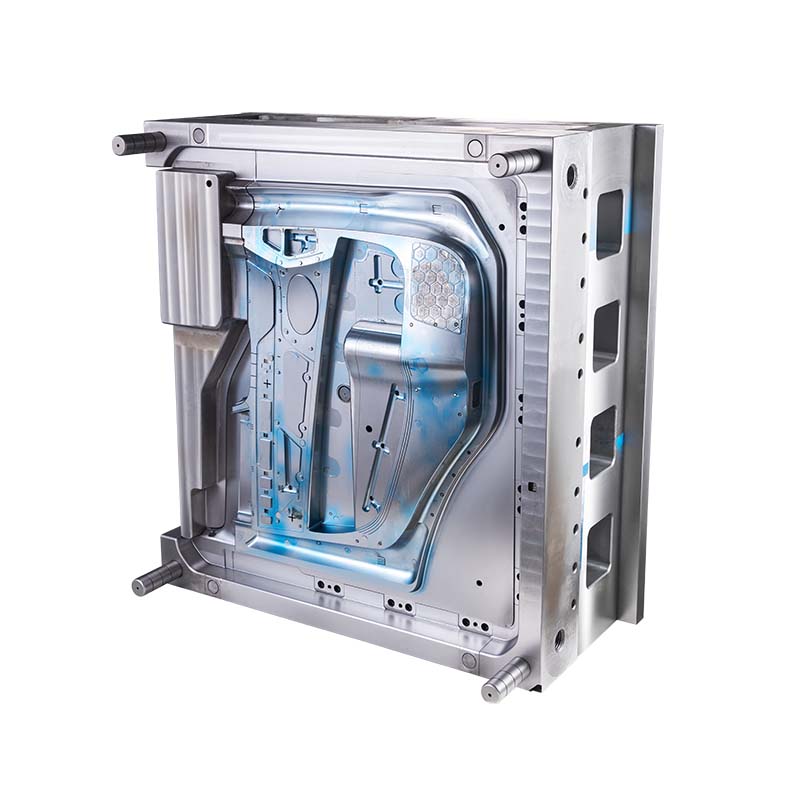
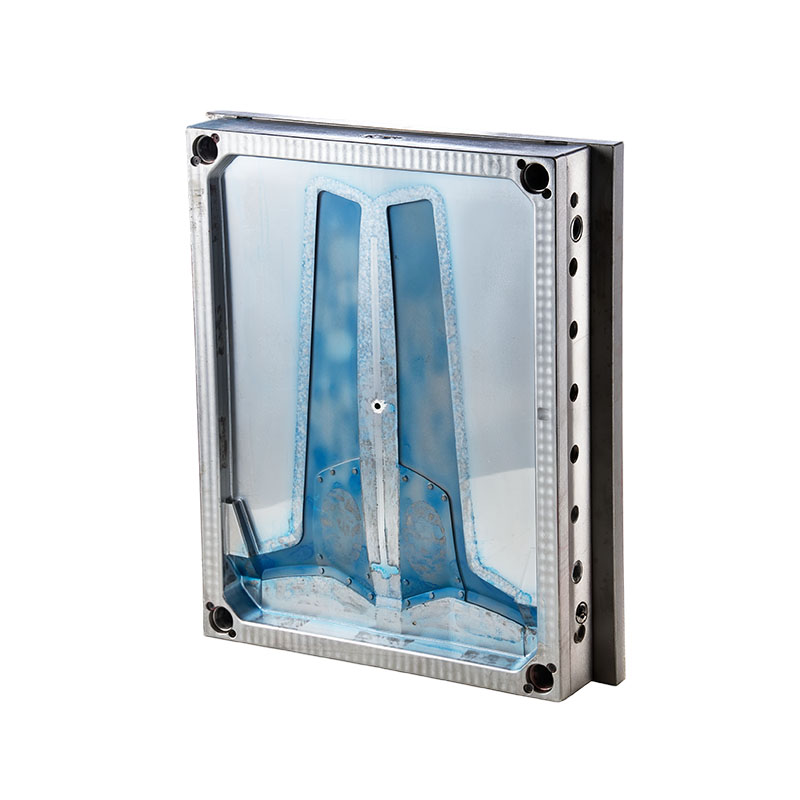
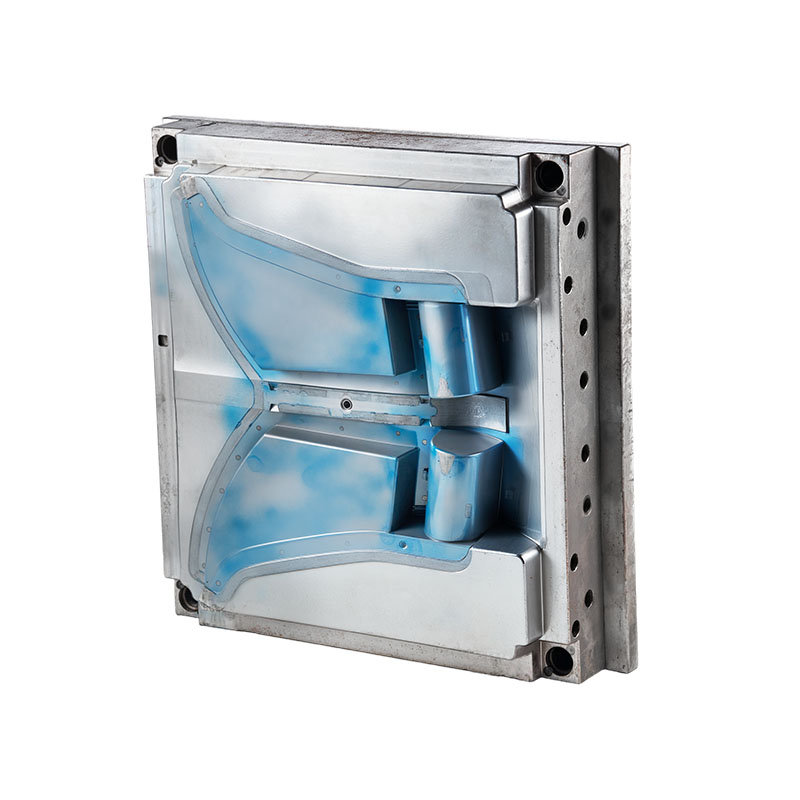
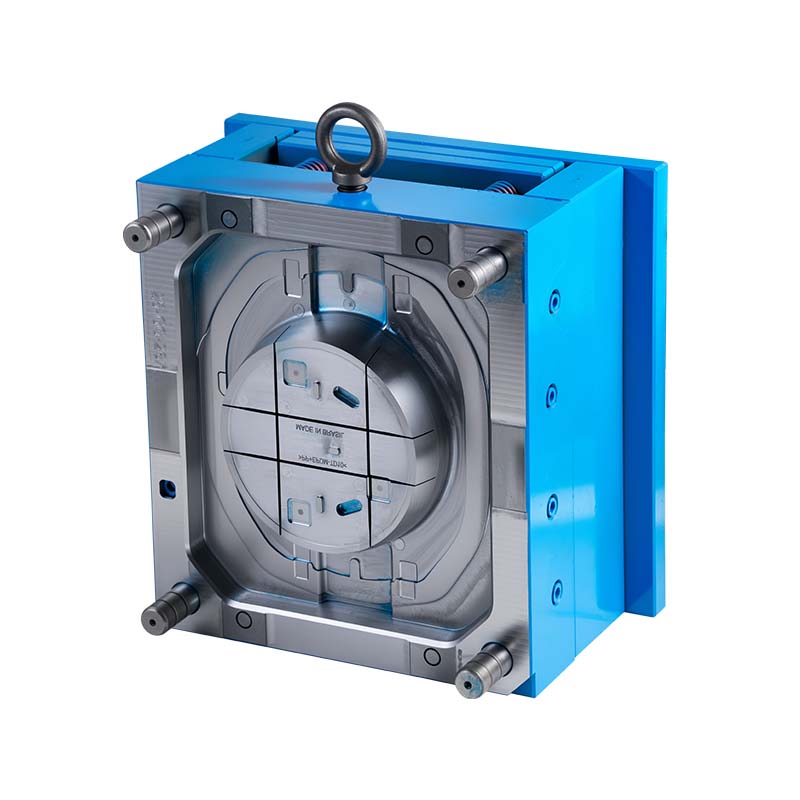
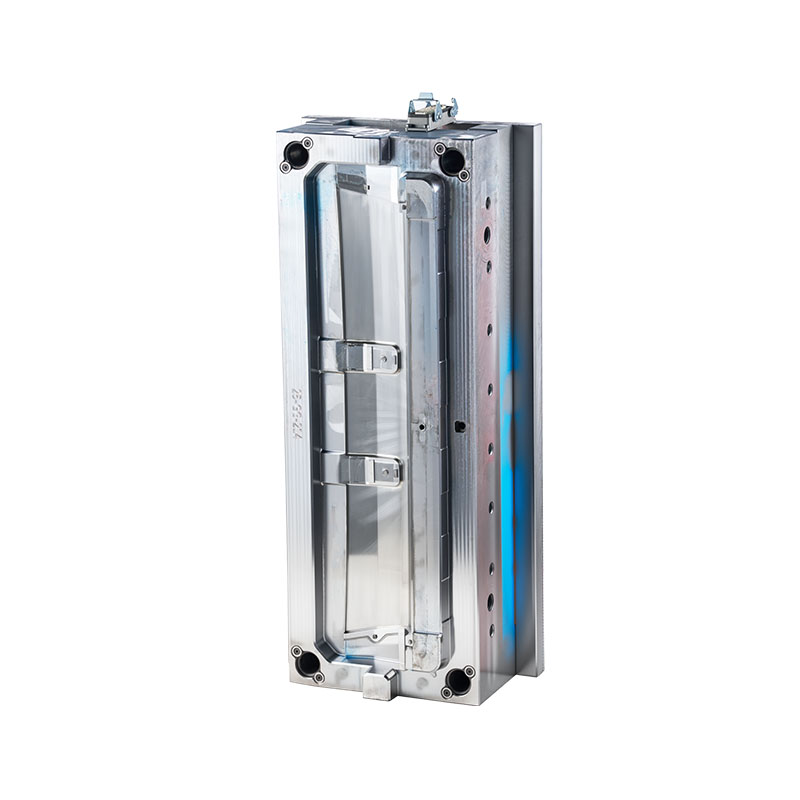
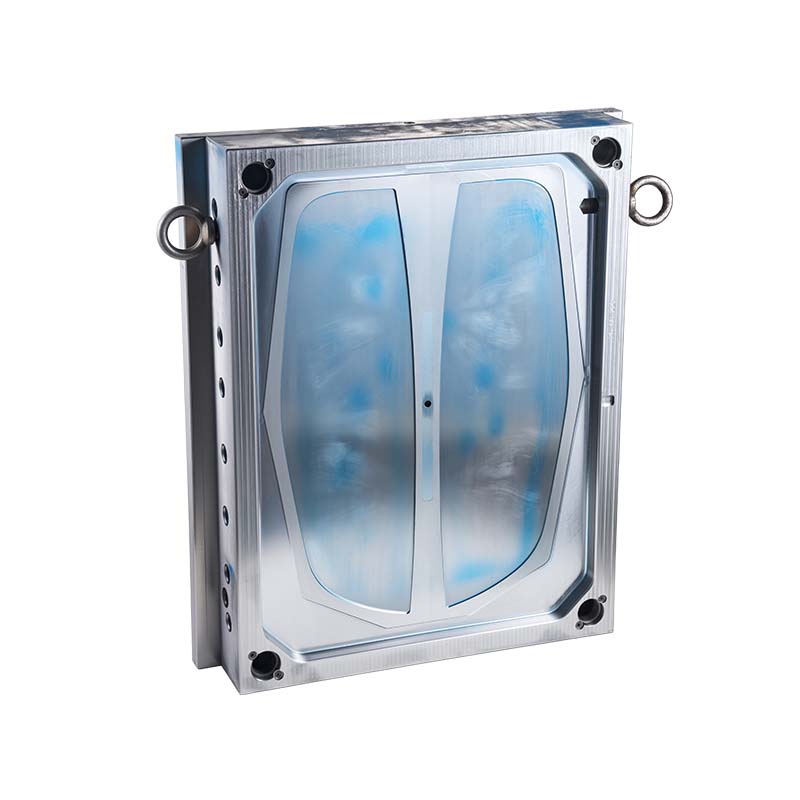
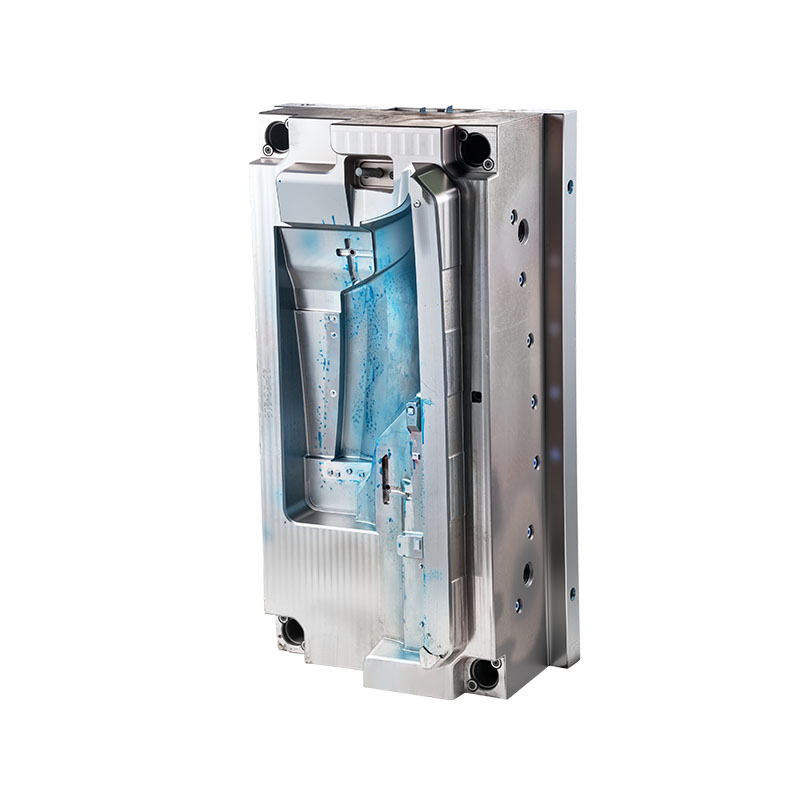
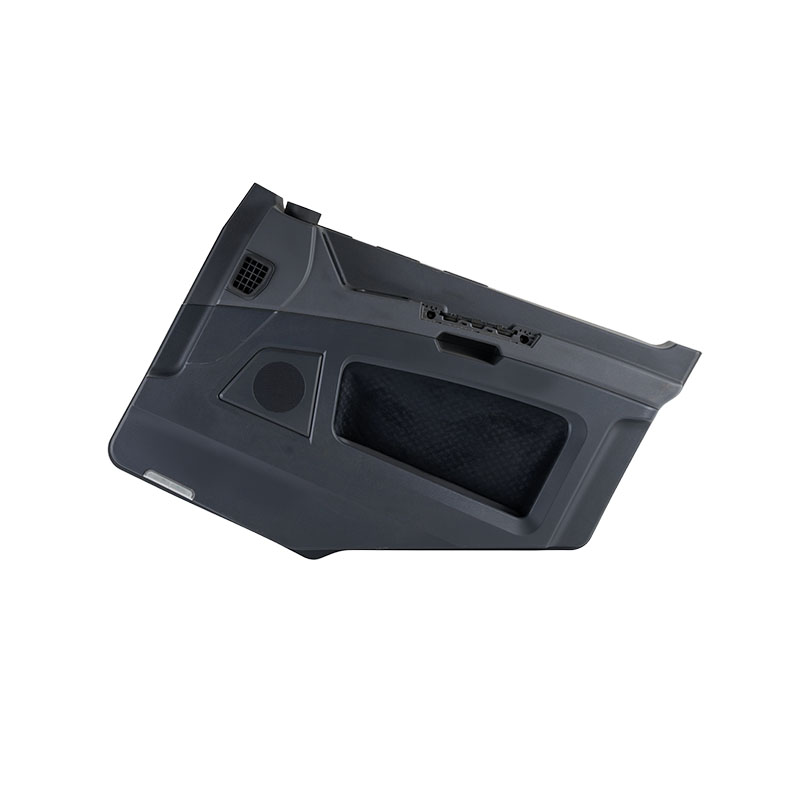
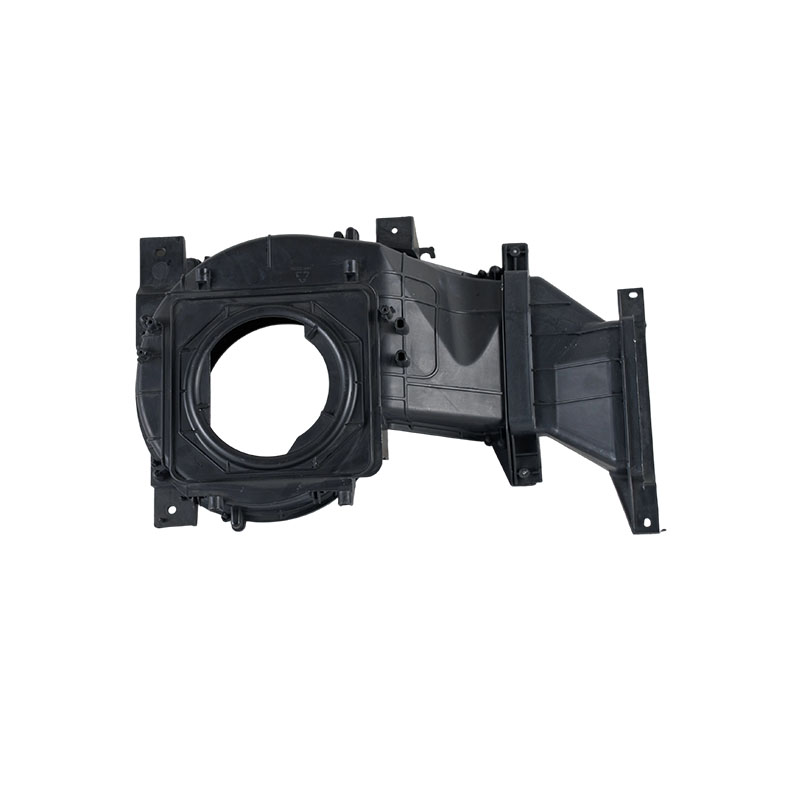
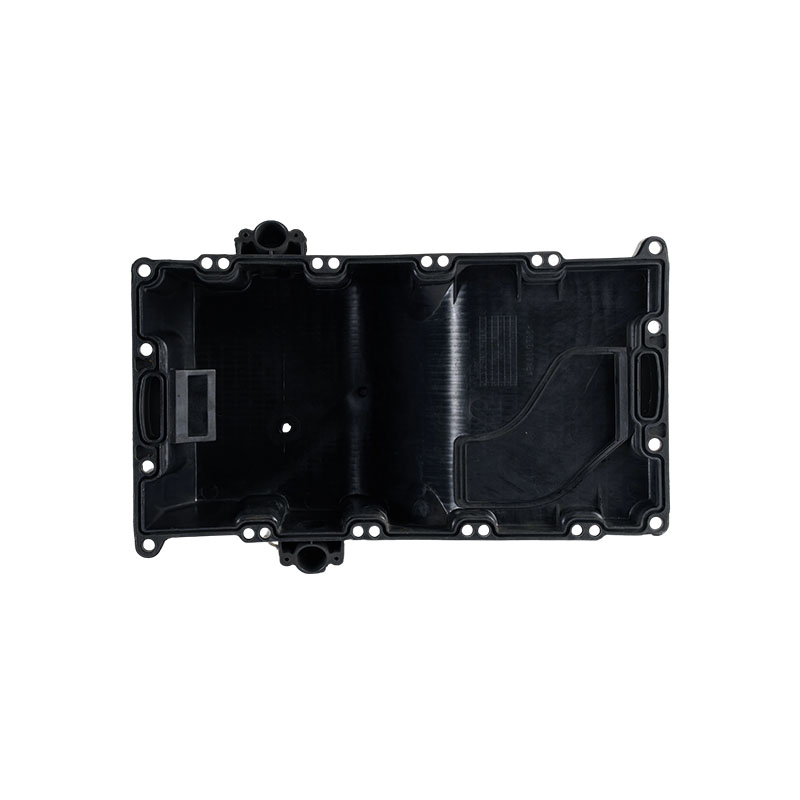
The industry relies heavily on custom auto parts molds to ensure that each component meets strict safety and performance standards. From dashboard assemblies and interior trims to structural under-the-hood components, the precision of these molds directly determines the success of the final assembly.
The Automotive Plastic Parts Manufacturing Process
The automotive plastic parts manufacturing process is a multi-stage engineering cycle designed to maximize efficiency and structural integrity. It generally follows these critical phases:
Design and Simulation: Engineers use CAD/CAM software to design the component, often running mold flow simulations to predict potential defects before steel is ever cut.
Tooling/Mold Creation: The creation of the auto parts molds is the most crucial step. High-grade, hardened steel is machined to exact tolerances.
Injection Molding: Molten plastic is injected into the mold cavity under high pressure, followed by a cooling phase to solidify the shape.
Finishing and Quality Control: Parts are trimmed, inspected, and tested to ensure they meet the specific requirements for vehicle stress and environmental exposure.
Specialized Applications: From Heavy Trucks to Small Components
Manufacturing versatility is key. The industry segment splits into specialized categories to meet different market needs:
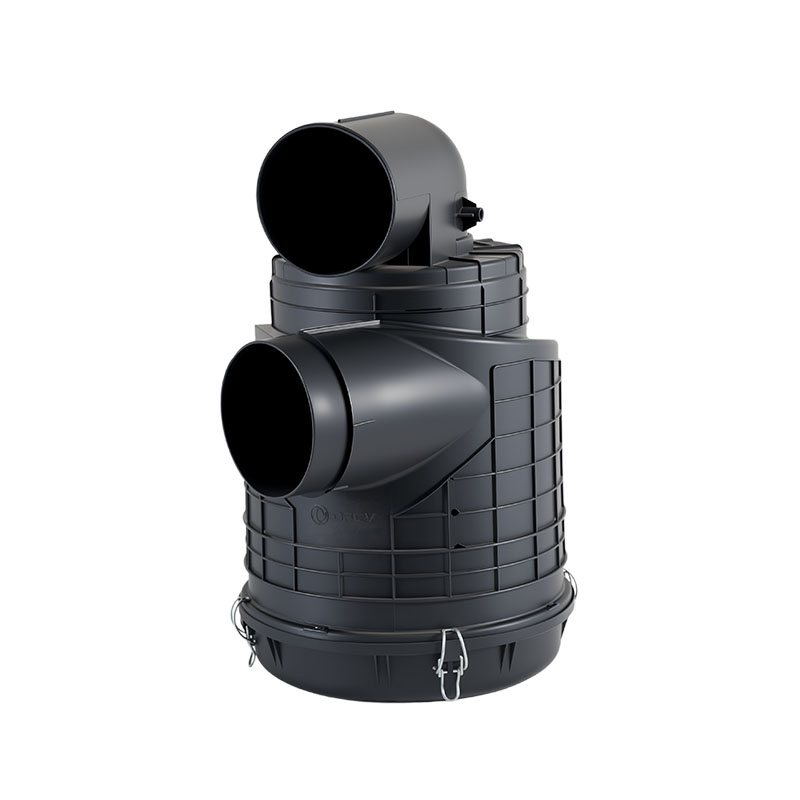
Heavy-Duty and Large Components: Manufacturers specializing in a truck body parts mould must account for the scale and durability requirements of commercial vehicles. These large-scale molds require robust cooling channels and heavy-duty ejection systems to handle large surface areas while preventing warpage.
Diverse Vehicle Requirements: When sourcing a cars truck parts mold, suppliers must consider the specific material properties needed for exterior versus interior parts. Exterior parts require UV resistance and impact durability, while interior parts prioritize tactile feel and aesthetic finish.
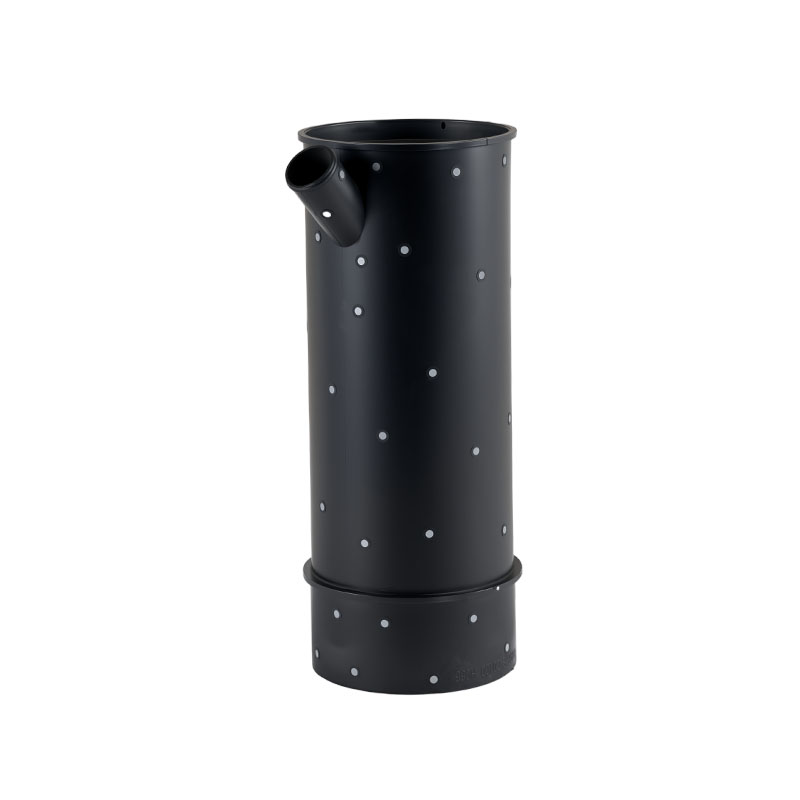
Precision and Miniaturization: The demand for injection molding small parts is rapidly increasing due to the rise of advanced sensors, connectors, and electronic housings in modern vehicles. Producing these components requires micro-molding technology, where precision is measured in microns rather than millimeters. Whether you are dealing with injection molding small parts for an infotainment system or a complex engine sensor, the technology ensures high repeatability at low cost.
Comparison: Injection Molding vs. Alternative Methods
When evaluating production strategies, it is helpful to contrast injection molding with traditional manufacturing methods like 3D printing or metal machining.
| Feature |
Injection Molding |
3D Printing |
Metal Machining |
| Production Speed |
Very High (Mass Production) |
Low (Prototyping) |
Moderate |
| Material Strength |
High (Thermoplastics) |
Moderate |
Very High |
| Cost Per Part |
Very Low (after setup) |
High |
High |
| Surface Finish |
Excellent (Ready to use) |
Requires Post-processing |
Good |
As shown, while 3D printing is excellent for rapid prototyping, injection molding remains the undisputed king of large-scale automotive production. It offers the best balance of speed, cost-efficiency, and structural performance.
Selecting the right manufacturing partner is vital for any automotive project. Whether you are developing a new line of commercial vehicles requiring a truck body parts mould or looking to refine your cars truck parts mold strategy for production efficiency, understanding the nuances of the molding process is your first step toward success. By leveraging modern injection molding technology, manufacturers can ensure that every part—from the largest body panel to the smallest internal connector—is built to last.

 English
 中文简体
中文简体 русский
 عربى
عربى