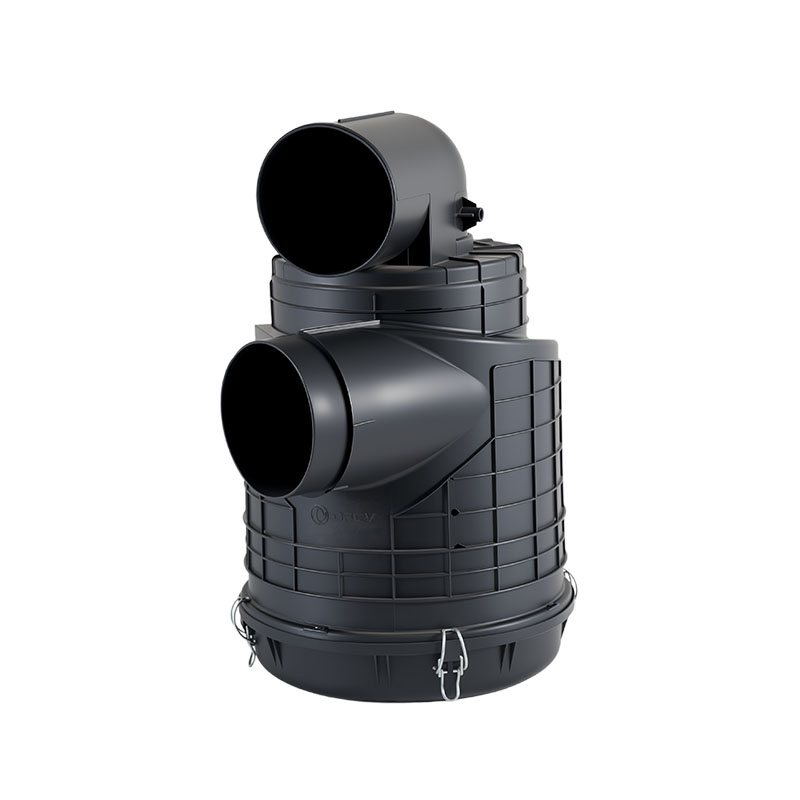
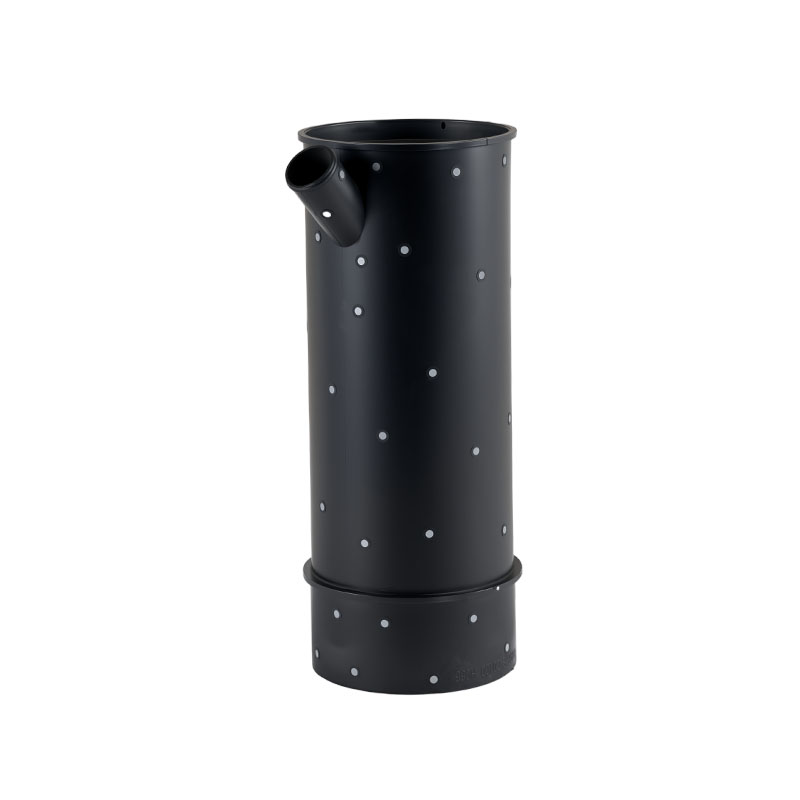
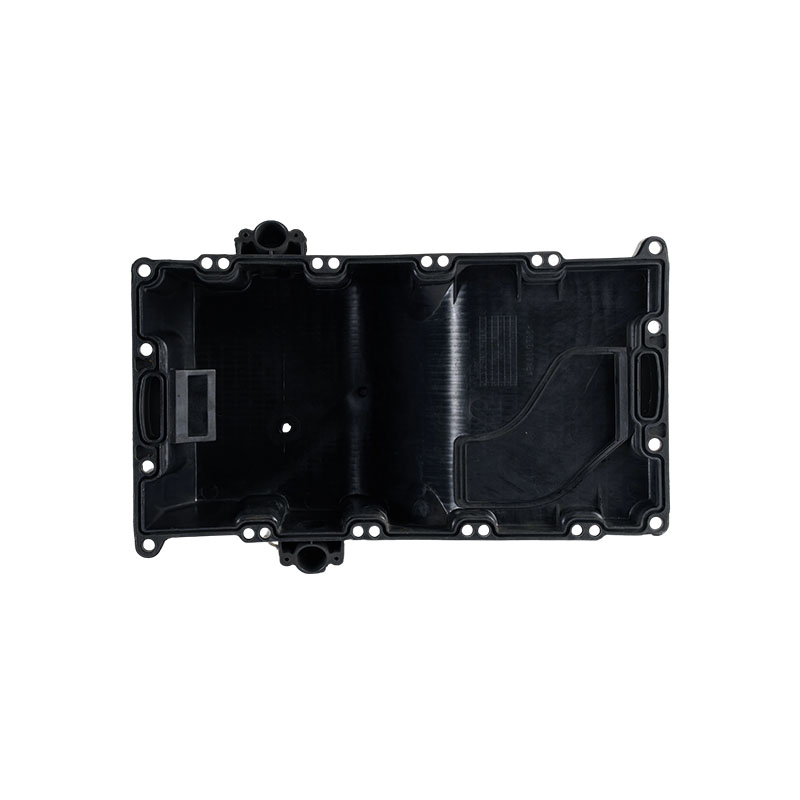
Injection Plastic Truck Moulds & Auto Parts Mould: The Complete Industry Knowledge Guide
What Is an Injection Plastic Truck Tool Box Mould?
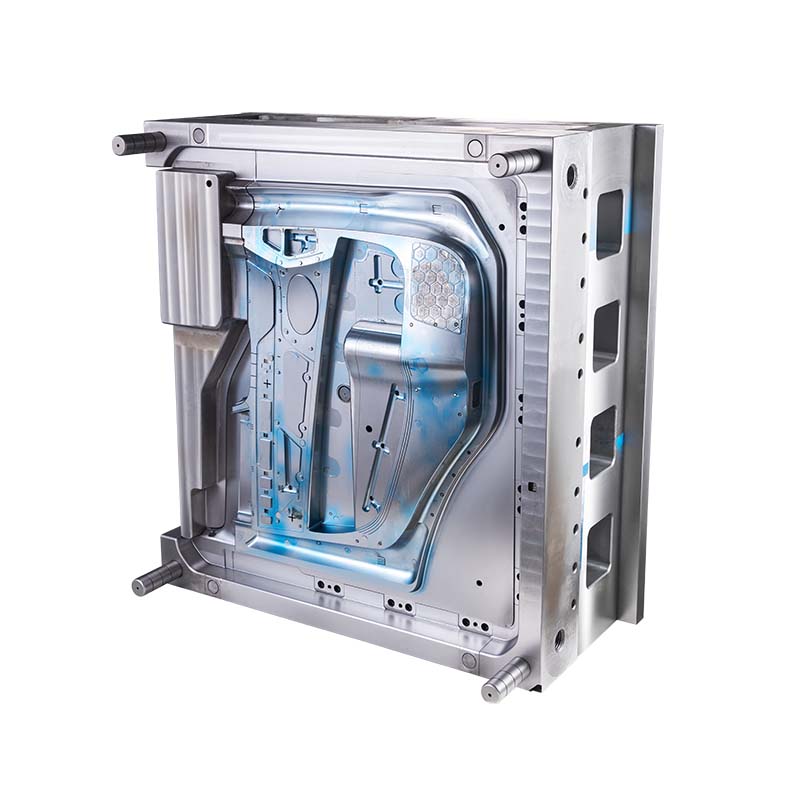
An injection plastic truck tool box mould is a heavy-duty injection moulding tool engineered to produce storage compartments and utility boxes mounted on commercial trucks, pickups, and fleet vehicles. These components must withstand road vibration, UV exposure, temperature extremes, and significant mechanical load — making mould precision and material selection critical.
Tooling for truck tool boxes is typically built from H13 or P20 tool steel, operating on injection presses ranging from 1,000 to 3,000 tons. Common resins include HDPE, PP-GF30, and ABS, chosen for their impact resistance, weatherability, and structural integrity across demanding outdoor environments.
Injection Plastic Truck Radiator Tank Mould: Definition & Function
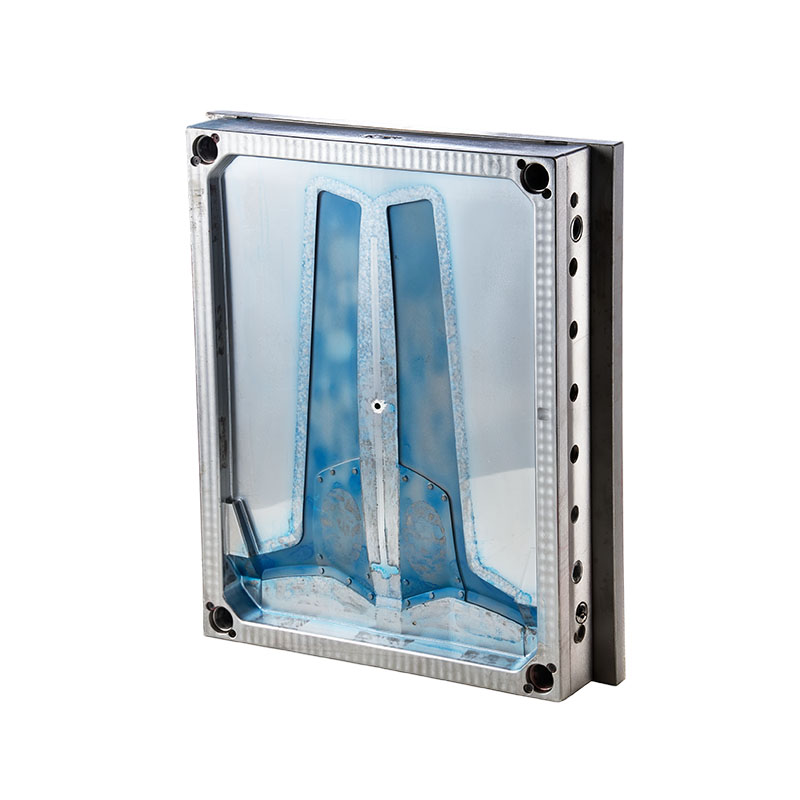
An injection plastic truck radiator tank mould produces the upper and lower coolant reservoir tanks that form the end caps of a truck's radiator assembly. These are safety-critical components — directly exposed to pressurized coolant at temperatures exceeding 120°C — making dimensional accuracy and material compatibility non-negotiable.
Glass-filled nylon (PA66-GF30 or PA66-GF35) is the industry-standard resin for radiator tank moulding, offering the thermal resistance, pressure retention, and chemical compatibility required by OEM cooling system specifications. The injection plastic truck radiator tank mould must achieve parting line seals tight enough to support crimped or welded assembly with the aluminum radiator core — tolerances are typically held within ±0.1 mm.
How These Moulds Are Built: Process Overview
All high-performance auto parts moulds — whether for tool boxes, radiator tanks, or body protection components — follow a shared engineering workflow:
Step 1 — CAD & Mould Flow Simulation Every project begins with 3D part design review and mould flow analysis (Moldex3D or Moldflow) to optimize gate location, cooling layout, and fill balance. This step is especially critical for the injection plastic truck radiator tank mould, where weld line placement directly affects pressure-cycle fatigue life.
Step 2 — Steel Selection & CNC Machining P20 steel suits medium-volume plastic mold parts production (under 300,000 shots). H13 hardened steel is specified for high-volume OEM auto parts mould programs requiring 500,000+ shot life guarantees.
Step 3 — Hot Runner & Cooling System Integration Hot runner manifolds eliminate cold-runner waste and reduce cycle time by 15–30%. Conformal or baffle cooling channels are positioned within 20 mm of cavity surfaces to prevent warpage — especially important for the large flat surfaces of an injection plastic truck tool box mould.
Step 4 — T1 Sampling & PPAP Validation First-article samples are dimensionally inspected against CAD nominal. For OEM auto parts mould programs, full PPAP documentation — including material certification, GR&R studies, and control plans — is required before production release.
Auto Body Protector Moulding: Applications & Requirements
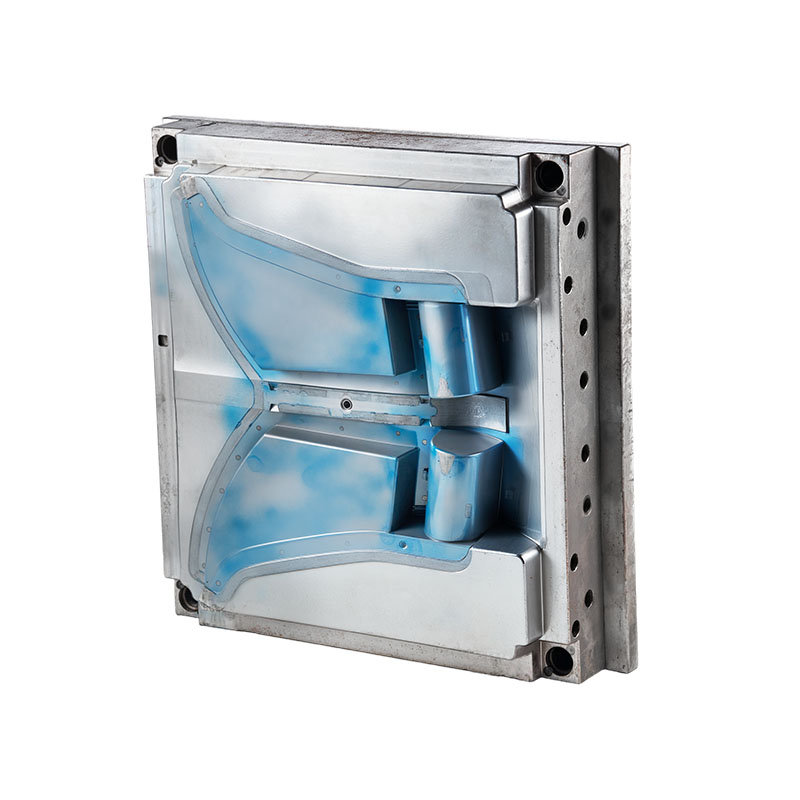
Auto body protector moulding refers to the injection moulding process used to produce exterior protection components — including side skirts, mud guards, underbody shields, wheel arch liners, and door edge protectors. These parts serve both functional and aesthetic roles on passenger cars, SUVs, and commercial trucks.
Key design requirements for auto body protector moulding include:
- Flexibility — PP or TPE resins allow energy absorption on impact without cracking
- UV Stability — Carbon black or UV stabilizer additives prevent surface degradation over a 10-year vehicle lifespan
- Complex geometry — Wheel arch liners and underbody shields involve deep-draw cavities and multi-directional side actions within the auto parts mould
- Surface texture — Grain or matte finishes are applied directly in-mould, eliminating secondary painting operations
Plastic Mold Parts vs. Auto Parts Mould: Understanding the Terminology
These two terms are frequently confused in cross-border procurement — particularly between North American and Asian supply chains.
| Term |
Meaning |
Context |
| Auto Parts Mould |
The tool/die used to manufacture automotive components |
Tooling supplier conversation |
| Plastic Mold Parts |
The finished moulded components produced by the tool |
Buyer or assembler conversation |
| Injection Plastic Truck Tool Box Mould |
The specific tool producing truck storage boxes |
Tooling RFQ & sourcing |
| Auto Body Protector Moulding |
The process and parts for exterior protection components |
OEM program specification |
Understanding this distinction prevents costly miscommunication in RFQ documentation. When requesting a quote, always specify whether you need the mould (tooling) or the plastic mold parts (finished components).
Choosing the Right Supplier for Auto Parts Mould Projects
When evaluating manufacturers across these product categories — from injection plastic truck radiator tank mould tooling to auto body protector moulding — procurement teams should prioritize:
- Category-specific experience — Radiator tank moulds require thermal and pressure engineering knowledge distinct from cosmetic body panel tooling
- Material expertise — PA66-GF35 for radiator tanks, PP/TPE for body protectors, HDPE for truck tool boxes — each resin demands different mould steel treatment and process parameters
- Integrated capability — Suppliers offering in-house DFM, mould flow simulation, steel machining, and T1 sampling reduce lead time and engineering risk
- Shot life warranty — Production auto parts mould tooling should carry a documented minimum shot life of 500,000 cycles for medium-volume programs
Frequently Asked Questions
What resin is used in an injection plastic truck radiator tank mould?
PA66-GF30 or PA66-GF35 (glass-filled nylon) is the industry standard, providing thermal resistance up to 130°C continuous and the pressure retention required for OEM cooling system certification.
How long does it take to build an injection plastic truck tool box mould?
Lead time typically ranges from 45 to 75 days for a standard single-cavity tool box mould, including DFM review, machining, fitting, and T1 sample delivery.
What is the shot life of a production auto parts mould?
A properly hardened H13 tool steel auto parts mould will achieve 500,000 to 1,000,000 shots under normal operating conditions with regular maintenance.
Are plastic mold parts and auto parts mould the same thing?
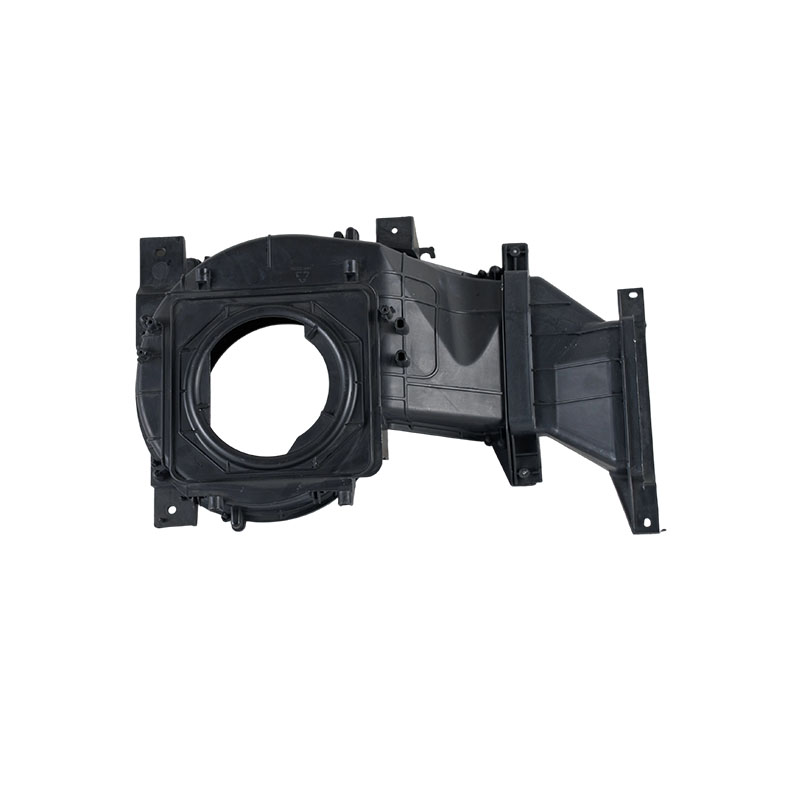
No. Plastic mold parts refers to the finished injection-moulded components. Auto parts mould refers to the steel tooling used to produce them. Both terms appear in automotive supply chain documentation but describe different deliverables.
What makes auto body protector moulding different from standard panel moulding?
Body protector components require flexible, impact-absorbing resins and deep-draw mould geometry — both of which demand specialized mould design and process engineering not typically needed for rigid structural panel tooling.

 English
 中文简体
中文简体 русский
 عربى
عربى