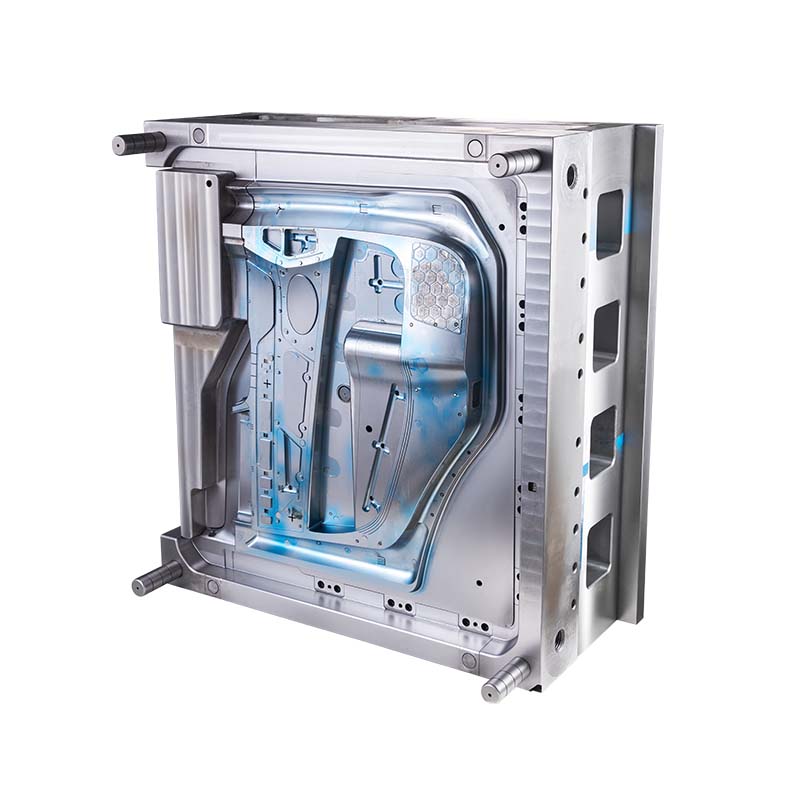
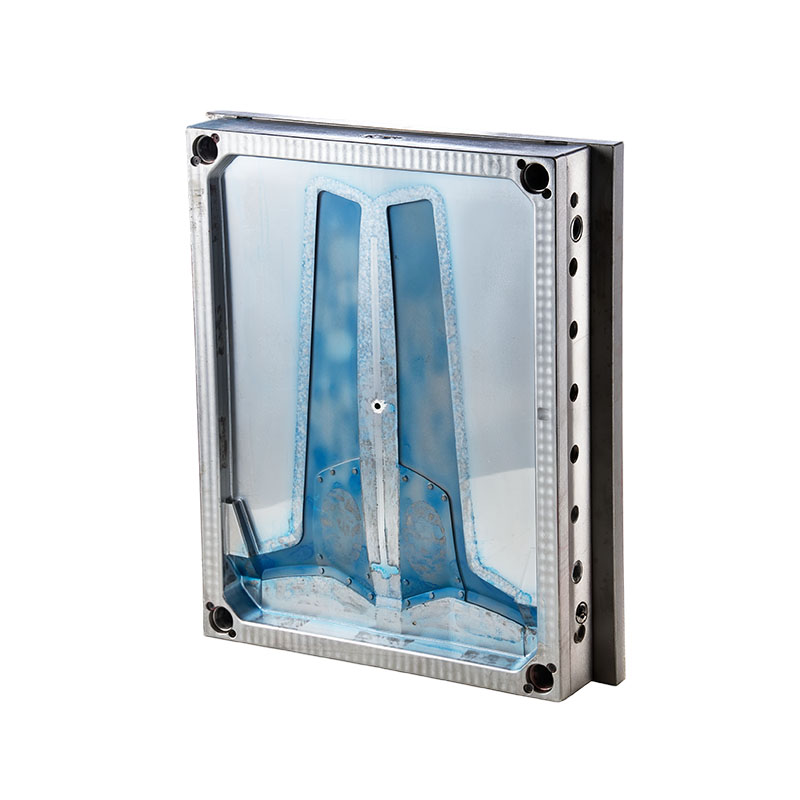
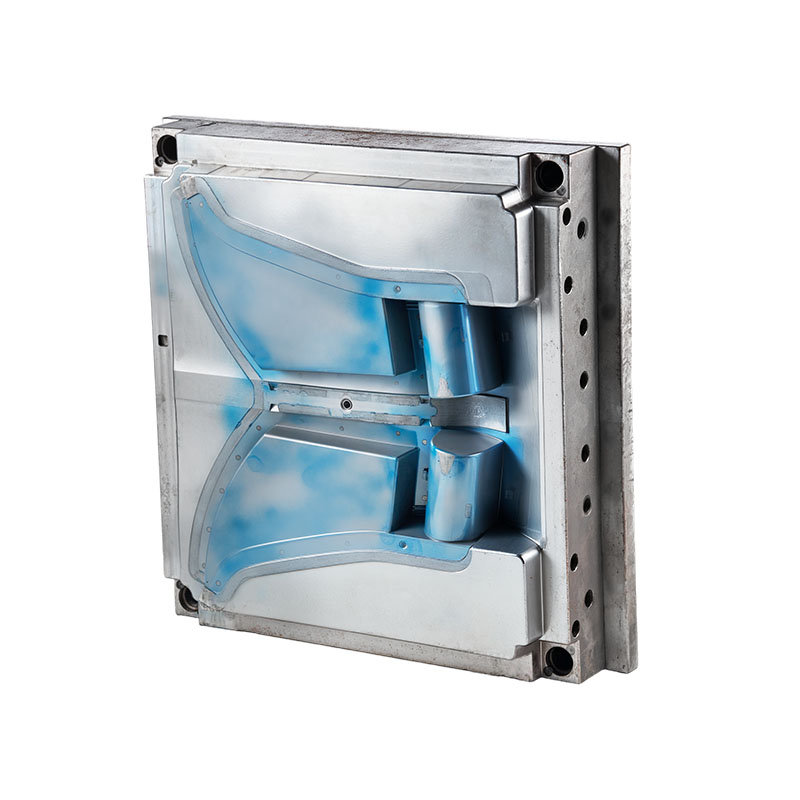
Plastic Pallet Moulds, Spoon Moulds, Storage Box Moulds & Daily Necessities Mould Development: A Complete Industry Guide
From warehouse logistics to kitchen essentials, plastic injection moulding underpins the products millions of people rely on every day. Understanding the key differences between plastic pallet moulds, plastic spoon moulds, storage box moulds, and broader daily necessities mould development helps buyers, engineers, and procurement teams make smarter sourcing decisions.
What Is Plastic Injection Moulding?
Plastic injection moulding is a high-precision manufacturing process in which molten polymer is injected under pressure into a custom-designed steel or aluminium cavity. Once cooled, the mould opens and ejects a finished part — ready for use or assembly. The mould itself is the most critical investment: its design determines dimensional accuracy, surface quality, cycle time, and total output over the tool's lifespan.
Plastic Pallet Mould
A plastic pallet mould is a large-format injection mould engineered to produce industrial pallets used in warehousing, logistics, and supply chain operations. These moulds typically require high-tonnage machines — commonly between 2,000 and 5,000 tonnes of clamping force — and are built from hardened tool steel such as P20 or H13 to withstand millions of cycles.
Key design features
Heavy-duty plastic pallet mould designs must accommodate reinforcing ribs, fork-entry channels, and complex undercut structures. Gas-assisted injection is often used to reduce sink marks while maintaining structural rigidity. Custom plastic pallet moulds targeting European markets are typically designed to EPAL dimensional standards (1200 × 800 mm) and must pass dynamic load tests at 1,500 kg or more.
Plastic Spoon Mould
A plastic spoon mould operates at the opposite end of the size spectrum but demands equal precision. Cutlery moulds are typically multi-cavity tools — running 16, 32, or even 64 cavities simultaneously — producing disposable or reusable spoons at high volume with cycle times often under 8 seconds.
Key design features
The thin-wall geometry of a spoon requires precise gate placement and balanced runner systems to ensure uniform filling across all cavities. High-cavity plastic spoon moulds must carefully control warpage through symmetrical cooling. Food-contact applications use S136 stainless steel to meet FDA and EU food safety compliance standards.
| Type |
Resin |
Cavities |
Cycle Time |
Application |
| Disposable spoon mould |
PP / PS |
32–64 |
< 8 sec |
Catering, takeaway, food service |
| Reusable spoon mould |
ABS / SAN |
8–16 |
12–18 sec |
Household, retail kitchenware |
Storage Box Mould
A storage box mould is one of the most versatile tool types in the plastic moulding industry. From under-bed organizers sold in retail chains to stackable bins used in automotive parts storage, these moulds serve a wide range of end-use scenarios and are a cornerstone of daily necessities mould development.
Key design features
Wall thickness uniformity is the primary engineering challenge — typically targeting 1.5–2.5 mm to balance material cost with drop resistance. Snap-fit hinges, lids, and interlocking features require tight tolerances of ±0.05 mm. Large storage box moulds frequently use side-action or collapsible-core mechanisms to demould internal undercuts cleanly. A family mould approach — producing multiple sizes (e.g., 5L, 15L, 30L) from one tooling program — is common for retail product lines.
Daily Necessities Mould Development
Daily necessities mould development is the broader discipline encompassing all household and consumer product tooling — including hangers, baskets, trash bins, kitchenware, bathroom accessories, and personal care containers, in addition to the categories above.
Standard development process
Successful plastic daily necessities mould projects follow a structured workflow that ensures quality before mass production begins.
| Stage |
Activity |
Typical Duration |
| 1. Concept review |
Product design evaluation, material selection |
3–5 days |
| 2. DFM analysis |
Design for Manufacturability feedback |
3–7 days |
| 3. Mould flow simulation |
Moldflow analysis, gate & cooling optimisation |
5–7 days |
| 4. Tooling fabrication |
CNC machining, EDM, assembly |
20–50 days |
| 5. T1 sampling |
First article inspection, dimensional report |
3–5 days |
| 6. Production approval |
Customer sign-off, mass production release |
3–5 days |
Comparing the Four Mould Types
| Mould Type |
Part Size |
Cavities |
Machine Tonnage |
Typical Lead Time |
Primary Markets |
| Plastic pallet mould |
Large |
1 |
2,000–5,000T |
60–90 days |
Logistics, cold chain, food industry |
| Plastic spoon mould |
Small |
16–64 |
80–300T |
25–40 days |
Food service, catering, retail |
| Storage box mould |
Medium |
1–4 |
300–1,200T |
35–55 days |
Consumer retail, automotive, industrial |
| Daily necessities mould |
All sizes |
1–32 |
80–2,000T |
35–75 days |
Household, personal care, hardware |
How to Choose the Right Mould Partner
When evaluating a plastic injection mould manufacturer for any of these product categories, consider the following criteria: tooling steel grade and hardness specifications, in-house CNC and EDM machining capacity, mould flow analysis capabilities, T1 sample turnaround time, and export experience with CE or FDA documentation.
A supplier experienced in custom plastic mould development for daily use products will provide DFM feedback before purchase orders are placed, offer mould flow simulation reports, and clearly define warranty terms covering steel cracking, dimensional drift, and runner system performance.
Whether your project involves a high-tonnage plastic pallet mould, a precision multi-cavity spoon mould, a versatile storage box mould, or a full daily necessities mould development program — the fundamentals remain the same: material selection, cavity balance, cooling efficiency, and tool steel durability determine product quality and long-term cost per part.

 English
 中文简体
中文简体 русский
 عربى
عربى