Plastic Car Panel Mould & Car Door Panel Mould: The Complete Manufacturing Guide
What Is a Plastic Car Panel Mould?
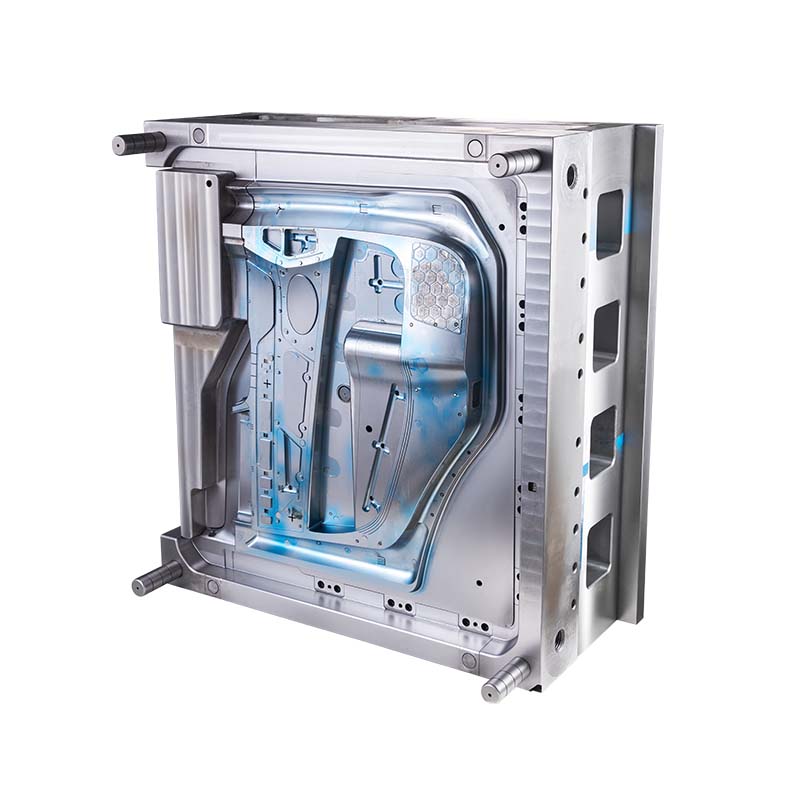
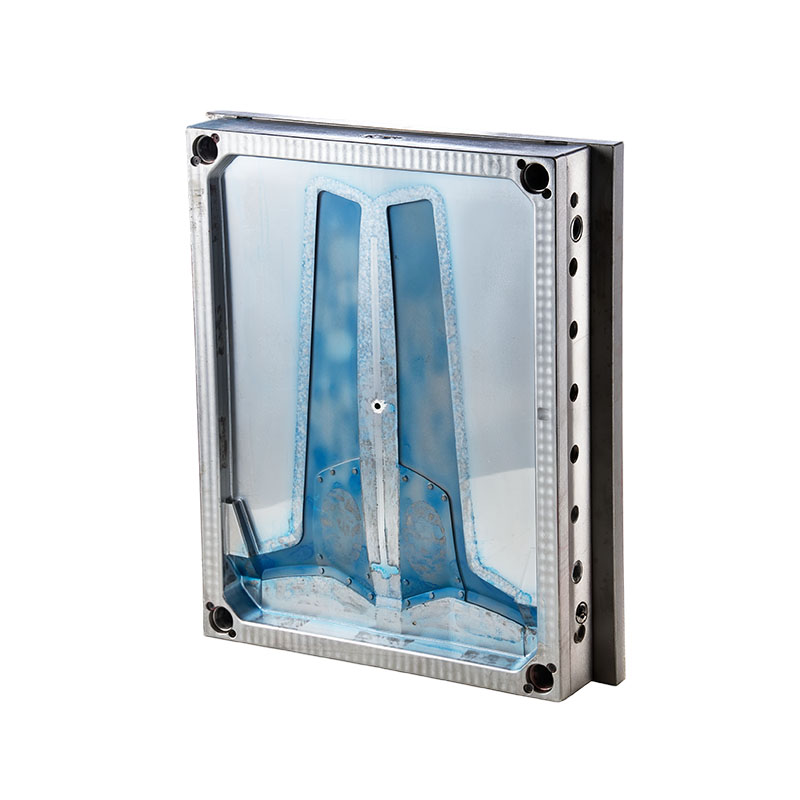
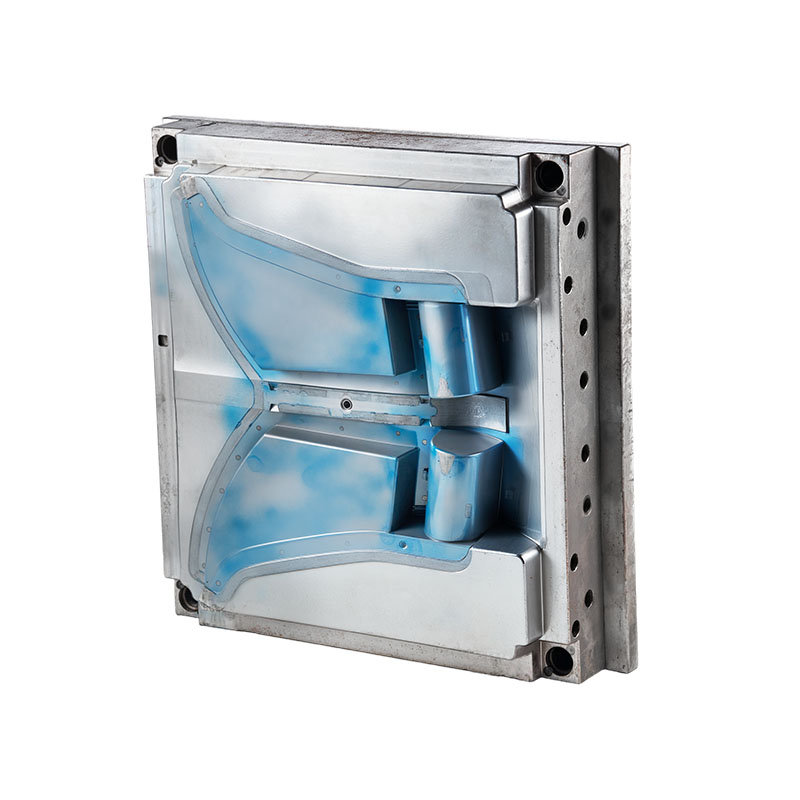
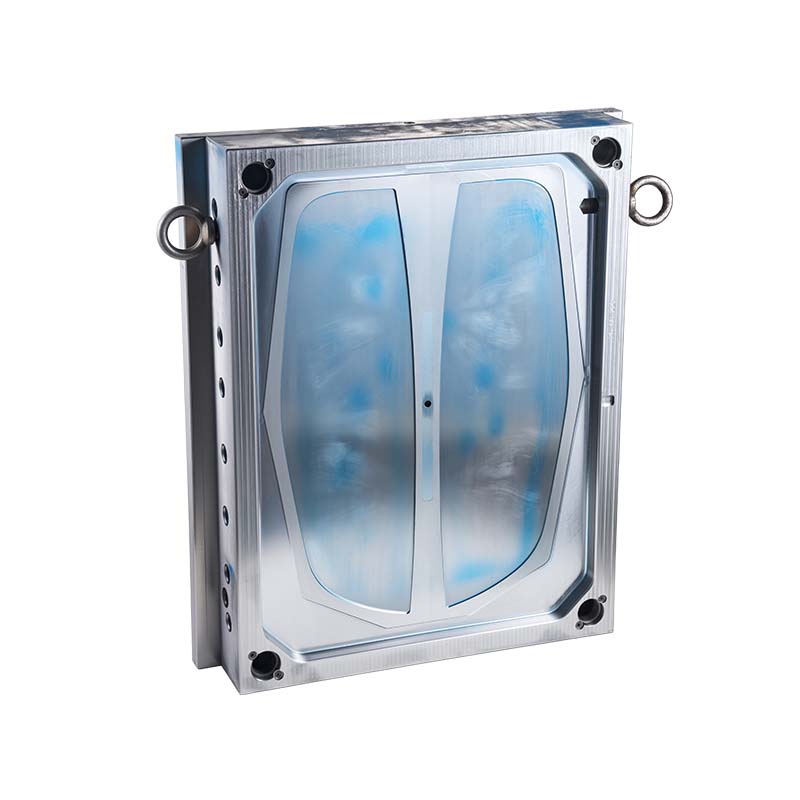
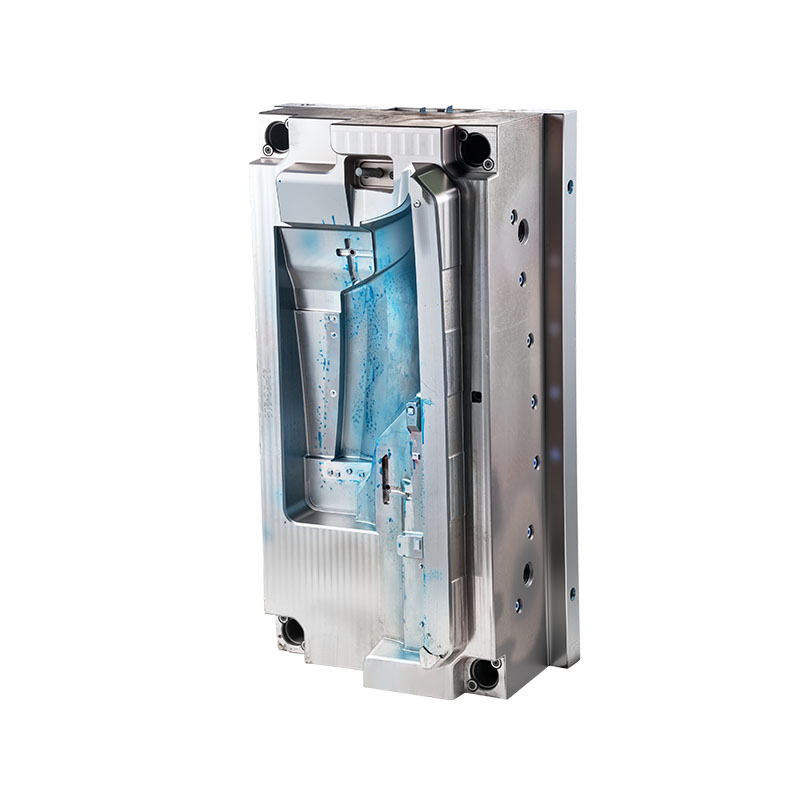
A plastic car panel mould is a precision-engineered injection moulding tool designed to produce large, structural, and semi-structural exterior or interior panels for passenger vehicles. From door skins to quarter panels and pillar trims, plastic car panel moulds are the foundation of modern automotive body manufacturing.
These tools are typically built from P20 or H13 tool steel and operate within injection moulding machines ranging from 800 to 3,500 tons, depending on panel size and projected surface area. The result is a lightweight, dimensionally stable plastic component that meets OEM fit, finish, and crash-safety specifications.
How a Car Door Mold Works: Process Explained
A car door mold — also referred to as a car door panel mould in British-standard markets — follows a multi-stage manufacturing and production process:
1. Design & DFM Analysis Engineers begin with a full Design for Manufacturability review, analyzing draft angles (typically 1–3°), wall thickness uniformity (2.5–3.5 mm for door panels), gate placement, and parting line strategy. Mould flow simulation software predicts weld line locations, sink marks, and fill balance before any steel is machined.
2. Steel Machining & Surface Finishing CNC high-speed milling removes the bulk of material, followed by EDM (Electrical Discharge Machining) for fine cavity details. The cavity surface is then textured or polished to achieve the required Class-A finish — critical for visible exterior car door panel mould applications.
3. Injection & Cooling Molten PP, ABS, or PC/ABS blend is injected under pressure into the closed car door mold cavity. Strategically placed conformal cooling channels maintain a uniform mold temperature, reducing cycle time and preventing warpage across the panel's large surface area.
4. Ejection & Post-Processing After cooling, ejector pins release the panel from the plastic car panel mould. Parts then undergo trimming, paint adhesion treatment, and dimensional inspection before assembly.
Application Scenarios: Where These Moulds Are Used
Exterior Door Panels The car door panel mould for exterior skins demands Class-A surface quality with zero sink marks or flow lines. Materials like TPO (thermoplastic olefin) or PP-TD20 are common, offering both paint adhesion and impact resistance for OEM programs.
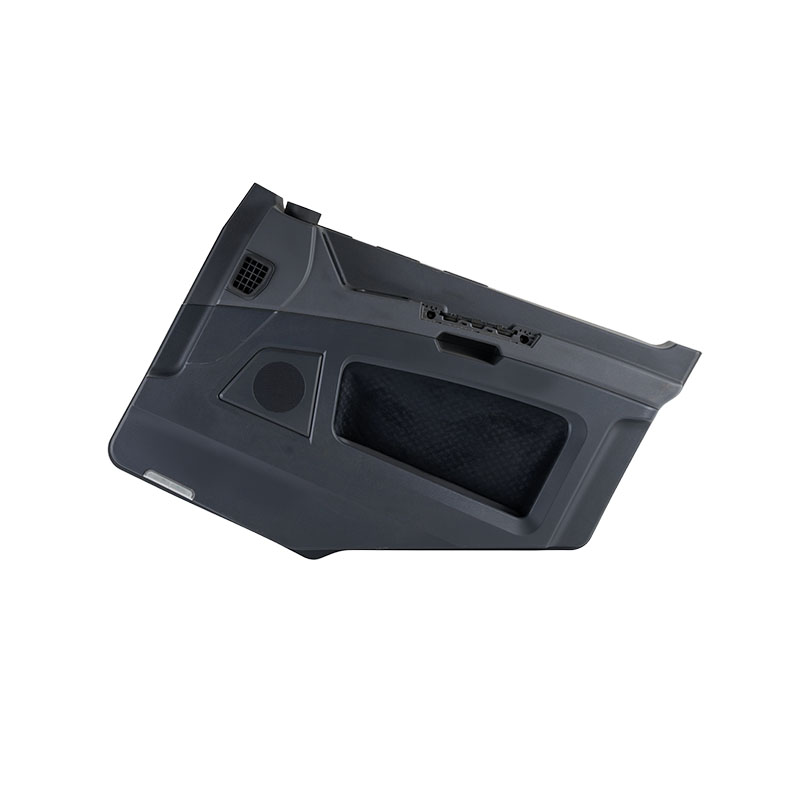
Interior Door Trim Panels Interior applications of plastic car panel mould tooling require soft-touch grain textures, integrated clip boss features, and multi-zone surface finishes. These panels often incorporate in-mould labelling or two-shot moulding for decorative inserts.
Structural Reinforcement Panels Some car door mold programs produce inner structural carriers — typically PP-GF30 (glass-filled polypropylene) — that serve as the mounting substrate for window regulators, speakers, and wiring harnesses.
Plastic Car Panel Mould vs. Car Door Panel Mould: Key Differences
| Feature |
Plastic Car Panel Mould |
Car Door Panel Mould |
| Scope |
All body panels (fenders, hoods, pillars) |
Specifically door inner/outer skins |
| Surface Requirement |
Varies by location |
Class-A exterior or grained interior |
| Typical Material |
PP, ABS, TPO |
TPO, PP-TD20, PC/ABS |
| Mould Complexity |
Medium to high |
High — large area, tight tolerances |
| Press Tonnage |
800–3,500 ton |
1,200–3,500 ton |
While the terms are often used interchangeably in procurement, a car door mold is technically a subset of the broader plastic car panel mould category — distinguished by its specific geometry, sealing surface requirements, and multi-zone finish demands.
How to Select a Car Door Panel Mould Manufacturer
When evaluating suppliers for plastic car panel mould tooling, procurement teams should assess the following:
- Mould flow analysis capability — Does the supplier provide Moldex3D or Autodesk Moldflow simulation reports?
- Steel certification — P20 or H13 with hardness documentation (28–32 HRC for P20; 48–52 HRC for H13)
- T1 sample lead time — Industry benchmark for a car door mold is 75–100 days from tool kickoff to first sample
- Shot life guarantee — A production-grade car door panel mould should achieve 500,000 shots minimum under normal operating conditions
- PPAP readiness — OEM suppliers require full Production Part Approval Process documentation before series launch
Frequently Asked Questions
What is the difference between a car door mold and a car door panel mould? They refer to the same tooling category. "Car door mold" follows American English spelling conventions, while "car door panel mould" is standard in British English and widely used in European and Asian automotive supply chains.
What plastic is used in a plastic car panel mould? The most common resins are TPO for exterior panels, PP-TD20 for structural applications, and PC/ABS blends for interior trim requiring higher rigidity and heat resistance.
How much does a car door panel mould cost? Depending on complexity and steel grade, a single-cavity car door panel mould typically ranges from $60,000 to $180,000 USD. Multi-cavity or family mould configurations will vary accordingly.
What causes warpage in plastic car panel mould parts? Warpage is primarily caused by non-uniform cooling, inconsistent wall thickness, or incorrect gate placement. Proper mould flow simulation during the design phase of any car door mold project is the most effective prevention strategy.

 English
 中文简体
中文简体 русский
 عربى
عربى