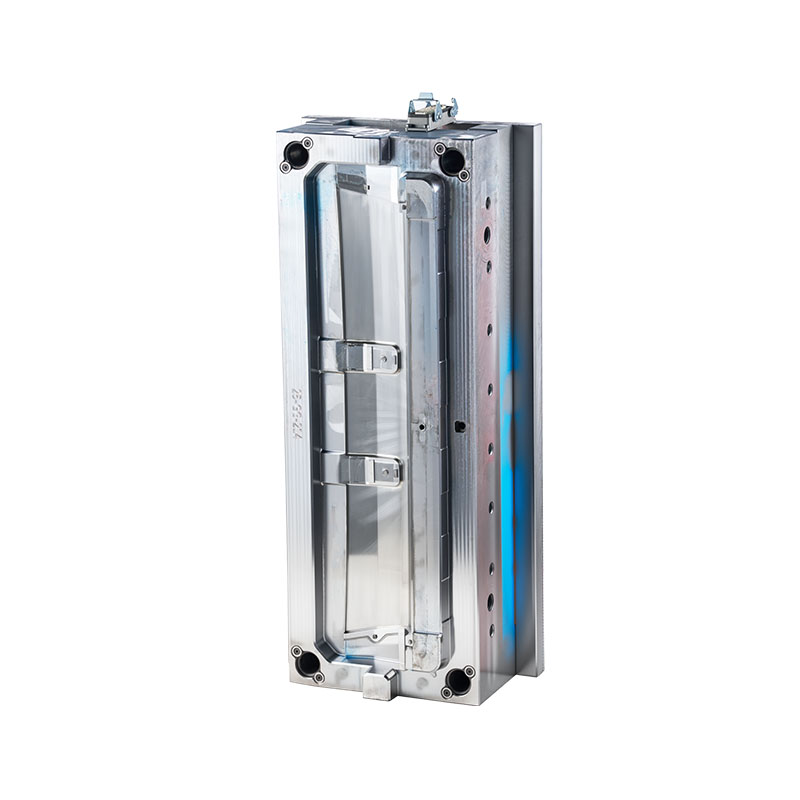
Plastic Truck Car Bumper Mould: A Complete Industry Guide to Auto Bumper Injection Moulding
What Is a Plastic Truck Car Bumper Mould?
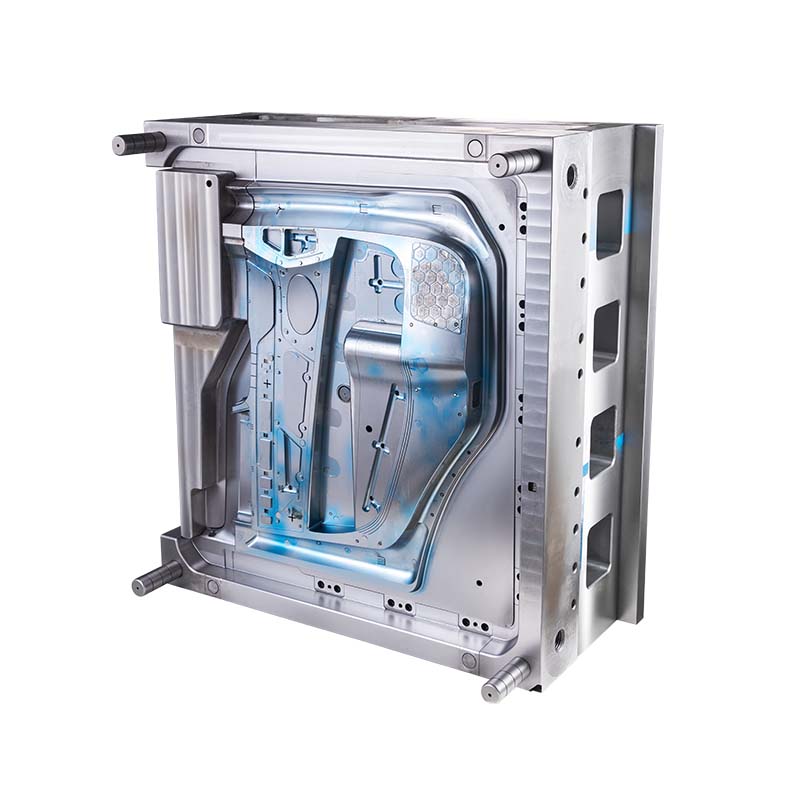
A plastic truck car bumper mould is a precision-engineered steel or aluminum tool used in injection moulding processes to produce front and rear bumpers for commercial trucks and passenger vehicles. Unlike sheet metal stamping, injection moulding allows manufacturers to achieve complex geometries, integrated mounting features, and surface-ready finishes in a single production cycle.
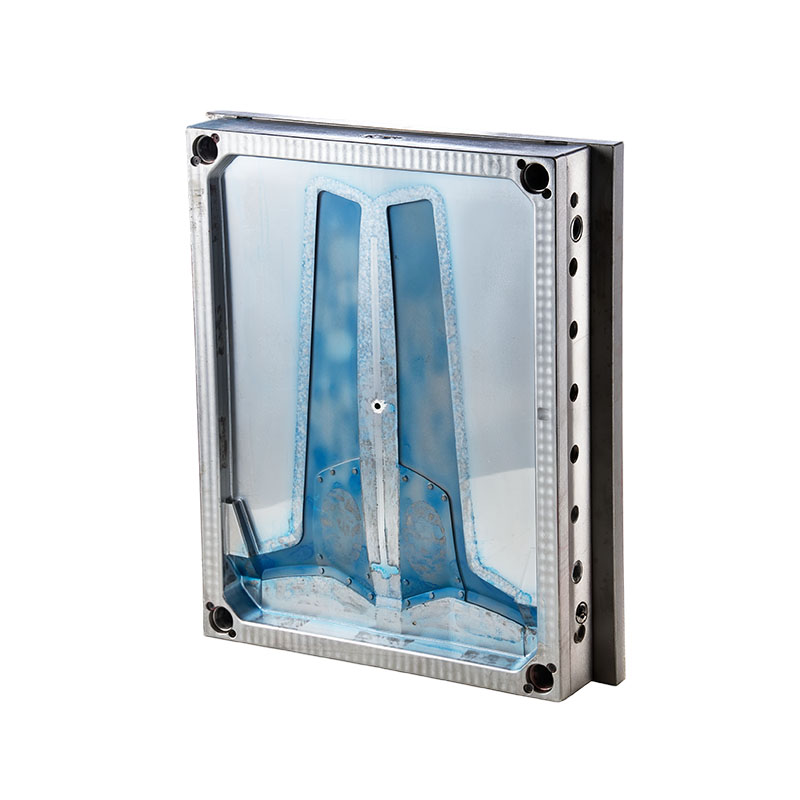
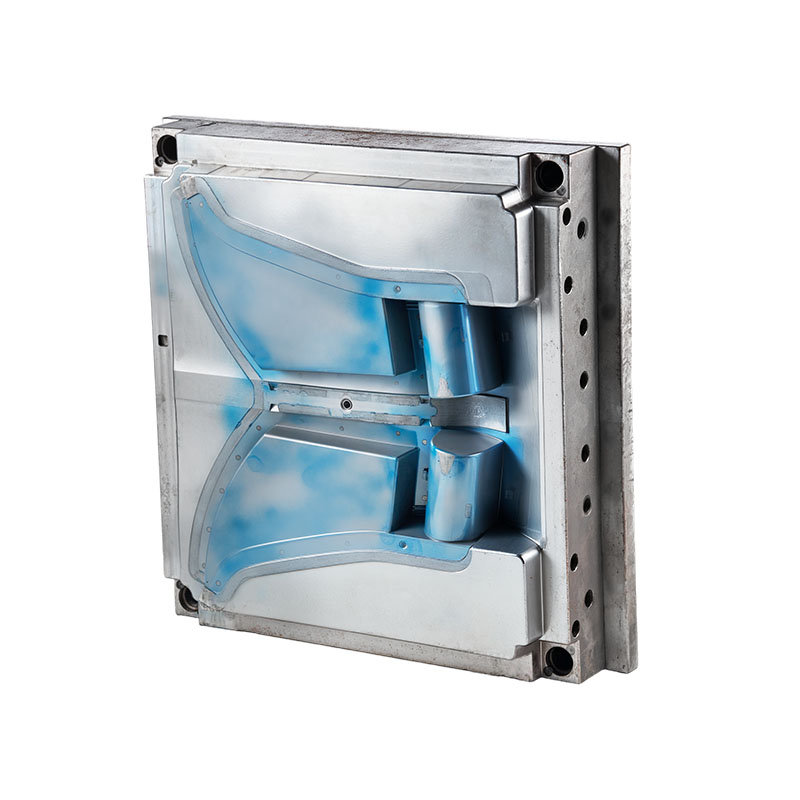
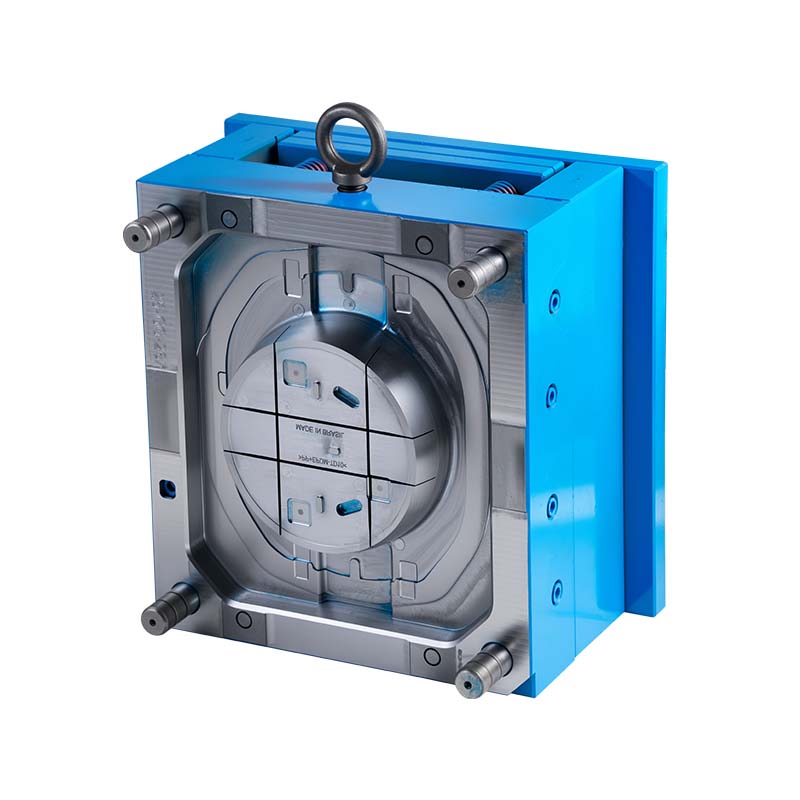
The mould consists of two primary halves — the cavity side and the core side — which close under high clamping force to form a sealed chamber. Molten thermoplastic resin, typically PP/EPDM or ABS, is injected under pressure and cooled to produce a dimensionally accurate bumper component.
An auto bumper mould is classified under large structural plastic moulds, typically requiring 1,500–4,000-ton injection moulding machines due to the projected area and wall thickness demands of bumper fascias.
How Plastic Bumper Injection Moulding Works
Plastic truck bumper injection mould tooling follows a structured manufacturing workflow that begins with CAD/CAE mould flow analysis to predict fill patterns, weld lines, and sink marks before any steel is cut.
Engineers first perform DFM (Design for Manufacturability) analysis to confirm draft angles, wall thickness uniformity, and gate locations. Steel blocks — most commonly P20 or H13 tool steel — are then rough-machined using CNC milling before EDM refines cavity surfaces to a mirror or textured finish.
A properly built car bumper mould integrates a hot runner system to eliminate cold-runner waste and reduce cycle time. Cooling channels are placed within 15–25 mm of the cavity surface to maintain uniform temperature control — critical for warpage prevention in large, thin-walled bumper parts.
Application Scenarios: Trucks vs. Passenger Cars
The structural requirements for a plastic truck bumper mould differ significantly from a standard car bumper mould. Truck bumpers demand greater wall thickness (3–4 mm), reinforced rib structures, and sometimes insert moulding for metal reinforcement brackets.
Plastic Truck Bumper Mould: Larger projected area (1.5–2.2 m wide), requires high-tonnage presses, PP-GF30 materials common, often includes integrated step pads and tow hook openings.
Car Bumper Mould: Focus on Class-A surface quality, slimmer profiles, multiple in-mould decoration options, designed for mass production volumes of 200,000+ units per year.
For OEM programs, the auto bumper mould must pass PPAP (Production Part Approval Process) validation — including dimensional GR&R studies and material certification — before entering series production.
Choosing the Right Bumper Mould Supplier
When sourcing a plastic truck bumper injection mould, buyers should evaluate suppliers on three core criteria: steel quality, mould flow simulation capability, and T1 sample lead time. A qualified car bumper mould manufacturer will provide mould flow reports, steel certifications, and a structured engineering change management process.
Key considerations include lifetime warranty clauses on steel hardness, offshore vs. domestic tooling cost trade-offs, and compatibility with the buyer's existing injection press specifications — all critical factors when evaluating auto bumper mould partners for new vehicle programs.
Frequently Asked Questions
What material is used for a plastic truck car bumper mould? Most bumper moulds use P20 pre-hardened steel for medium-volume tools and H13 hardened steel for high-volume OEM tooling.
How long does it take to manufacture a car bumper mould? Typical lead time ranges from 60 to 90 days, including DFM review, machining, fitting, and T1 sampling.
What does a plastic bumper injection mould cost? A single-cavity car bumper mould typically costs $80,000–$250,000 USD depending on complexity, steel grade, and hot runner configuration. Plastic truck bumper moulds generally fall at the higher end due to their larger size.
Can one auto bumper mould work for both trucks and cars? No. Each mould is part-specific. A plastic truck bumper mould cannot be adapted for a passenger car application due to dimensional and structural differences.

 English
 中文简体
中文简体 русский
 عربى
عربى