SMC Mould & Sheet Moulding Compound: The Complete Guide to SMC Compression Molds
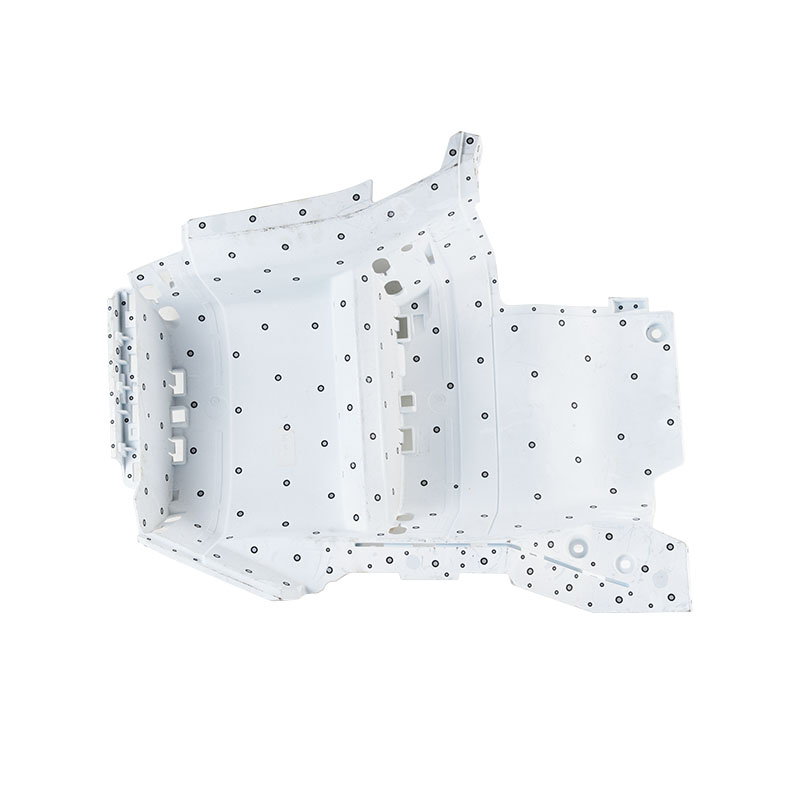
Sheet Moulding Compound, commonly known as SMC, is a ready-to-mould, glass-fibre-reinforced thermoset composite material. It consists of a resin paste — typically unsaturated polyester or vinyl ester — combined with chopped or continuous glass fibres, fillers, and additives, all sandwiched between carrier films to form a pliable sheet. Once cured under heat and pressure, SMC delivers exceptional mechanical strength, dimensional stability, and chemical resistance.
Manufacturers across the automotive, electrical, and construction industries rely on SMC composites because they offer a compelling alternative to steel and aluminium — reducing component weight by up to 25–30% without sacrificing structural integrity.
SMC Material Properties at a Glance
| Property |
Typical SMC Value |
Benefit |
| Tensile Strength |
60–180 MPa |
Structural load-bearing capability |
| Flexural Modulus |
7–14 GPa |
High stiffness for large panels |
| Density |
1.7–2.0 g/cm³ |
30–40% lighter than steel |
| Heat Deflection Temp |
200–220°C |
Suitable for under-hood applications |
| Flame Rating |
UL94 V-0 |
Inherent fire resistance |
| Surface Finish |
Class-A achievable |
Paint-ready automotive exteriors |
How SMC Compression Moulding Works
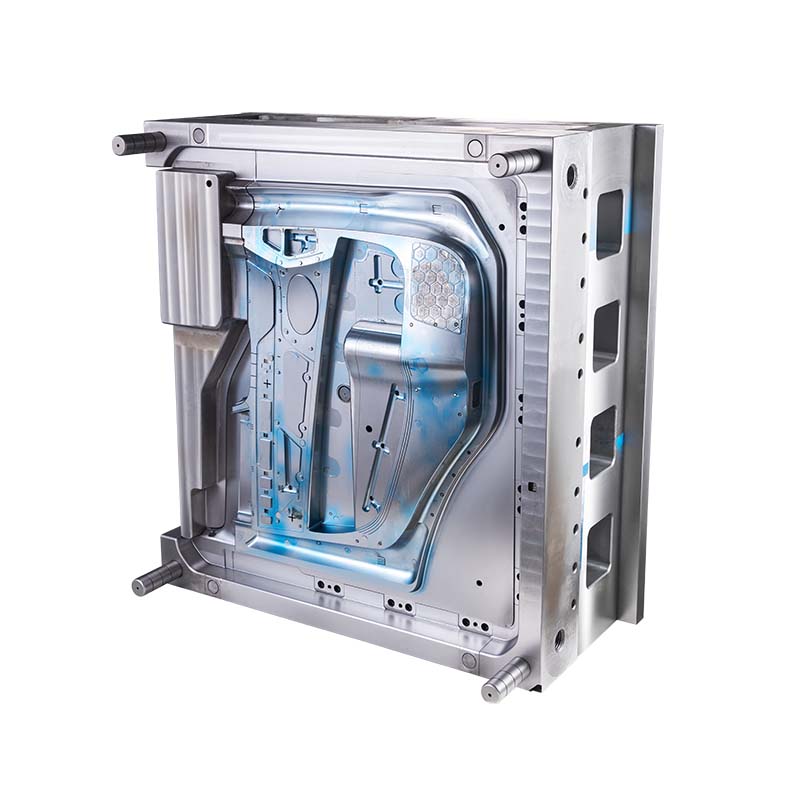
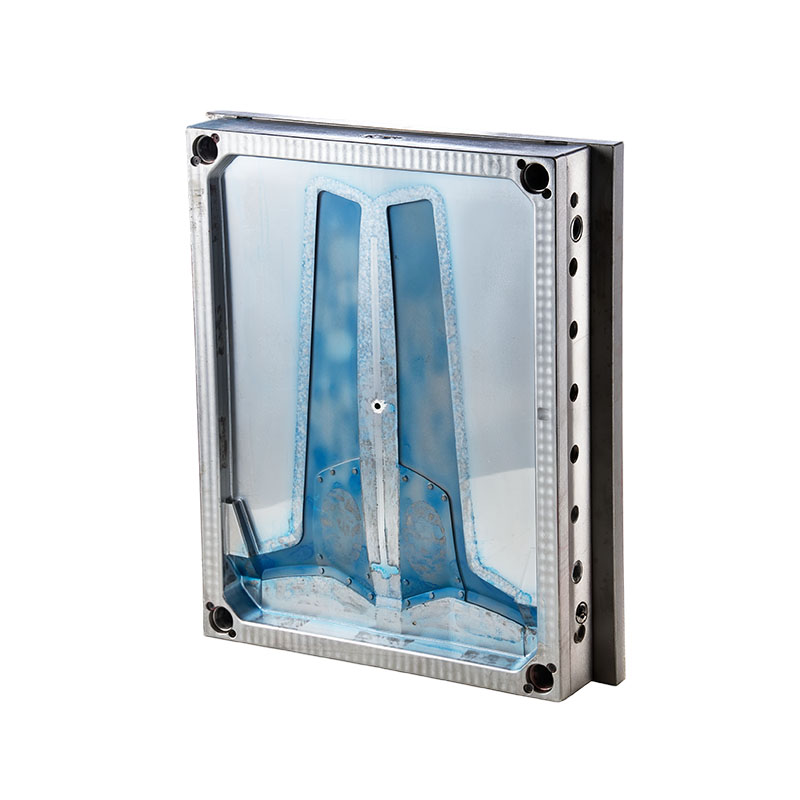
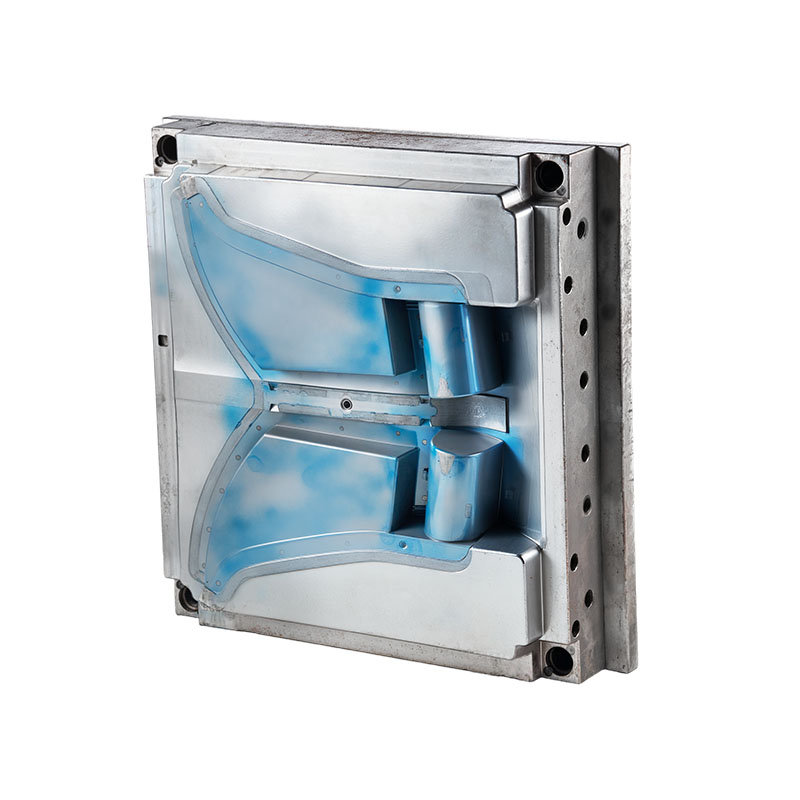
The SMC compression moulding process begins by cutting pre-weighed SMC charges and positioning them strategically within a matched metal mould tool — the SMC mould — typically machined from high-strength P20 or 42CrMo4 steel. The mould is then closed under a hydraulic press applying pressures of 5–15 MPa, while mould temperatures are maintained between 140°C and 165°C.
Under these conditions, the resin cross-links in 1–3 minutes, producing a fully cured, net-shape composite part. This short cycle time makes SMC compression moulding one of the most cost-effective processes for medium-to-high volume production of large, complex structural parts.
SMC Compression Moulding Process Parameters
| Industry |
Typical SMC Parts |
Key Driver |
| Automotive |
Tailgates, front-end modules, battery enclosures, spoilers |
Weight reduction, Class-A surface |
| Electrical & Energy |
Switchgear housings, meter boxes, transformer covers |
Flame retardancy, dimensional stability |
| Construction |
Shower trays, bath panels, manhole covers |
Corrosion resistance, low maintenance |
| Agriculture & Commercial Vehicle |
Cab panels, fenders, engine covers |
Impact resistance, low tooling cost per part |
| Consumer Goods |
Appliance housings, sanitary ware |
Surface aesthetics, high-volume economics |
Key Applications: Where SMC Moulds Are Used
SMC mould tooling is engineered for diverse end markets across multiple industries.
| Industry |
Typical SMC Parts |
Key Driver |
| Automotive |
Tailgates, front-end modules, battery enclosures, spoilers |
Weight reduction, Class-A surface |
| Electrical & Energy |
Switchgear housings, meter boxes, transformer covers |
Flame retardancy, dimensional stability |
| Construction |
Shower trays, bath panels, manhole covers |
Corrosion resistance, low maintenance |
| Agriculture & Commercial Vehicle |
Cab panels, fenders, engine covers |
Impact resistance, low tooling cost per part |
| Consumer Goods |
Appliance housings, sanitary ware |
Surface aesthetics, high-volume economics |
SMC vs. BMC vs. Thermoplastic Compression: Choosing the Right Process
| Criteria |
SMC |
BMC |
Thermoplastic Compression |
| Part Size |
Large (>0.5 m²) |
Small to medium |
Small to large |
| Glass Content |
25–45% |
15–25% |
20–40% |
| Surface Quality |
Class-A achievable |
Good |
Good |
| Cycle Time |
1–3 min |
1–2 min |
<1 min |
| Tooling Cost |
Medium–High |
Low–Medium |
Medium–High |
| Recyclability |
No (thermoset) |
No (thermoset) |
Yes |
| Best For |
Structural body panels, EV parts |
Electrical components, small housings |
High-volume stampings, recyclable parts |
When buyers compare SMC compression mould costs against alternative processes, SMC consistently wins for large, complex parts with tight dimensional tolerances and paint-ready surface requirements — particularly where integrating multiple features in one shot reduces downstream assembly costs.
What to Look for in a Quality SMC Mould Supplier
Sourcing a reliable SMC mould manufacturer requires evaluating several technical and commercial factors.
| Evaluation Criteria |
What to Ask |
Why It Matters |
| Mould Steel Specification |
P20 or through-hardened steel? |
Determines tool life and cycle durability |
| Surface Treatment |
Chrome plating grade, polishing Ra value? |
Directly affects part surface quality and release |
| Thermal Management |
Uniform cooling/heating channel layout? |
Prevents sink marks, warpage, and incomplete cure |
| Simulation Capability |
Mould flow and thermal mapping reports? |
Reduces trial-and-error and shortens validation |
| DFM Support |
Charge layout, vent, and parting line review? |
Optimises quality before tooling begins |
| Certifications |
ISO 9001 / IATF 16949? |
Required for automotive supply chain entry |
| Lead Time |
6–14 weeks for steel production tooling? |
Benchmark for planning programme timelines |
Frequently Asked Questions about SMC Compression Moulding
How long does SMC mould tooling take to produce? Typical SMC mould lead times range from 6 to 14 weeks depending on part complexity, mould size, and steel availability. Aluminium prototype moulds can be delivered faster for low-volume trial runs.
What is the typical lifespan of an SMC compression mould? A well-maintained, hardened-steel SMC mould will reliably produce between 300,000 and 600,000 quality parts. Regular maintenance — cleaning, polishing, and edge repair — is essential to achieve full tool life.
Can SMC moulds produce Class-A automotive surfaces? Yes. With proper mould surface polishing, a controlled SMC formulation using low-profile additives, and optimised press parameters, SMC compression moulding consistently achieves Class-A exterior body panel quality suitable for visible automotive components.

 English
 中文简体
中文简体 русский
 عربى
عربى