Essential Guide: Optimizing Performance with Precision Car Light Mould Engineering
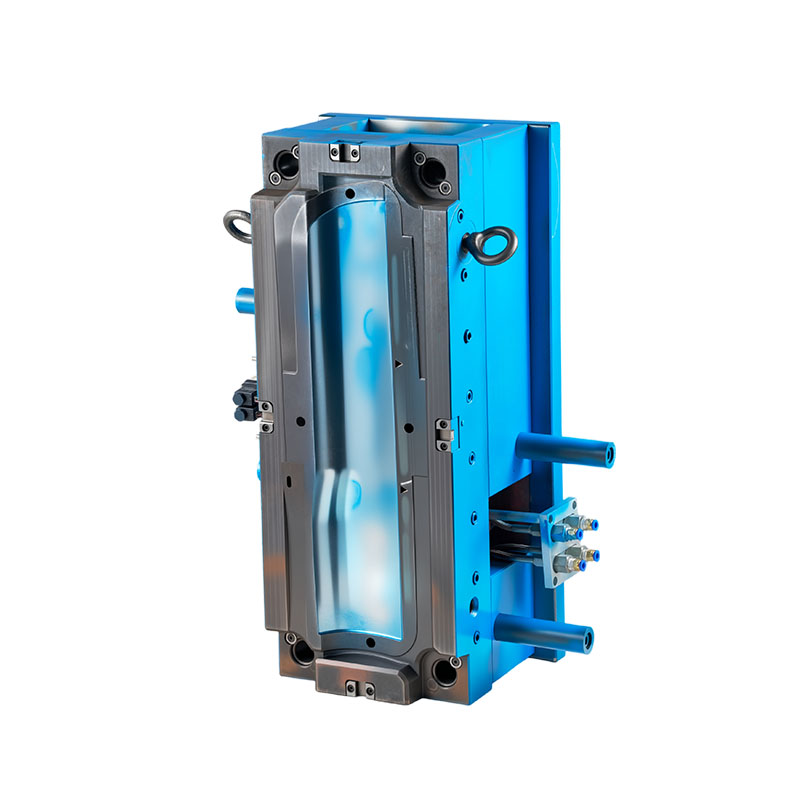
The automotive industry is undergoing a massive transformation, driven by electrification and advanced aesthetic designs. As vehicle lighting evolves from simple signal devices into complex optical systems, the reliance on high-precision manufacturing tools has never been greater. For manufacturers and Tier 1 suppliers, choosing the right Car Light Mould is the foundational step in ensuring both performance and regulatory compliance.
Understanding the Automotive Lighting Production Process
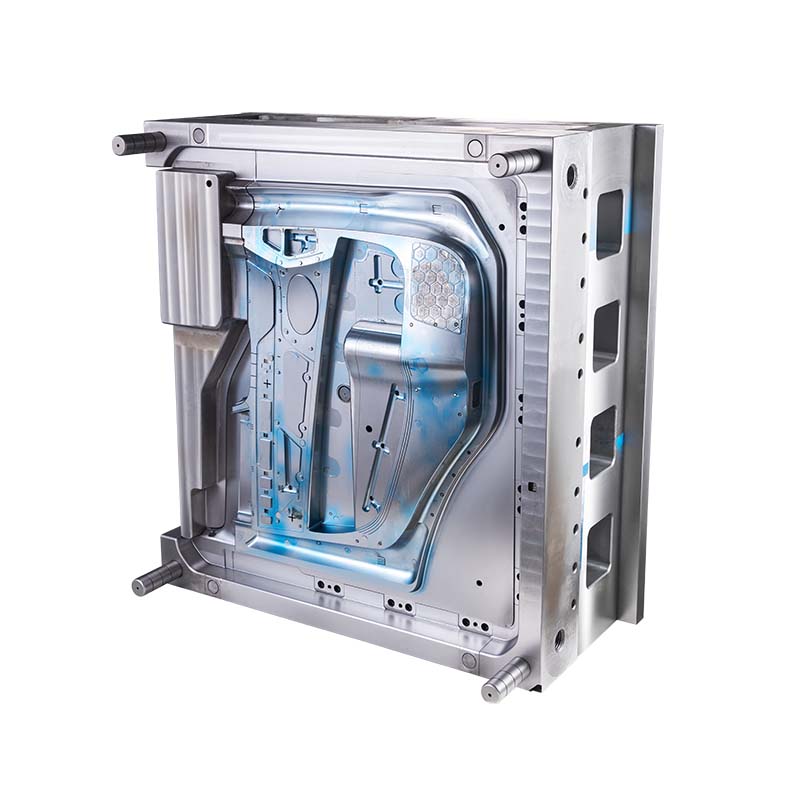
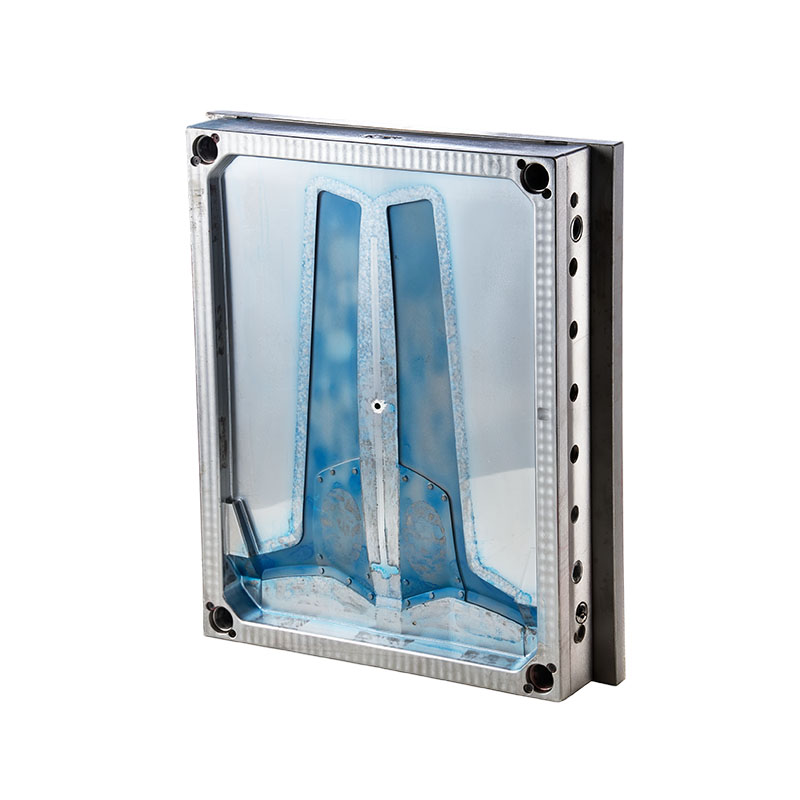
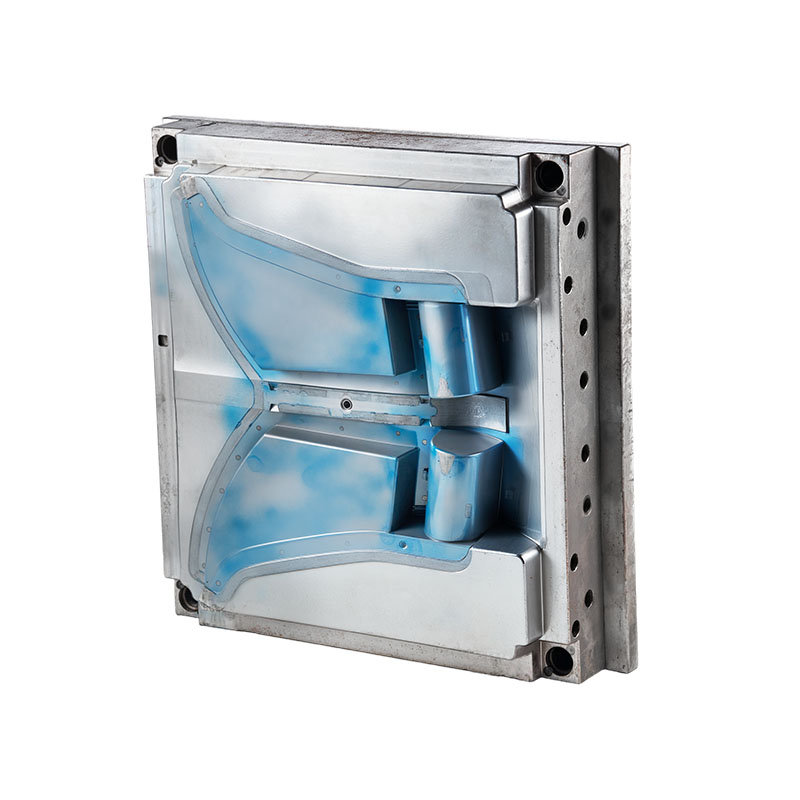
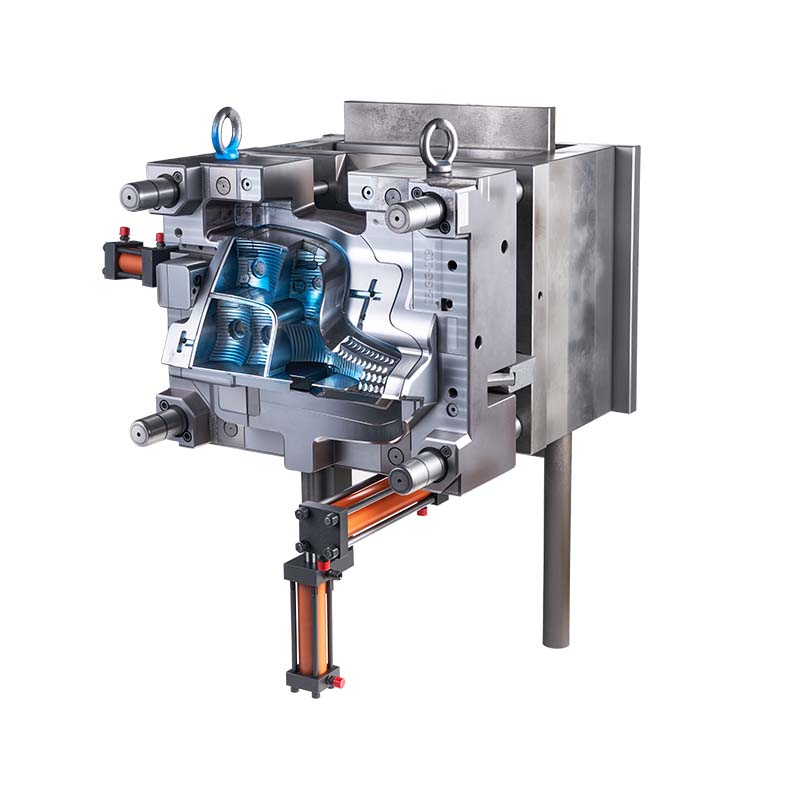
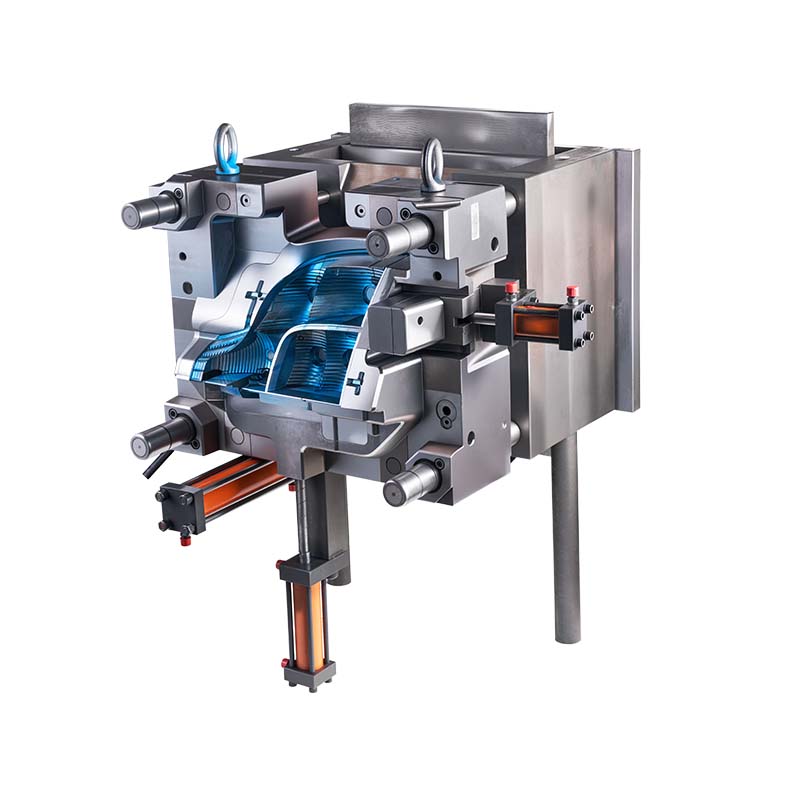
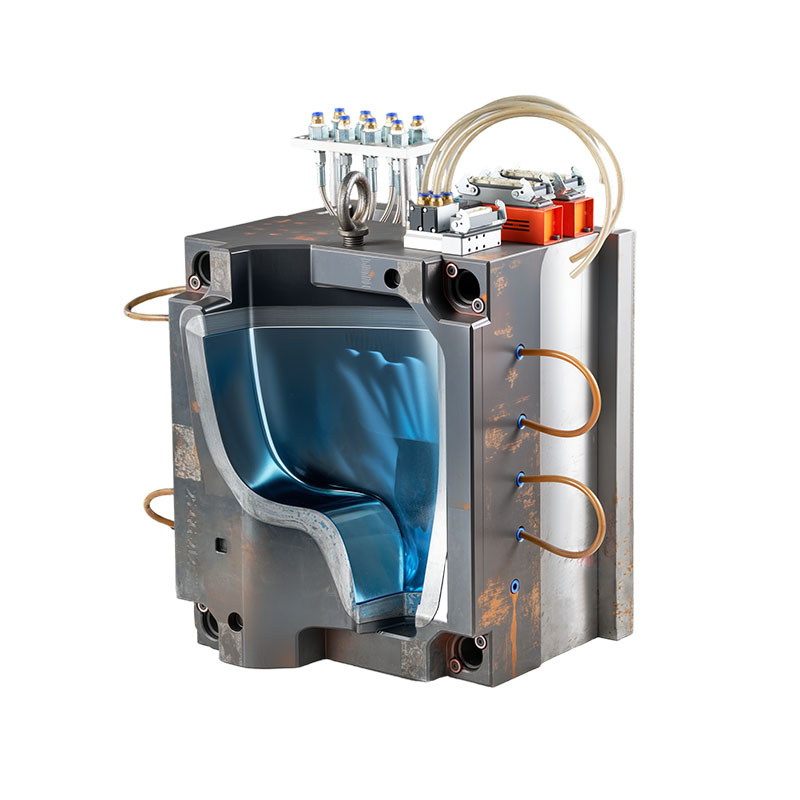
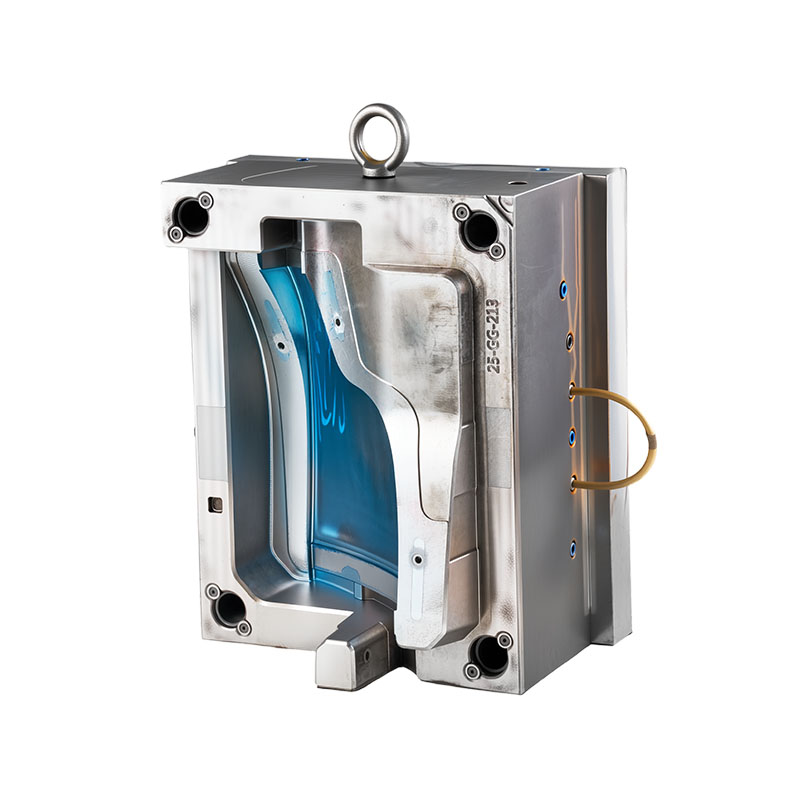
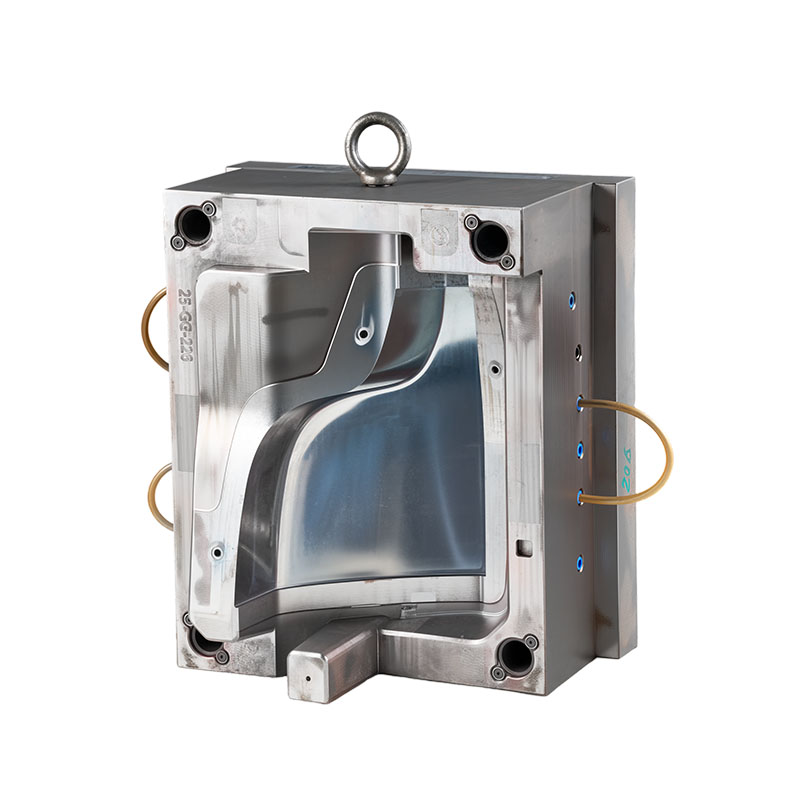
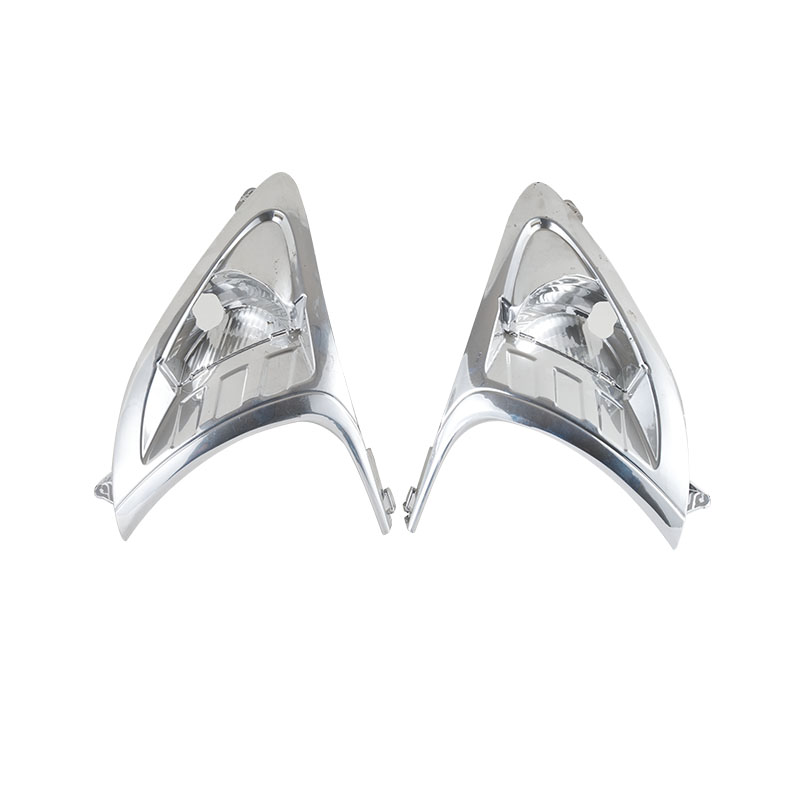
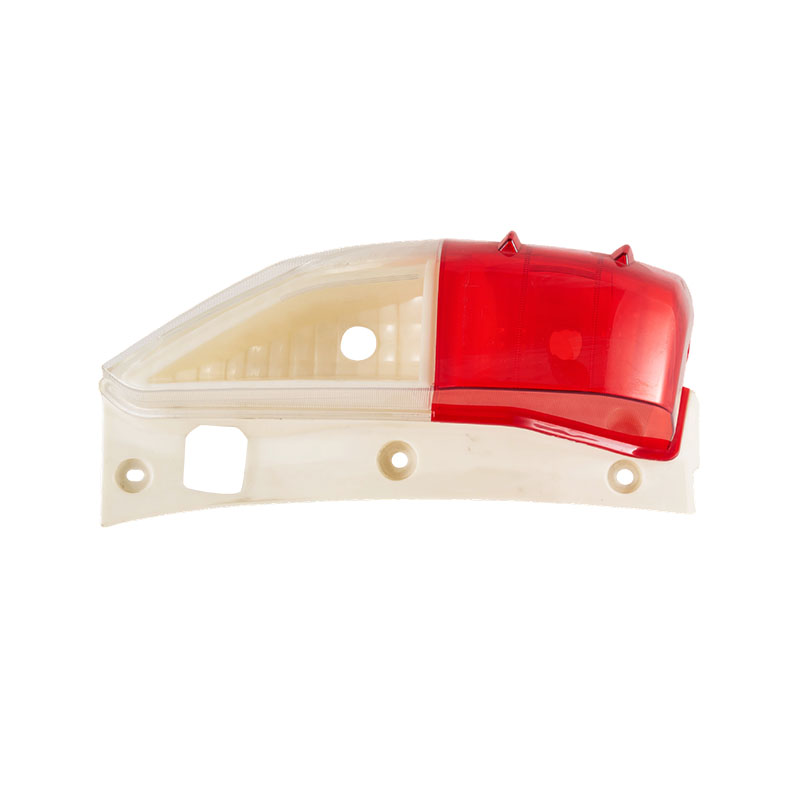
At its core, a Car Lamp Mould is a highly specialized injection mold designed to produce optical-grade plastic components, such as lenses, housings, and light guides. Unlike standard injection molds, these tools must achieve microscopic tolerances to ensure light refraction is accurate.
The process involves high-pressure injection of optical-grade materials—typically Polycarbonate (PC) or Polymethyl Methacrylate (PMMA)—into a precision-engineered cavity. The quality of the final component is dictated by the thermal stability, surface finish, and venting capabilities of the Auto Light Mold. Even a minor deviation in the mold surface can cause light diffusion errors, resulting in failure during photometric testing.
Why Precision in Auto Light Mold Design Matters
Lighting components are no longer just functional parts; they are aesthetic statements. Precision engineering is critical for three primary reasons:
- Optical Clarity: Ensuring light transmission meets SAE/ECE regulations.
- Thermal Resistance: Preventing deformation under the high heat generated by modern LED and laser systems.
- Durability: Maintaining structural integrity against vibration, UV exposure, and environmental stress.
When developing a Car Light Mould, engineers must focus on "optical-grade" steel and precise flow analysis (mold flow simulation) to eliminate defects like sink marks or weld lines in critical optical areas.
Key Application Scenarios
Modern automotive design requires versatile tooling capable of handling diverse lighting architectures:
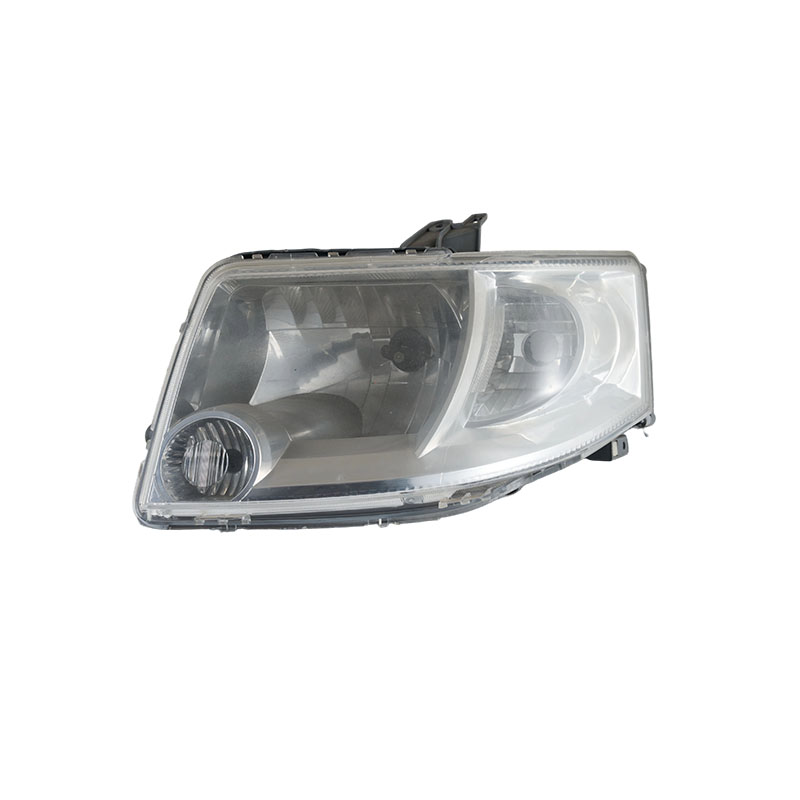
- Front Lighting (Headlights): These require complex, multi-cavity tools to produce clear lenses with integrated micro-optics for adaptive driving beams.
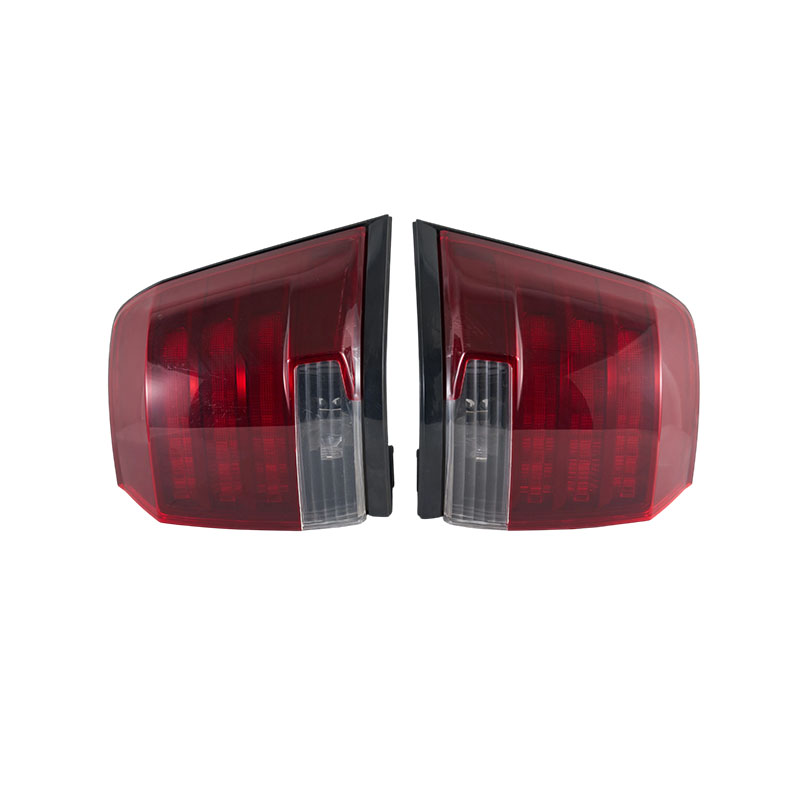
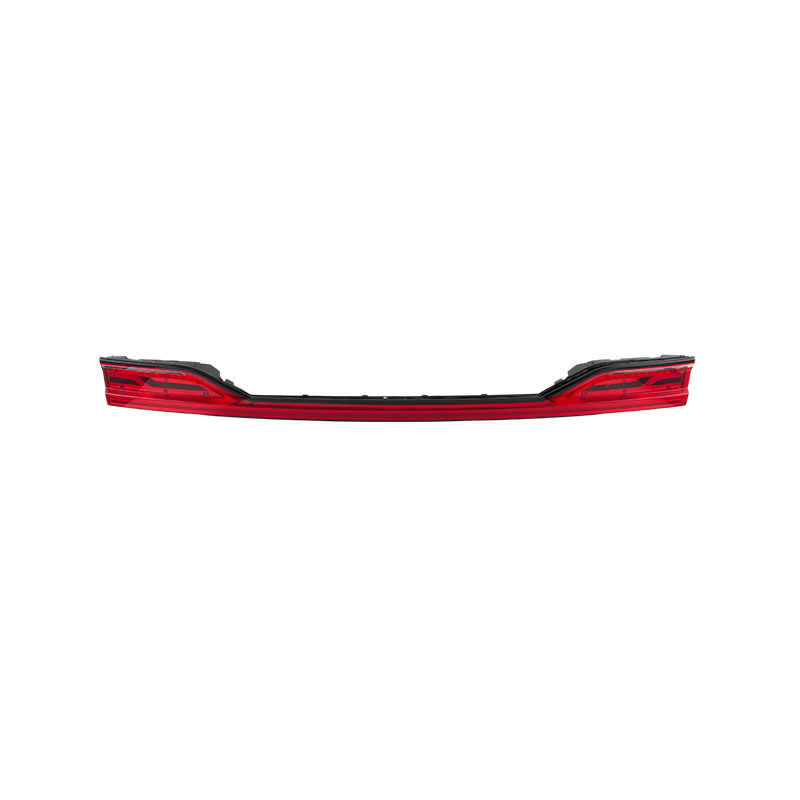
- Rear Lighting (Tail Lamps): Often involves light-guide technology. Producing these requires an Auto Light Mold that can handle intricate geometries to diffuse light uniformly across curved surfaces.
- Interior Ambient Lighting: Focuses on thin-walled, aesthetically perfect light bars that require high-polish mold finishes to ensure a premium look.
Comparison: Standard vs. Precision Optical Moulds
To help procurement teams make informed decisions, we have compared standard injection molds with precision lighting molds:
| Feature |
Standard Injection Mould |
Precision Car Lamp Mould |
| Tolerance |
General tolerance (±0.05mm) |
High precision (±0.005mm) |
| Surface Finish |
Standard polish (SPI B2) |
Optical-grade polish (Mirror finish) |
| Material Usage |
General-purpose plastics |
Optical-grade PC/PMMA/ABS |
| Primary Goal |
Cost efficiency & mass output |
Optical performance & aesthetic perfection |
| Regulatory Risk |
Low (non-safety parts) |
High (FMVSS/ECE photometric compliance) |
Investing in high-quality tooling is an investment in vehicle safety and brand reputation. Whether you are developing next-generation matrix LEDs or interior trim components, your Car Light Mould serves as the blueprint for your product's success. By prioritizing optical precision, thermal durability, and advanced mold design, manufacturers can ensure that their products not only meet but exceed the rigorous demands of the global automotive market.
Whether you are developing next-generation matrix LEDs or interior trim components, your Car Light Mould serves as the blueprint for your product's success. When selecting a manufacturing partner, prioritize those who offer comprehensive mold flow analysis, advanced steel selection, and a proven track record in photometric compliance. By focusing on optical precision, thermal durability, and advanced mold design today, your team can ensure that your products not only meet but exceed the rigorous, ever-evolving demands of the global automotive market.

 English
 中文简体
中文简体 русский
 عربى
عربى