English
 中文简体
 русский
 عربى
Plastic components are widely used in modern trucks, including dashboard panels, interior trims, front grilles, storage compartments, and exterior covers. These parts need to meet specific requirements for appearance, dimensional accuracy, structural strength, and assembly compatibility. However, producing large automotive plastic components can present challenges such as warping, uneven shrinkage, sink marks, and inconsistent dimensions. For truck manufacturers and automotive parts suppliers, these problems can increase production adjustments and affect assembly efficiency. A well-engineered Truck Injection Mold helps address these challenges through careful structural design, material selection, and process optimization.
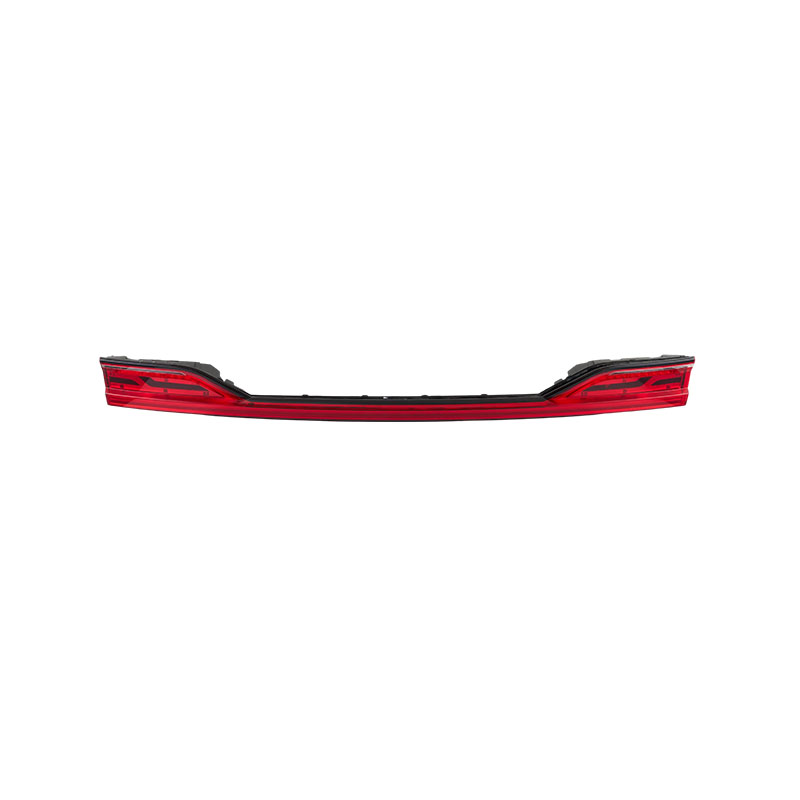
Why Are Large Truck Plastic Parts Difficult to Mold?
Compared with smaller plastic components, truck parts often have larger surface areas and more complex geometries. Some components also include ribs, mounting points, clips, and reinforcing structures that must fit precisely with other vehicle parts.
These design features can create uneven material flow and cooling conditions during injection molding. If the mold structure is not properly designed, different sections of a component may shrink at different rates, resulting in dimensional deviations or visible deformation.
For manufacturers, understanding the component's geometry and assembly requirements before mold development is essential. Early design evaluation can help identify potential molding difficulties before steel processing begins.
How Does Cooling System Design Affect Part Quality?
Cooling is one of the most important considerations in automotive injection mold engineering. Molten plastic needs to cool and solidify under controlled conditions before the component can be ejected.
When cooling is uneven, certain areas may remain hotter than others. This can contribute to differential shrinkage, warping, and longer molding cycles.
An effective cooling system should consider:
- The location and arrangement of cooling channels.
- Differences in wall thickness across the component.
- Heat accumulation around ribs and mounting structures.
- The accessibility of cooling channels for maintenance.
- The temperature distribution throughout the mold.
For large truck plastic parts, cooling system design should be evaluated alongside the component structure rather than treated as a separate manufacturing detail.
Why Should Wall Thickness Be Reviewed Before Mold Manufacturing?
Inconsistent wall thickness is another common source of injection molding difficulties. Thick sections may cool more slowly than thinner areas, potentially creating sink marks, internal stress, and uneven shrinkage.
During the design stage, engineers can review the component geometry and identify areas that may require adjustment.
For example, maintaining more uniform wall thickness where practical, optimizing rib proportions, and reviewing transitions between thick and thin sections can improve material flow and cooling consistency.
Mold manufacturers can also use Design for Manufacturing (DFM) analysis to discuss potential improvements with customers before finalizing the mold structure. This collaborative process helps reduce avoidable design changes during later production stages.
What Role Does Mold Flow Analysis Play?
For complex truck components, relying entirely on previous production experience may not be sufficient. Mold flow analysis provides engineers with a way to evaluate how molten plastic may behave inside the mold before actual manufacturing.
Depending on the project, simulation can help assess:
- Gate location and material filling patterns.
- Potential air traps and weld line positions.
- Pressure distribution during filling.
- Cooling behavior and predicted shrinkage.
- Potential warpage risks.
These results provide useful references for mold design adjustments. However, simulation is not a substitute for physical mold trials. Actual material characteristics, processing conditions, and production equipment can all influence the final result.
Why Are Mold Trials Important Before Mass Production?
A completed mold still needs to be tested under actual molding conditions. Trial production allows engineers to examine filling performance, part appearance, dimensional accuracy, and ejection behavior.
If defects appear, the team can investigate whether they originate from mold geometry, cooling conditions, material selection, or processing parameters.
For truck plastic components, trial evaluation should pay particular attention to mounting dimensions and interfaces with neighboring parts. A component that looks acceptable on its own may still create assembly difficulties if critical dimensions are outside the required tolerances.
Manufacturers should therefore establish clear inspection criteria with customers before approving the mold for mass production.
How Should Buyers Evaluate a Truck Injection Mold Manufacturer?
For overseas automotive buyers, selecting a mold supplier involves more than comparing quotations. Engineering experience, machining capabilities, project communication, and after-sales support all influence the development process.
Before placing an order, buyers should review:
- Experience with large automotive plastic components.
- Mold design and DFM support capabilities.
- CNC machining, EDM, and mold fitting processes.
- Mold steel selection and expected maintenance requirements.
- Trial molding and dimensional inspection procedures.
- Technical support for mold adjustments and future modifications.
Clear communication about drawings, materials, production targets, and quality expectations can help both parties avoid unnecessary delays.
Building Better Truck Components Through Precision Mold Engineering
As truck manufacturers continue to develop vehicle interiors and exterior components with more complex shapes and functional requirements, injection mold engineering remains an important part of automotive production. Reducing warpage and dimensional variation requires coordination between component design, mold structure, cooling systems, material behavior, and trial validation.
As a manufacturer, we believe that every Truck Injection Mold project should begin with understanding the actual component requirements and intended production conditions. Through careful engineering evaluation, appropriate mold construction, and systematic testing, manufacturers can help customers develop plastic components that fit their assembly requirements and support consistent production.