English
 中文简体
 русский
 عربى
Plastic components are widely used in modern trucks, from interior panels and storage compartments to exterior trim and functional covers. These parts often need to combine dimensional accuracy, practical strength, consistent appearance, and compatibility with vehicle assembly requirements. Producing them in volume places considerable demands on mold design and manufacturing. When sourcing a Truck Injection Mold, automotive manufacturers and overseas buyers should look beyond the initial mold quotation and evaluate how the tooling will handle part geometry, material behavior, production efficiency, and long-term maintenance.
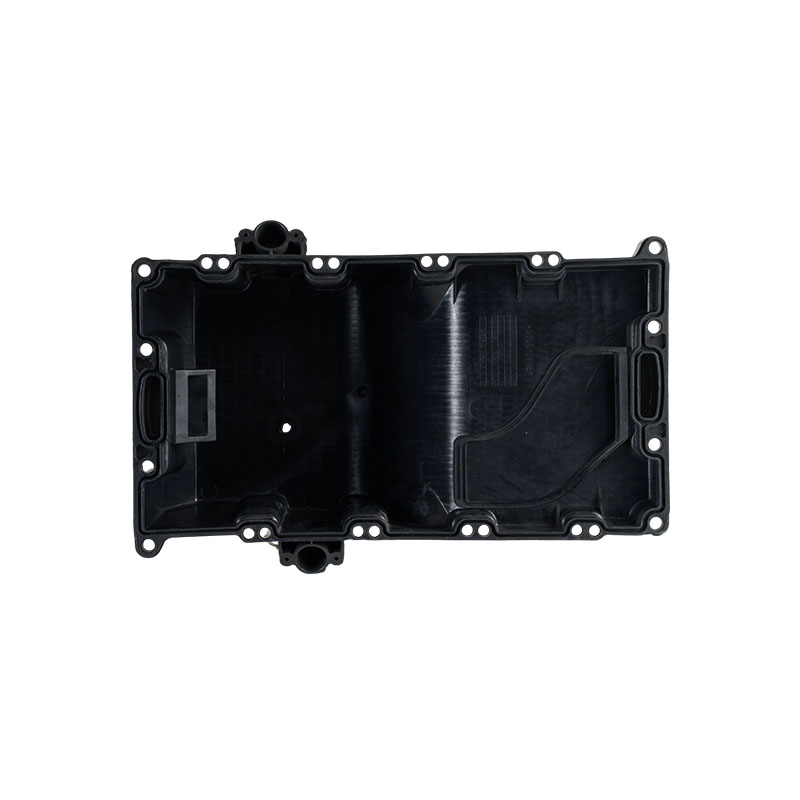
Part Geometry Should Guide the Mold Design
Truck plastic components can have large surface areas, ribs, mounting points, clips, and varying wall thicknesses. These features influence how molten plastic fills the cavity and how the part behaves during cooling.
A mold designed without sufficient attention to the component geometry may create filling difficulties, uneven shrinkage, or deformation. Mold engineers should review the part drawing and identify areas that require careful attention, including deep sections, sharp transitions, thin walls, and complex assembly features.
Early design evaluation also helps buyers identify potential tooling challenges before manufacturing begins. Reviewing the part structure with the mold supplier can reduce unnecessary design changes later in the project.
Prevent Warpage Through Better Cooling Design
Warpage is a common concern when producing large injection-molded plastic parts. Differences in cooling rates across the component can cause uneven shrinkage, affecting flatness and dimensional consistency.
Cooling channel layout therefore deserves careful consideration. The channels should be planned according to the part geometry, wall thickness, and expected heat distribution. A suitable cooling arrangement helps the mold manage temperature more consistently throughout the production cycle.
For truck components with broad surfaces, engineers should pay particular attention to areas where thickness changes or structural ribs may influence cooling behavior. Mold flow analysis and trial molding can help identify potential issues before production parameters are finalized.
Select the Right Steel and Mold Structure
Mold material selection should reflect the expected production volume, plastic material, part complexity, and working conditions. The mold structure must also provide sufficient support during repeated injection and clamping operations.
For large truck injection molds, important considerations include:
- Mold base strength and structural rigidity
- Cavity and core material suitability
- Wear resistance in frequently used areas
- Surface finish requirements for visible components
- Ease of access for maintenance and replacement
These factors influence tooling investment and future production planning. Buyers should discuss the expected application and production requirements with the manufacturer before confirming the mold specification.
Gate and Venting Design Affect Part Quality
Gate location influences how plastic enters the cavity, while venting allows trapped air to escape during filling. Poorly planned gating may contribute to uneven filling, visible flow marks, or weld lines in sensitive areas. Insufficient venting can also create defects, particularly in sections where air becomes trapped.
The best arrangement depends on the component's shape, material, appearance requirements, and injection conditions. Engineers need to consider both the final part quality and the practical requirements of the molding process.
For visible truck interior or exterior parts, gate positions should also be reviewed in relation to cosmetic surfaces and post-molding assembly.
Trial Molding Helps Verify Design Decisions
A completed mold still needs to be tested under suitable production conditions. Trial molding allows the manufacturer and customer to evaluate filling behavior, dimensional accuracy, surface appearance, and part release.
If problems appear, adjustments may involve processing parameters, venting, cooling, or local mold modifications. A structured trial process helps distinguish between issues caused by tooling design and those related to molding conditions.
Buyers should clarify how samples are evaluated, which dimensions are critical, and how feedback will be handled before the mold enters mass production.
Plan for Maintenance and Repeat Production
Truck components may remain in production for extended periods, making mold maintenance an important part of the purchasing decision. Wear, contamination, corrosion, and damage to moving components can affect production consistency if they are not addressed.
A practical maintenance plan should cover regular cleaning, inspection of the parting surface, lubrication of moving components, and checks of cooling channels and ejector systems. Buyers should also ask whether replacement components and technical support will be available when needed.
Clear maintenance arrangements help manufacturers and customers manage tooling over its working life rather than focusing only on initial delivery.
Choose a Mold Manufacturer That Understands Production Needs
A suitable Truck Injection Mold is developed through coordination between product design, mold engineering, machining, trial molding, and quality inspection. Each stage influences whether the finished tooling can produce parts that meet the required dimensions and appearance.
As a mold manufacturer, the focus should be on understanding the component's actual function, material, production volume, and assembly requirements before finalizing the tooling design. For overseas truck manufacturers and automotive parts buyers, working closely with an experienced mold supplier can help address design risks early, improve production preparation, and establish a more reliable foundation for manufacturing large plastic truck components.