Precision Engineering: The Future of Truck Injection Molding and Automotive Components
The automotive landscape is shifting rapidly. As manufacturers prioritize fuel efficiency, weight reduction, and modular design, Automotive Plastic Injection Moulding has become the backbone of modern vehicle production. Whether you are developing components for passenger vehicles or commercial fleets, understanding the nuances of the molding process is critical for quality control and long-term durability.
Defining the Process: Precision in Plastic
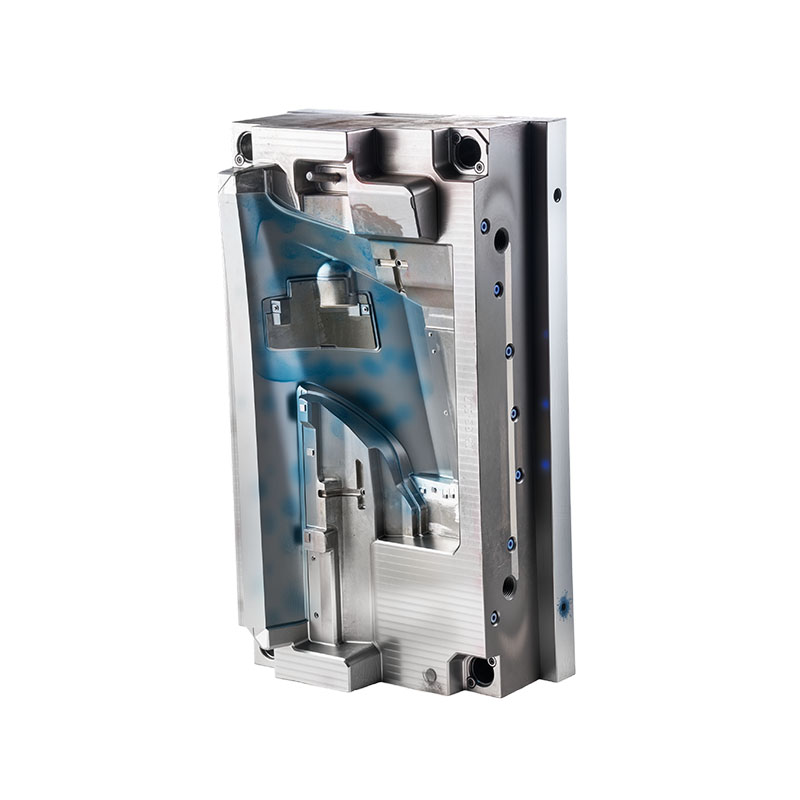
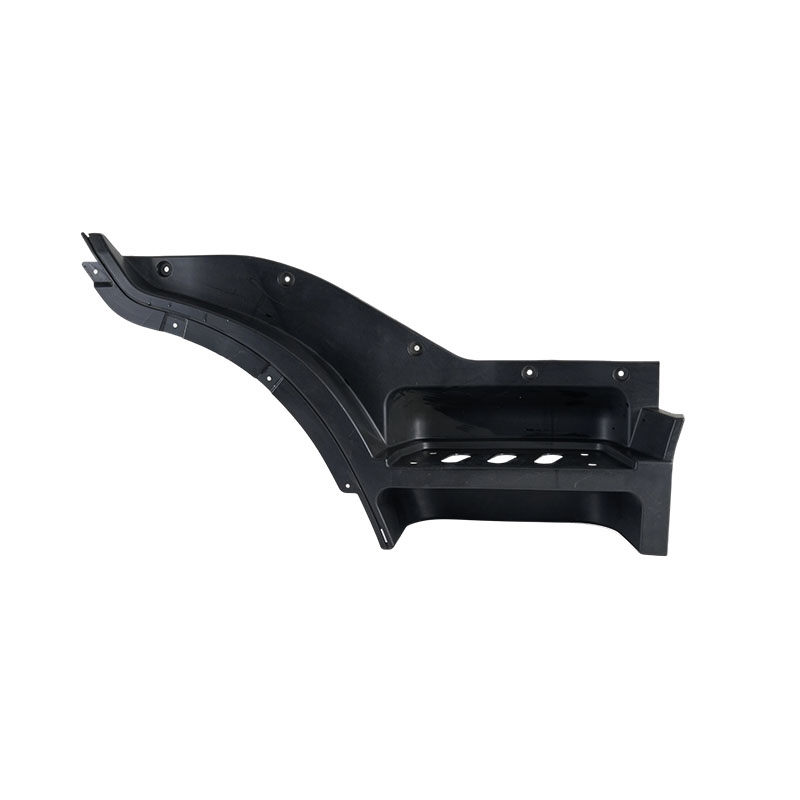
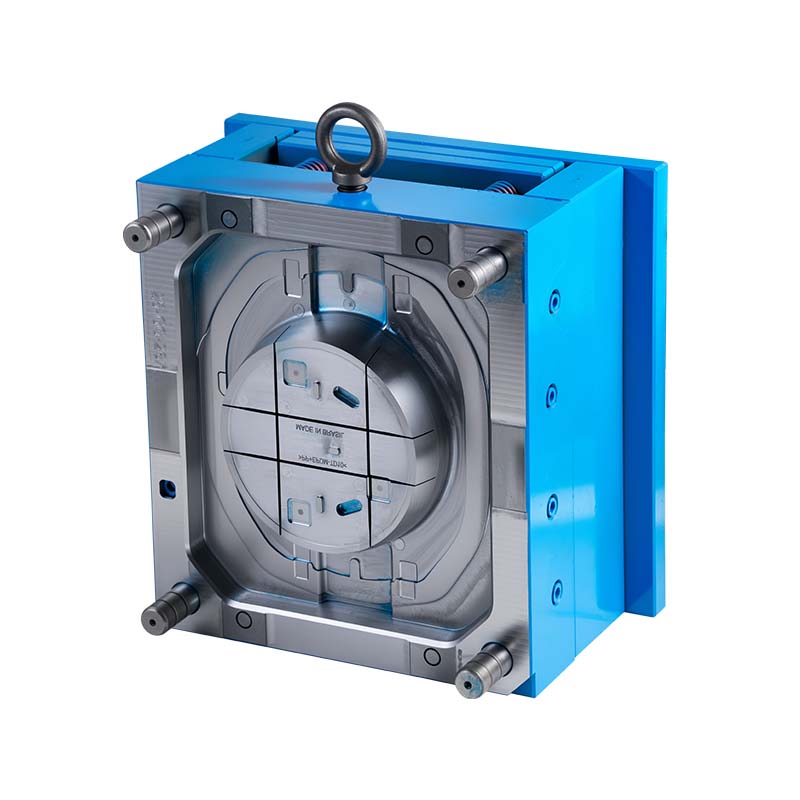
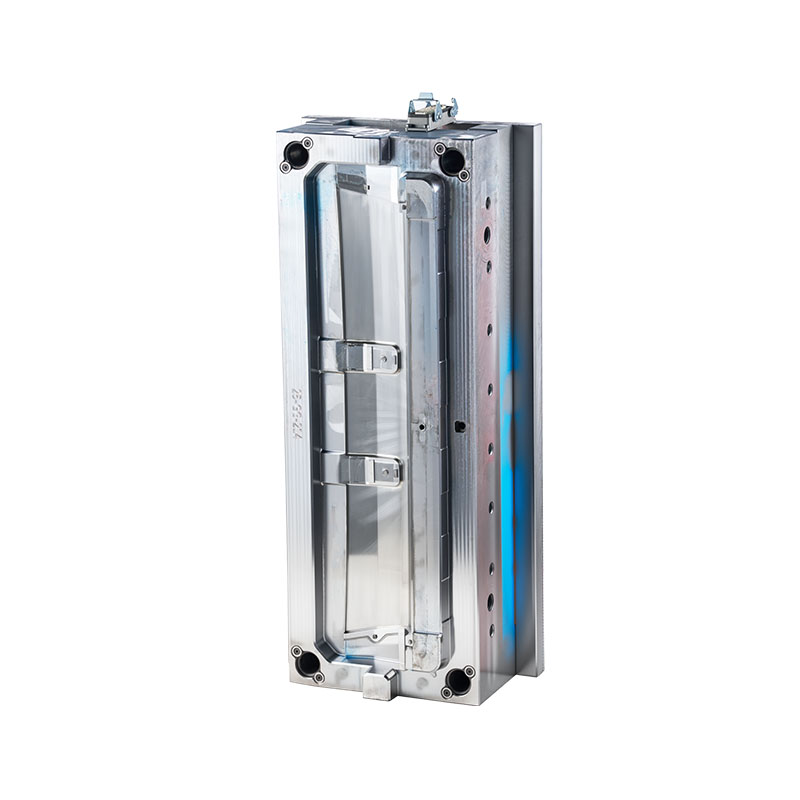
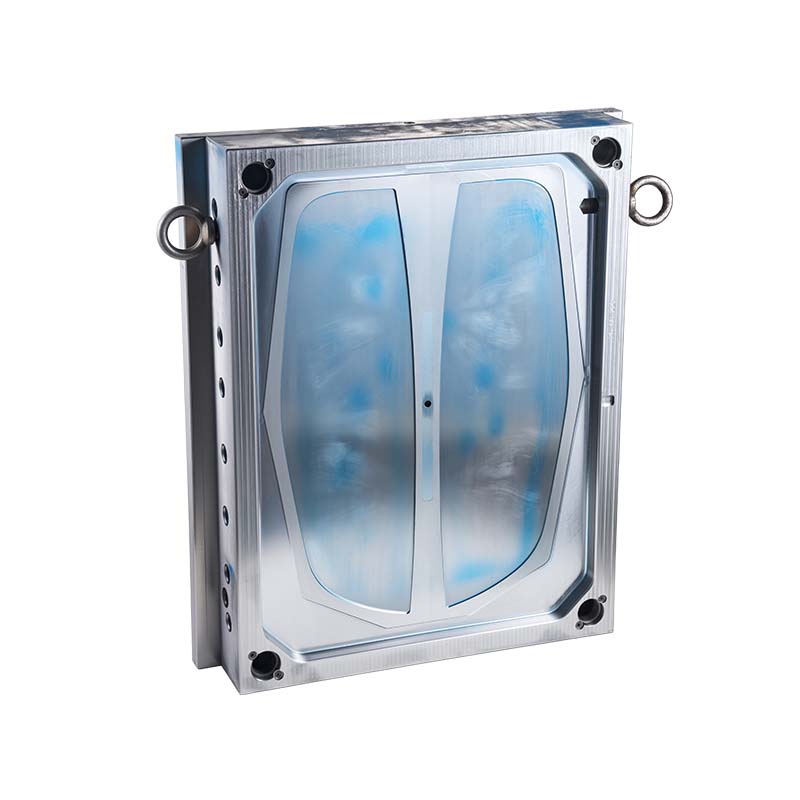
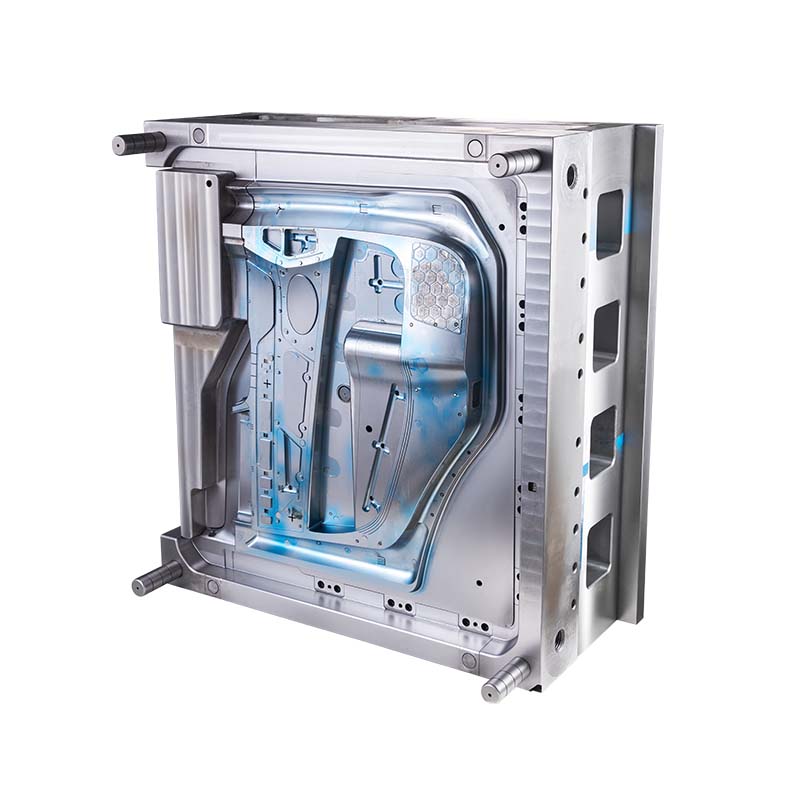
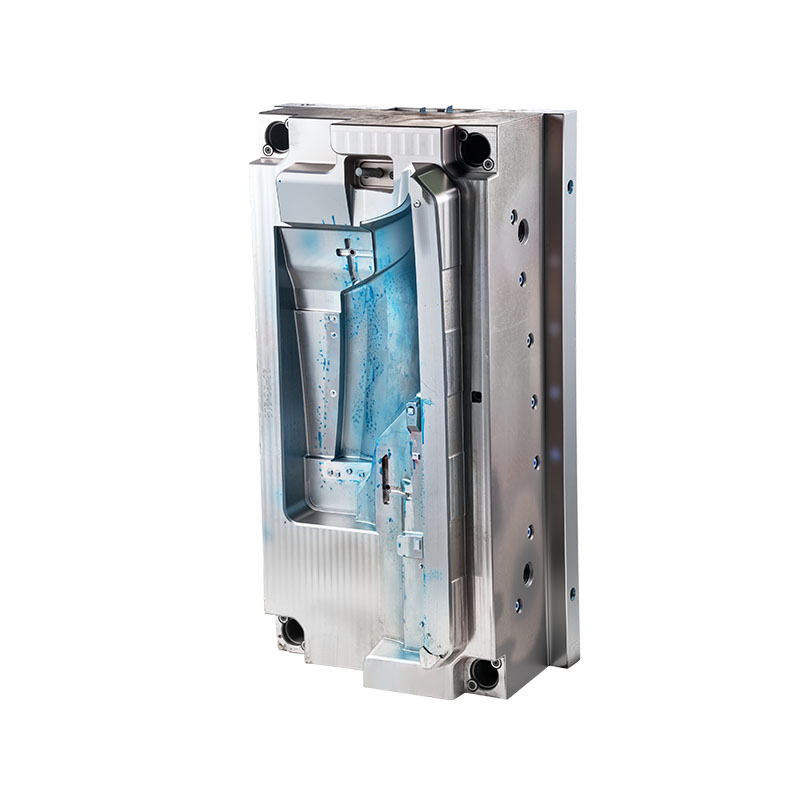
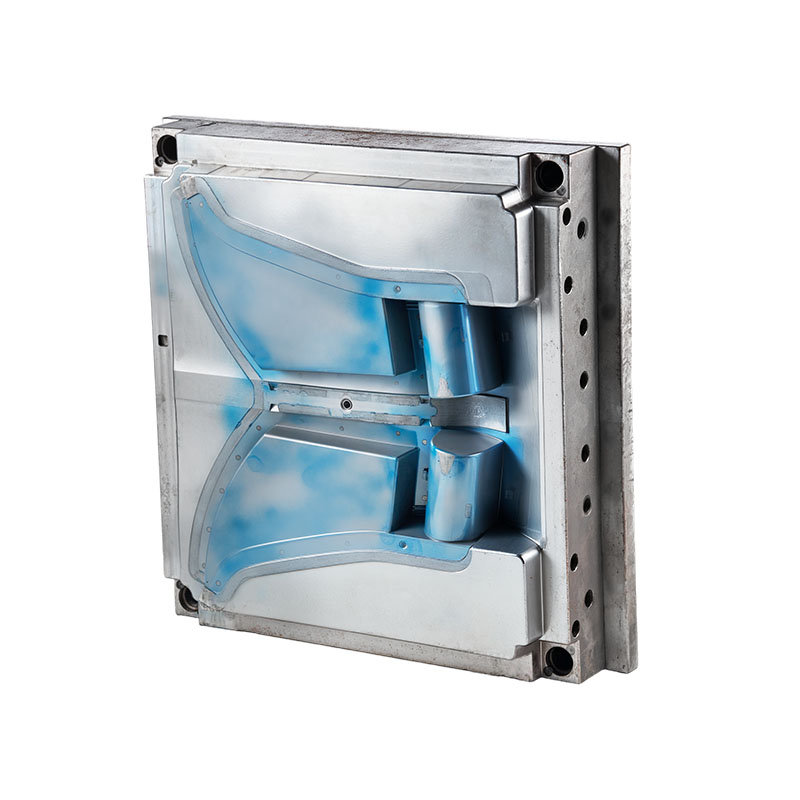
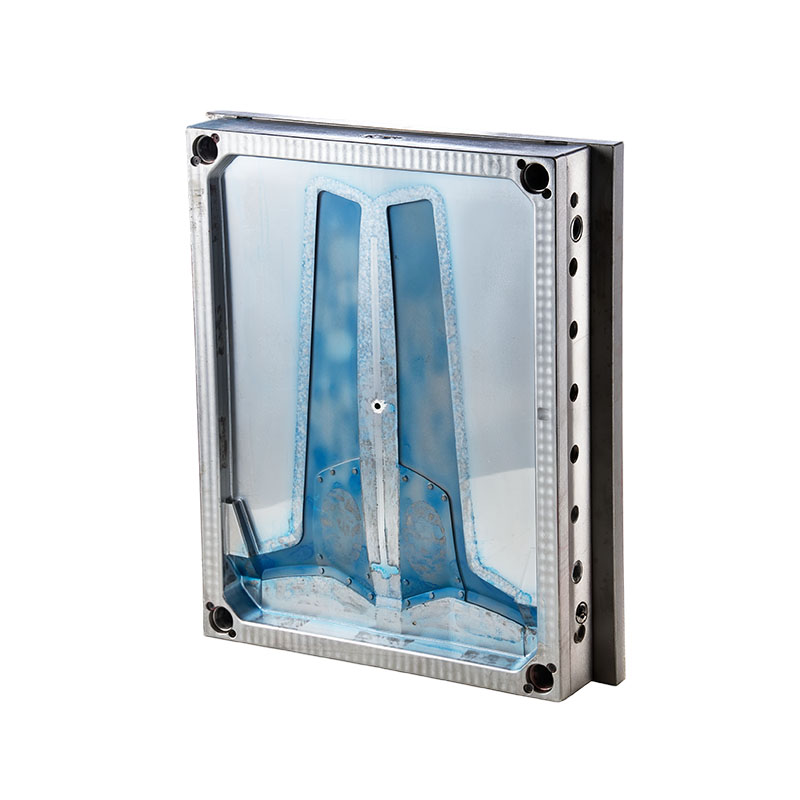
At its core, a Truck Injection Mold is a highly engineered cavity system designed to withstand extreme pressure and heat. The process involves injecting molten thermoplastic resin into a precision-machined mold under high pressure. Once cooled, the material solidifies into the required shape, forming consistent molding parts that meet tight tolerance standards.
For engineers, the challenge lies not just in the injection itself, but in the thermal management and venting of the tool. A well-designed Injection Mould For Truck components must account for material shrinkage, gate placement, and ejection force to ensure that large-scale parts—like bumpers or interior panels—do not warp or suffer from structural defects.
In the heavy-duty sector, material selection is non-negotiable. ABS Plastic Injection Molding remains a preferred choice for many automotive engineers due to its unique balance of properties. ABS (Acrylonitrile Butadiene Styrene) offers:
- High Impact Resistance: Crucial for components exposed to road debris or vibration.
- Dimensional Stability: It maintains its shape under varying thermal conditions.
- Versatility: It can be easily painted, textured, or chrome-plated to meet aesthetic requirements.
When producing a Heavy Duty Truck Mould, the focus is on maximizing the rigidity of these ABS components. Unlike lighter passenger car parts, truck components often require thicker wall sections and reinforced ribs to handle the structural demands of high-mileage commercial operation.
Application Scenarios: From Cabin to Chassis
The versatility of Mold In Plastic technology allows for a diverse range of applications. In the modern automotive industry, we see the integration of complex plastic components replacing traditional metal parts in several key areas:
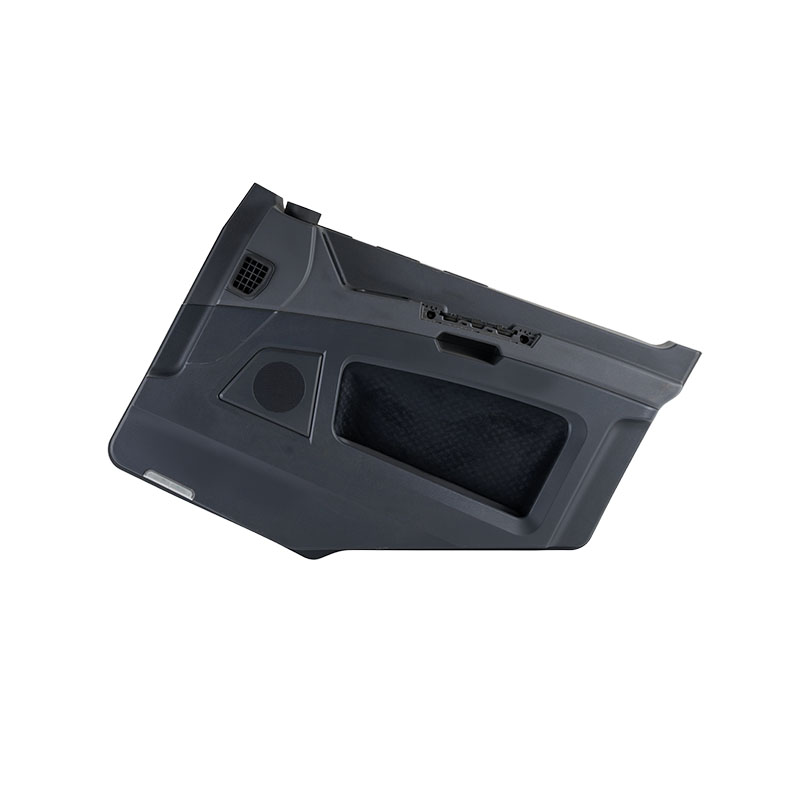
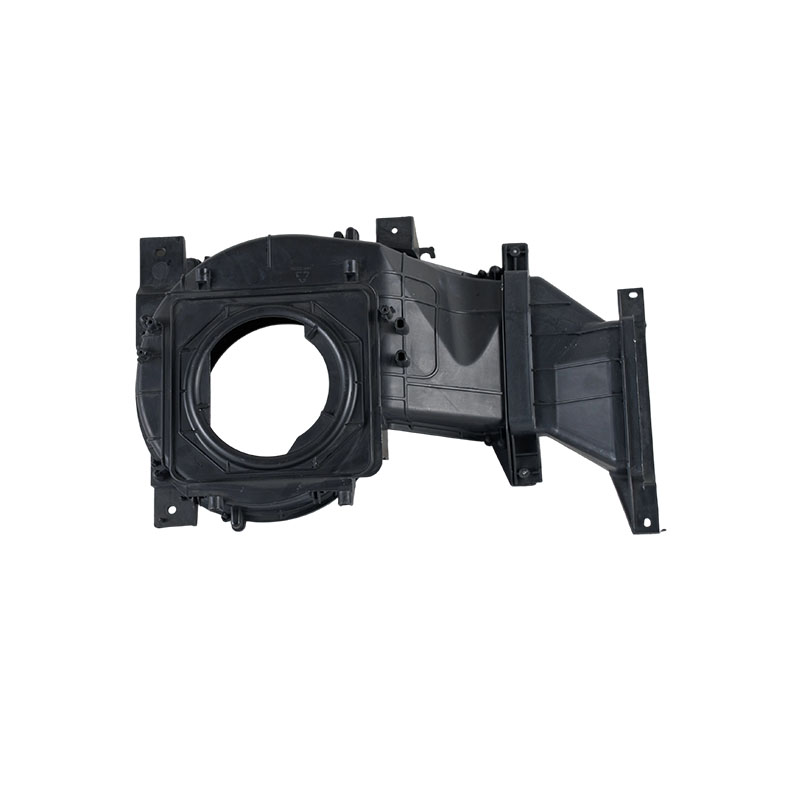
- Interior Assemblies: Dashboards, door panels, and HVAC housing utilize high-precision molds to ensure snap-fit assembly.
- Exterior Trim: Front grilles, mirror housings, and wheel arches require UV-resistant materials and specialized surface finishes.
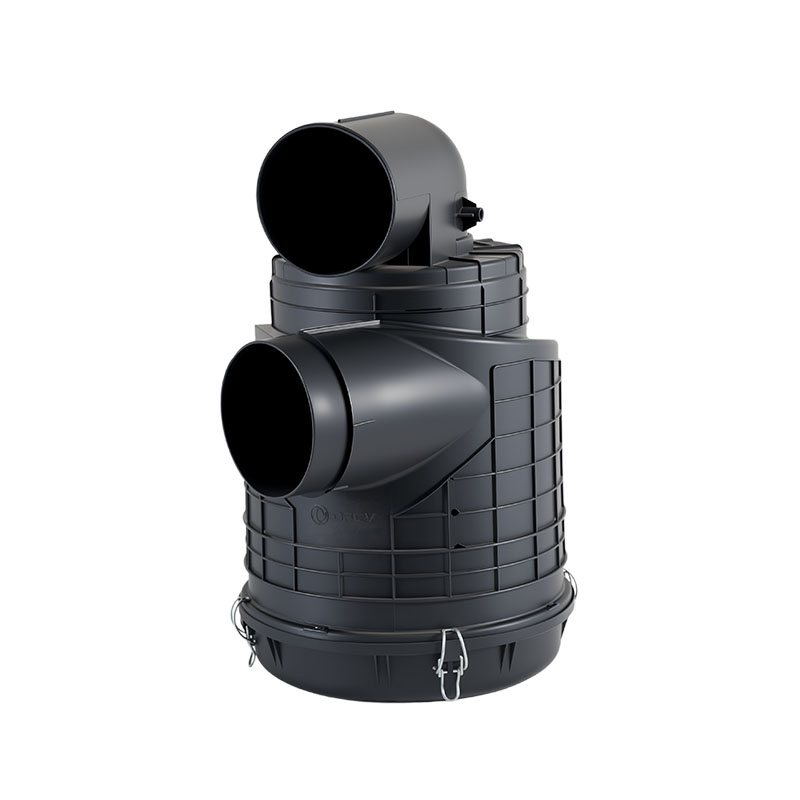
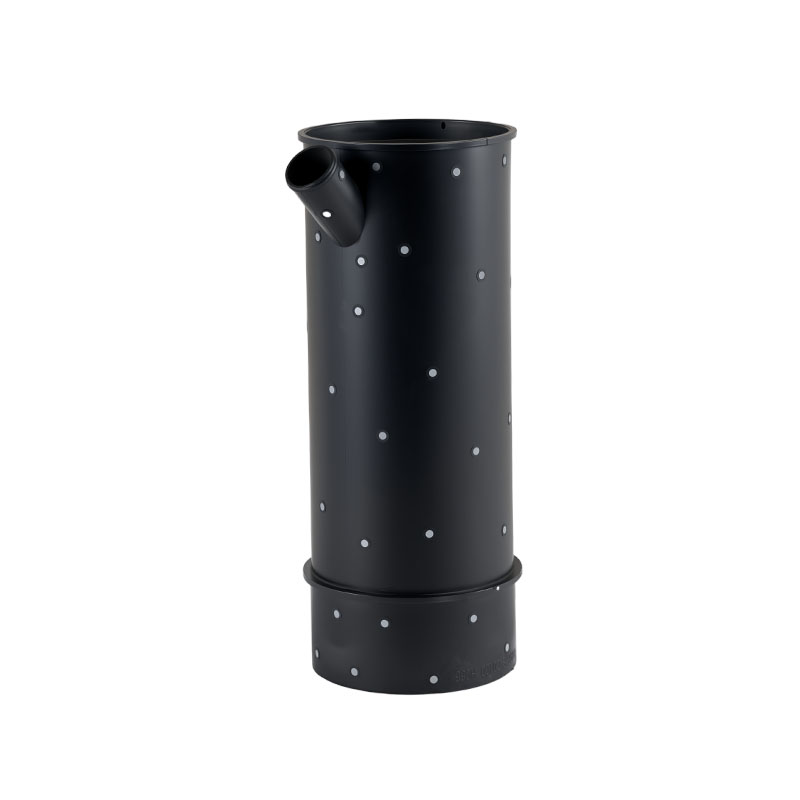
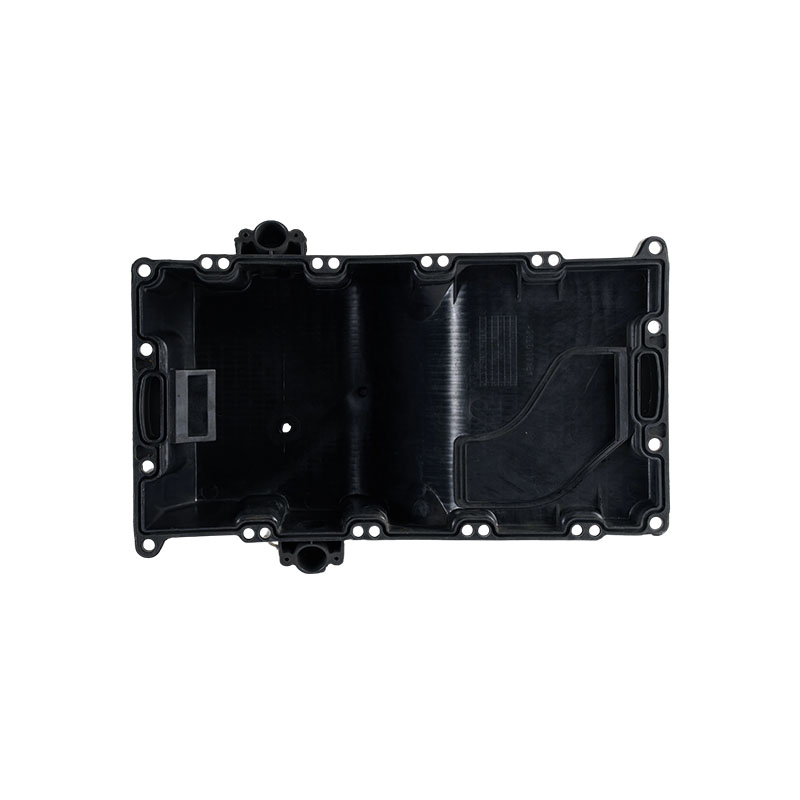
- Under-the-Hood: Functional components like fan shrouds and fluid reservoirs require heat-stabilized plastics that can withstand engine bay temperatures.
Whether you are producing a Car Truck Injection Mould for a smaller utility vehicle or a large-scale tool for long-haul trucks, the ability to create complex geometries in a single shot significantly reduces assembly time and total part count.
Comparative Analysis: Traditional Methods vs. Modern Injection Molding
Choosing the right manufacturing path requires balancing volume, cost, and structural requirements. Below is a breakdown of how modern injection molding compares to traditional metal casting or machining for automotive parts.
| Feature |
Injection Molding (ABS) |
Traditional Metal Machining |
| Weight |
Significant reduction |
Heavy |
| Cycle Time |
Rapid (High-volume capability) |
Slow |
| Complexity |
High (Complex internal geometries) |
Limited (Requires multiple setups) |
| Tooling Cost |
High initial investment |
Moderate |
| Surface Finish |
Excellent (Texturing in-mold) |
Requires secondary coating |
Strategic Considerations for Manufacturers
When commissioning a new project, the collaboration between the product designer and the mold maker is paramount. A Truck Injection Mold is a long-term asset. Optimizing for "Design for Manufacturing" (DFM) early in the development phase can prevent costly modifications later.
Look for partners who understand the specific contraction rates of engineered resins. If you are developing a Heavy Duty Truck Mould, ensure that the cooling channels are optimized to reduce cycle times, as this is the most effective way to lower the "per-part" cost over the life of the tool.
Ultimately, successful automotive plastic manufacturing is about reliability. By leveraging high-quality materials like ABS and utilizing advanced mold simulation software, manufacturers can ensure that every part—from a small plastic clip to a large structural dashboard—performs under the rigorous conditions of the road.

 English
 中文简体
中文简体 русский
 عربى
عربى