English
 中文简体
中文简体 русский
 عربى
عربىAs the automotive industry shifts toward lightweight materials, electric vehicle platforms, and higher-precision interior and exterior components, demand for reliable tooling and stable production has increased significantly. A Car Truck Injection Mould is now a critical part of manufacturing systems used for dashboards, bumpers, door panels, structural trims, and functional plastic components across passenger and commercial vehicles. At the same time, global buyers searching for an Auto Mold Maker are focusing less on basic tooling capacity and more on engineering capability, dimensional accuracy, material flow simulation, and long-term mold stability. Recent procurement discussions across automotive supply chains show rising interest in automotive plastic injection molds for EV components, high-precision truck interior molds, and multi-cavity automotive molding solutions, reflecting a broader shift toward performance-driven and cost-efficient production systems.
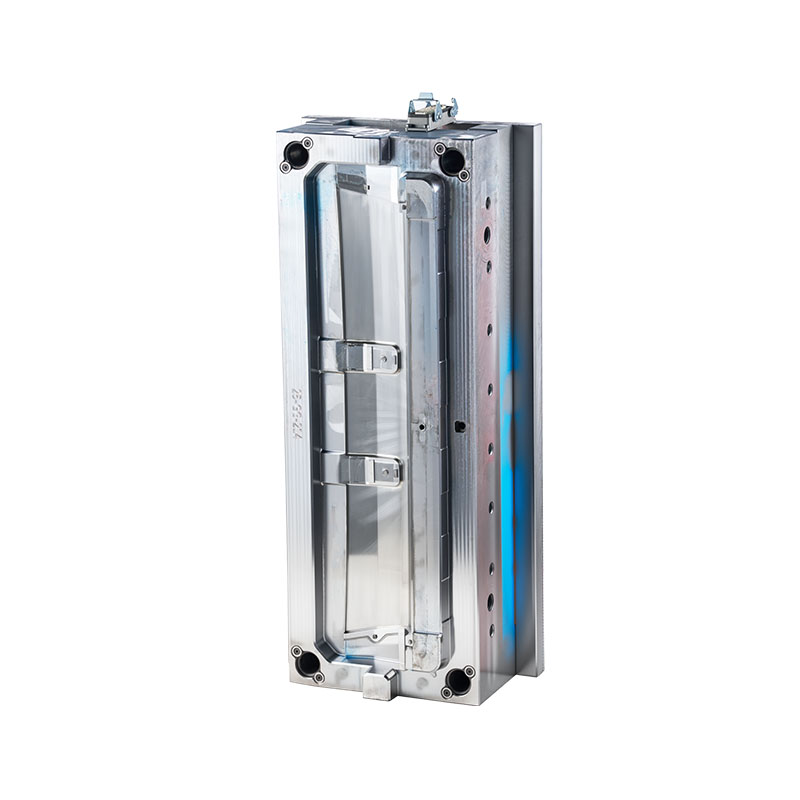
Lightweight Vehicle Design Is Reshaping Mold Requirements
One of the strongest trends in automotive manufacturing is the push toward lightweight structures to improve fuel efficiency and extend electric vehicle range. This shift directly impacts injection mold design, as thinner walls, complex geometries, and reinforced plastic structures become more common.
Engineers now evaluate mold designs based on:
- Material flow optimization for thin-wall parts
- Reduced cycle time for mass production efficiency
- Structural reinforcement without increasing weight
- Compatibility with engineering plastics such as ABS, PP, and PA6
- Thermal stability during continuous production cycles
These requirements are driving higher demand for precision-engineered molds that can maintain consistent performance under high-volume production conditions.
EV and Smart Cabin Components Increase Design Complexity
Electric vehicles and smart cockpit systems are introducing more complex interior components that require tighter tolerances and multi-functional design integration. This includes integrated dashboard panels, sensor housings, and modular interior structures.
As a result, buyers frequently search for:
- EV interior injection molding solutions
- Automotive multi-material molding systems
- Precision dashboard and console molds
- Integrated sensor housing tooling
The growing complexity of these components places greater importance on mold design accuracy and simulation before mass production begins.
Mold Durability Directly Impacts Production Cost
In high-volume automotive production, mold lifespan is directly linked to manufacturing efficiency and cost control. A poorly designed mold can lead to frequent maintenance downtime, inconsistent part quality, and production delays.
To ensure long-term performance, manufacturers focus on:
- High-hardness steel selection for core components
- Precision heat treatment for wear resistance
- Optimized cooling channel design for cycle stability
- Surface treatment to reduce friction and corrosion
- Structural reinforcement in high-stress areas
These engineering decisions help extend mold service life and improve production stability across long manufacturing runs.
Engineering Simulation Reduces Development Risk
Modern automotive mold development increasingly relies on digital simulation before physical tooling begins. This helps identify potential issues such as shrinkage, warping, or uneven material flow.
Common pre-production analyses include:
- Mold flow simulation for plastic distribution
- Thermal analysis for cooling efficiency
- Stress testing for structural integrity
- Gate positioning optimization for surface quality
By identifying potential defects early, manufacturers can reduce trial-and-error costs and shorten development cycles.
Precision Manufacturing Defines Final Product Quality
Even with advanced design and simulation, final mold quality depends on machining precision and assembly control. CNC machining accuracy, EDM finishing, and polishing processes all contribute to final performance.
As a manufacturer, we focus on:
- High-precision CNC machining for core cavities
- EDM processing for complex geometries
- Manual and automated polishing for surface finish
- Strict dimensional inspection at each stage
- Trial molding validation before shipment
This ensures stable production performance when molds are used in real automotive manufacturing environments.
Buyers Are Prioritizing Long-Term Engineering Support
Automotive clients increasingly evaluate suppliers based on technical support and long-term collaboration rather than one-time tooling delivery. Engineering communication has become a key factor in supplier selection.
Customers often request:
- 3D mold design and product analysis support
- DFM (Design for Manufacturability) evaluation
- Prototype trial assistance
- Continuous improvement recommendations
- After-sales technical troubleshooting
This shift highlights the importance of choosing a partner that can support the full product lifecycle.
From Tool Supplier to Manufacturing Partner
The role of mold suppliers is evolving from simple tooling providers to long-term engineering partners. Automotive OEMs and Tier 1 suppliers now expect collaboration throughout product design, tooling development, and mass production phases.
As a professional manufacturer, we work closely with automotive engineers, component suppliers, and production teams to ensure every project meets strict performance and dimensional requirements. Whether developing new EV components or optimizing existing vehicle parts, choosing an experienced Auto Mold Maker ensures that every Car Truck Injection Mould delivers the precision, durability, and consistency required in modern automotive manufacturing systems.