English
 中文简体
 русский
 عربى
For truck manufacturers and automotive component suppliers, mold delivery time directly affects product development schedules and production planning. A delayed mold project can postpone sample approval, disrupt component testing, and create uncertainty for subsequent manufacturing arrangements. However, not every delay comes from machining. Unclear drawings, late design changes, material confirmation issues, and repeated trial adjustments can also extend the development process. When sourcing a Truck Injection Mold, buyers should pay attention to the entire project workflow rather than evaluating delivery time as an isolated quotation item.
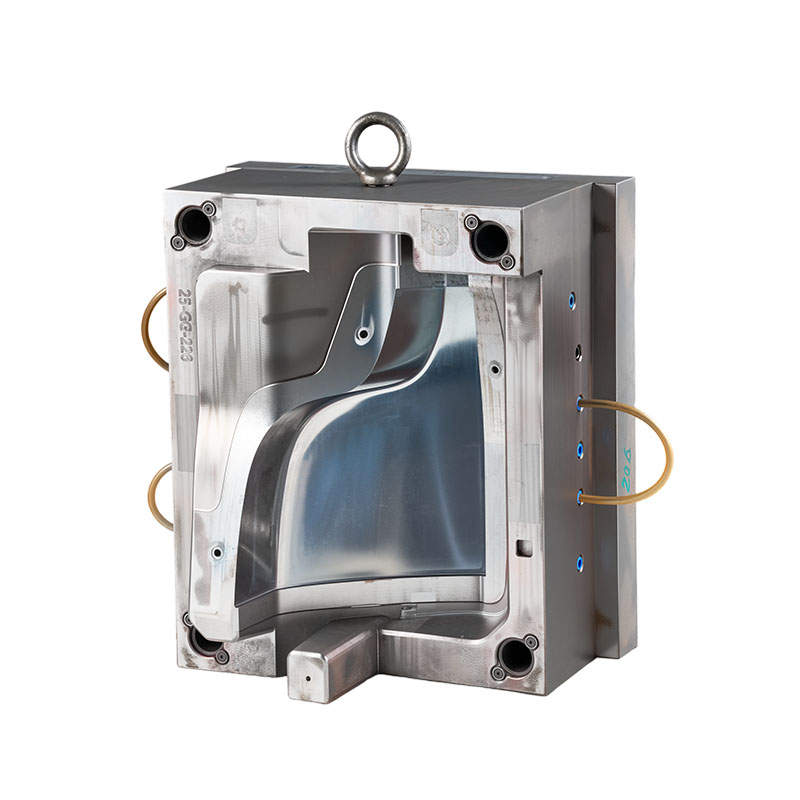
Incomplete Product Information Can Slow Down Mold Development
Mold manufacturing begins with understanding the plastic component and its intended application. If important information is missing, engineers may need additional discussions before confirming the tooling structure.
For example, a truck dashboard panel may involve mounting points, surface textures, assembly interfaces, and dimensional requirements that influence mold design. Without complete drawings or clear technical specifications, assumptions made during the early stages may lead to modifications later.
Buyers should prepare 3D models, 2D drawings, material grades, appearance requirements, and relevant tolerance information before requesting a quotation. Providing details about the expected production conditions also helps manufacturers evaluate the tooling requirements more accurately.
Why Is DFM Review Important Before Manufacturing?
Design for Manufacturing (DFM) review is an important communication stage between buyers and mold engineers. It helps identify potential production difficulties before mold construction begins.
During this process, engineers may review wall thickness, draft angles, gate locations, parting lines, undercuts, and ejection arrangements. For large truck plastic components, these details can influence mold complexity, machining requirements, and final product quality.
A useful DFM review should explain potential design risks and provide practical recommendations. Buyers should have an opportunity to discuss proposed changes and confirm the final design before the project moves into detailed mold manufacturing.
Design Changes Can Affect the Entire Production Schedule
Late modifications are a common source of project delays. Even a relatively small change to a mounting position or component geometry may affect cavity machining, sliders, inserts, cooling arrangements, or other mold structures.
To reduce unnecessary rework, both parties should establish a clear design approval process.
- Confirm the latest product drawings and 3D model.
- Review critical dimensions and assembly interfaces.
- Approve the mold structure before machining.
- Record any changes made after design confirmation.
- Evaluate the impact of modifications on cost and delivery time.
This approach gives engineering and production teams a consistent reference throughout the project.
How Does Manufacturing Coordination Influence Lead Time?
After design approval, mold development moves through several processes, including material preparation, CNC machining, EDM, fitting, assembly, and trial preparation.
The sequence and coordination of these activities influence the overall schedule. Some operations may be arranged in parallel, while others depend on the completion and inspection of earlier stages.
For buyers, it is useful to request a project schedule that identifies major milestones rather than relying only on a general delivery estimate. Progress updates at important manufacturing stages also help overseas customers plan sample evaluation, logistics, and production preparation.
Why Should Trial Molding Be Included in the Project Plan?
Completing the mold does not automatically mean that the component is ready for mass production. Trial molding is necessary to evaluate how the mold performs under actual processing conditions.
During the trial stage, engineers can examine filling behavior, part appearance, dimensional accuracy, ejection performance, and assembly compatibility. If adjustments are required, the team can identify the relevant issues and determine whether they involve mold structure or processing parameters.
For truck components, particular attention should be given to mounting features and interfaces with neighboring parts. Clear sample approval criteria can prevent disagreements and unnecessary delays during project handover.
What Should Buyers Include in a Mold Delivery Agreement?
A clear agreement helps both the customer and manufacturer understand their responsibilities. Besides the expected delivery date, buyers should confirm the technical and commercial details of the project.
Important items include:
- Final mold design and approved product drawings.
- Mold steel and standard component specifications.
- Trial molding arrangements and sample quantities.
- Inspection criteria and dimensional reports.
- Mold modifications and approval procedures.
- Packaging, transportation, and after-sales support.
For international projects, buyers should also clarify shipping arrangements and whether technical documentation will be provided with the tooling.
Building a More Predictable Truck Injection Mold Project
Successful mold development depends on more than machining capacity. It requires accurate technical information, timely design approval, coordinated manufacturing, and effective communication throughout the project.
As a manufacturer, we believe that early engineering involvement helps customers identify potential problems before they become costly production changes. From initial DFM review to mold assembly and trial validation, every stage of a Truck Injection Mold project should follow clearly defined requirements. For overseas buyers, choosing a supplier with practical engineering experience and transparent project coordination can make tooling development easier to manage and support a smoother transition into production.