English
 中文简体
中文简体 русский
 عربى
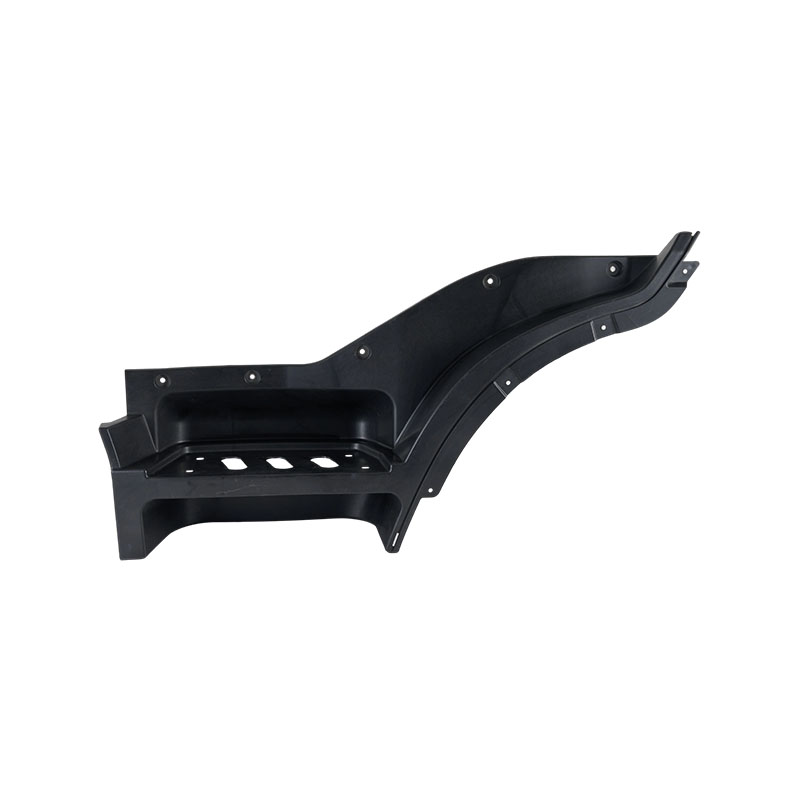
عربىAs global vehicle manufacturers continue to optimize production efficiency and part consistency, tooling quality has become a key topic among procurement teams and engineering departments. Recent industry discussions increasingly focus on reducing part defects, shortening development cycles, and improving dimensional accuracy for large exterior components. This trend is driving greater interest in solutions such as Plastic Injection Truck Fender Mould, particularly for manufacturers seeking reliable production of complex automotive plastic parts under demanding production conditions.
The Pressure to Improve Part Consistency
Truck fenders and exterior body panels must maintain stable dimensions throughout high-volume production runs. Even minor variations can create assembly challenges, affect appearance quality, and increase production costs.
Automotive buyers are actively searching for mold suppliers capable of delivering consistent cavity performance, balanced filling systems, and precise dimensional control. Modern mold design is no longer viewed simply as a tooling requirement; it is increasingly considered a strategic factor influencing overall manufacturing efficiency.
As vehicle platforms become more sophisticated, consistency has become a major purchasing criterion.
Why Large Plastic Components Present Unique Challenges
Producing large automotive parts is significantly more demanding than manufacturing smaller plastic components. Uneven cooling, material shrinkage, and warpage can all impact final product quality.
Engineering teams often focus on:
- Optimized cooling channel layouts
- Balanced material flow paths
- Structural rigidity of the mold base
- Efficient venting systems
- Stable cycle-time performance
These factors help improve repeatability while minimizing rework and production interruptions.
Faster Product Development Is Driving New Mold Requirements
Automotive OEMs are under constant pressure to launch new models more quickly. As development timelines become shorter, buyers expect mold suppliers to provide stronger engineering support from the earliest design stages.
Many procurement managers now look for partners that can assist with design optimization, manufacturability analysis, and tooling validation before production begins. Early collaboration often helps identify potential molding issues before they become costly production problems.
From our manufacturing experience, proactive engineering communication can significantly improve project efficiency and reduce later modifications.
Surface Quality Matters More Than Many Buyers Expect
Exterior automotive components are highly visible and directly influence vehicle appearance. As a result, surface finish requirements continue to become more demanding.
Modern buyers frequently evaluate mold suppliers based on their ability to achieve:
- Uniform surface texture
- Reduced weld line visibility
- Consistent gloss levels
- Precise edge definition
- Improved fit and finish
For commercial vehicles and passenger cars alike, appearance quality has become an important competitive factor.
Material Compatibility Is Becoming a Key Selection Factor
Automotive manufacturers increasingly use different plastic materials to achieve weight reduction and durability targets. Mold performance must remain stable across various resin types and processing conditions.
When evaluating tooling suppliers, buyers often ask whether the mold can accommodate changing material specifications without compromising part quality. This flexibility helps manufacturers adapt to evolving vehicle design requirements while maintaining production efficiency.
A well-engineered mold should support both performance and long-term production stability.
What Professional Buyers Look for in a Mold Partner
Today's sourcing decisions extend beyond price comparisons. Buyers want suppliers capable of supporting complete project requirements.
Common evaluation points include:
- Experience with automotive exterior components
- Mold lifespan and maintenance considerations
- Engineering support during development
- Production capacity for large projects
- Customization capability for specific vehicle platforms
- Quality control throughout manufacturing
These factors help buyers reduce risk and improve confidence throughout the supply chain.
Manufacturing Expertise Creates Long-Term Value
As a mold manufacturer, we understand that successful automotive tooling requires more than machining accuracy alone. Mold structure, cooling efficiency, material selection, and production experience must work together to deliver reliable results.
With growing demand for lightweight vehicle components and increasingly complex body designs, manufacturers need tooling solutions that support both current production goals and future platform development. Whether producing truck exterior parts or passenger vehicle body components, investing in a high-quality Plastic Injection Truck Fender Mould and Plastic Car Panel Mould can help improve production consistency, reduce operational challenges, and support long-term manufacturing success in an increasingly competitive automotive market.