English
 中文简体
中文简体 русский
 عربى
عربىGlobal automotive manufacturing is under increasing pressure as OEMs push for faster delivery cycles, tighter tolerances, and more stable mass production. At the same time, suppliers are dealing with fluctuating material costs, higher quality expectations, and more complex vehicle designs driven by EV platforms. Industry conversations across engineering communities show rising concerns about mold stability, cycle efficiency, and defect control in high-volume production. This is especially relevant for exterior components produced using Plastic Injection Truck Fender Mould, where structural precision and durability directly affect assembly efficiency and downstream vehicle performance.
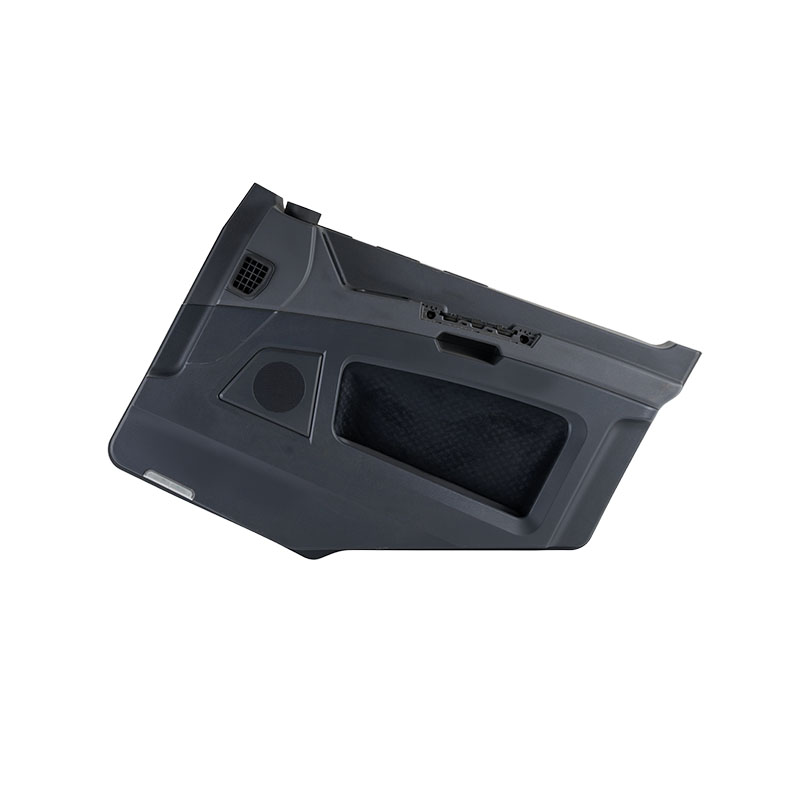
As supply chains become more competitive, buyers are shifting their focus from basic tooling procurement to long-term production stability and engineering support.
Why Production Delays Often Start at the Mold Level
Many manufacturers assume delays are caused by downstream assembly or logistics issues, but in reality, mold performance is often a hidden bottleneck.
Common mold-related issues include:
- Inconsistent cavity filling during high-speed injection
- Thermal imbalance causing part deformation
- Excessive wear in high-volume production cycles
- Poor venting leading to surface defects
- Longer-than-expected cooling times
These issues gradually reduce output efficiency and increase rework rates.
EV and Lightweight Design Are Increasing Mold Complexity
The rapid growth of electric vehicles and lightweight automotive structures has changed the geometry and performance requirements of plastic components.
Modern mold systems must now support:
- Thinner wall structures with higher strength requirements
- Complex aerodynamic surface designs
- Integration-ready panel geometries
- Multi-material compatibility
- Higher dimensional accuracy standards
This complexity makes tooling design far more critical than in traditional automotive manufacturing.
Cycle Time Reduction Is Now a Key Competitive Factor
In global procurement discussions, cycle time optimization is becoming one of the most important decision-making criteria. Even small improvements in production speed can significantly impact total output.
Manufacturers are focusing on:
- Faster cooling system design
- Optimized runner and gate placement
- Improved heat distribution control
- Reduced ejection resistance
- Stable multi-cavity performance
Efficient cycle time management directly translates into lower unit production costs.
Surface Defect Control Is Driving Engineering Upgrades
Surface quality requirements for automotive plastic parts are becoming stricter, especially for exterior panels where visibility is high. Even minor imperfections can lead to rejection during OEM inspection.
Common surface-related challenges include:
- Flow marks and weld lines
- Sink marks due to uneven cooling
- Air traps from insufficient venting
- Gloss inconsistency across cavities
- Shrinkage deformation after demolding
Modern mold engineering now places greater emphasis on precision venting design and flow simulation.
Maintenance Efficiency Is Becoming a Procurement Priority
Beyond production performance, buyers are increasingly concerned with how easily molds can be maintained and repaired over their lifecycle.
Key considerations include:
- Quick-change insert designs
- Wear-resistant cavity materials
- Accessible cooling channel cleaning
- Modular component replacement
- Reduced downtime during servicing
These factors are especially important for suppliers supporting continuous OEM production programs.
What Global Buyers Are Now Evaluating in Mold Suppliers
Procurement teams are no longer evaluating suppliers based only on tooling price or delivery time. Technical capability and long-term reliability are now equally important.
Key evaluation factors include:
- Mold flow analysis capability before production
- CNC machining precision and stability
- Quality inspection and validation processes
- Engineering support during trial runs
- Ability to handle design modifications quickly
Suppliers that provide strong technical collaboration are increasingly preferred in global sourcing decisions.
Future Mold Development Will Focus on Stability and Digital Engineering
The future of plastic injection mold manufacturing is moving toward smarter design validation, faster iteration cycles, and more stable long-term performance. Digital simulation tools, improved thermal systems, and advanced steel treatments are becoming standard expectations in high-end automotive production.
As global automotive platforms continue evolving, demand for high-precision tooling will remain strong. Manufacturers capable of delivering stable and efficient solutions such as Plastic Injection Truck Fender Mould and Plastic Car Panel Mould will continue to play a critical role in ensuring production consistency, reducing bottlenecks, and supporting the long-term competitiveness of automotive supply chains.