English
 中文简体
中文简体 русский
 عربى
عربىVehicle interiors are changing as automakers combine digital interfaces, premium surfaces, functional storage, ambient lighting, and more sustainable materials. Recent industry developments show that interior design is no longer focused only on appearance; material consistency, recyclability, dimensional stability, and production efficiency are becoming important engineering considerations as well. For buyers sourcing Auto Interior Trim Molding, the challenge is finding a molding solution that can support both design requirements and reliable series production.
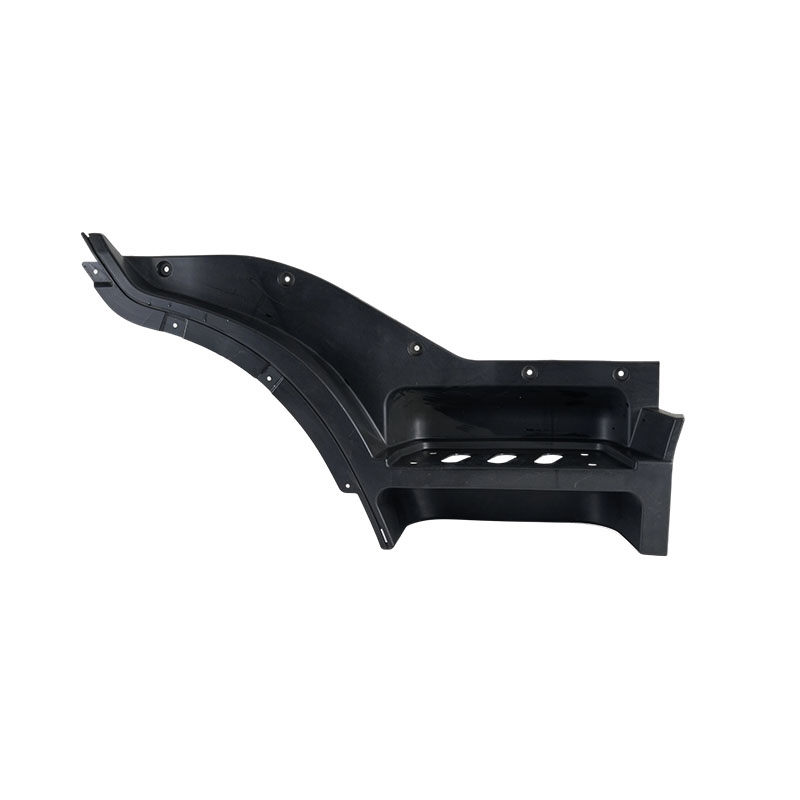
Design Freedom Starts With the Mold
Modern interior trim often contains complex curves, integrated clips, openings, ribs, and interfaces for other components. These details need to work together without creating unnecessary molding difficulties.
From a manufacturing perspective, mold design should be considered together with the intended material, wall thickness, part geometry, shrinkage behavior, and assembly method. Addressing these factors early can reduce dimensional problems and unnecessary mold modifications later in development.
Surface Quality Is More Than Appearance
Interior components are highly visible and frequently touched, making surface consistency particularly important. Small variations in texture, gloss, color, or molding marks can become noticeable after assembly.
For this reason, manufacturers need to control the relationship between tooling and processing conditions. Mold surface treatment, gate location, cooling design, and part ejection can all influence the final appearance. A well-developed tool should therefore support both functional performance and the visual requirements of the vehicle interior.
Recycled Materials Bring New Molding Considerations
Sustainability is becoming a more practical engineering issue for automotive interiors. The European Union's new End-of-Life Vehicles Regulation includes recycled-content requirements for new vehicles, including targets for recycled plastics from 2032 onward. At the same time, material suppliers are developing recycled PC/ABS and polypropylene solutions for interior applications.
For mold manufacturers, this means material selection cannot be treated as a separate purchasing decision. Recycled materials may have different processing characteristics, appearance requirements, or consistency considerations. Tooling development should account for the selected material rather than assuming that every grade will behave identically.
Dimensional Accuracy Supports Easier Assembly
Interior trim parts rarely work alone. They may connect with dashboards, door panels, consoles, pillars, decorative elements, electronic components, or fastening systems. Even a small dimensional deviation can make assembly more difficult when several components must align.
A practical molding development process should therefore pay attention to:
- Critical dimensions and tolerance requirements
- Warpage and shrinkage risks
- Clip and fastening locations
- Interfaces with neighboring components
- Inspection requirements during production
This approach helps shift quality control from simply checking finished parts to preventing recurring dimensional problems at the tooling stage.
Tooling Must Match Production Reality
A prototype may appear successful while still leaving questions about long-term production stability. For automotive buyers, mold life, maintenance access, cooling efficiency, replaceable components, and cycle consistency can all influence the overall value of a tooling project.
As a manufacturer, we consider these factors during mold development instead of treating the tooling process as purely a one-time machining task. The objective is to create molds that are practical for the production environment and easier to maintain when engineering changes or service requirements arise.
Cooperation Can Reduce Development Risk
Successful interior molding projects normally require communication between product designers, material suppliers, mold engineers, and production teams. A drawing alone may not reveal every potential molding issue.
Early technical discussion can help identify areas such as difficult parting lines, insufficient draft, complicated undercuts, uneven wall sections, or potential deformation before machining begins. For overseas buyers, this engineering communication is particularly valuable when the mold supplier is responsible for translating design intent into a production-ready tool.
Preparing Trim Molding for Future Vehicle Programs
The next generation of vehicle interiors is bringing together digital technology, tactile surfaces, sustainable materials, and increasingly integrated component designs. Industry coverage of 2026 vehicle interiors highlights both premium material use and the continued development of connected cabin experiences. For automotive procurement teams, selecting an Auto Interior Trim Molding manufacturer should therefore involve more than comparing quotations. Tooling engineering, material compatibility, dimensional control, surface quality, production practicality, and technical communication all deserve consideration before a project enters production.