English
 中文简体
中文简体 русский
 عربى
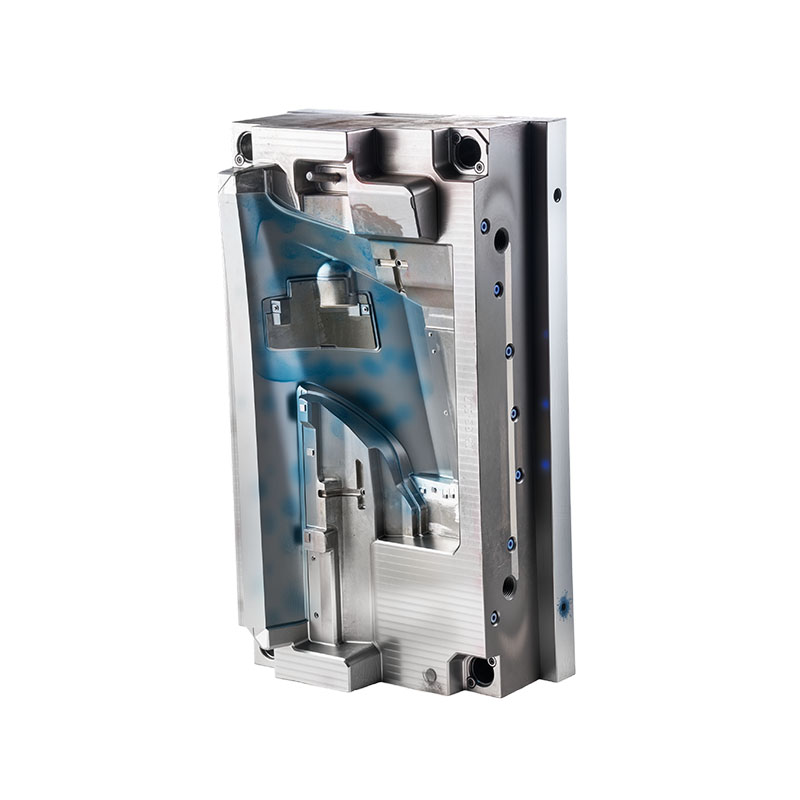
عربىAutomotive interior trim components must maintain their appearance and fit while exposed to changing temperatures, regular contact, vibration, and repeated vehicle use. A molding that fits correctly during initial assembly may still present challenges if its material or structure does not suit the operating environment. Gaps, deformation, loose connections, and unwanted noise can affect the perceived quality of the finished interior. For buyers sourcing Auto Interior Trim Molding, evaluating material stability and structural design early can help reduce avoidable development issues and support more consistent product performance.
Why Does Temperature Resistance Matter for Interior Trim?
Vehicle interiors can experience considerable temperature changes during daily use, particularly when a vehicle is parked outdoors or exposed to direct sunlight. Depending on the material and component design, these conditions may influence dimensional stability, stiffness, surface appearance, and the fit between adjacent parts.
Material selection should therefore reflect the component's expected operating environment. Buyers need to consider the location of the trim, its proximity to heat sources, its thickness, and the way it is attached to the surrounding structure.
Manufacturers should review these factors before finalizing the material specification. Testing representative samples under relevant temperature conditions can help identify potential changes before the design moves into larger-scale production.
How Can Dimensional Stability Affect Assembly?
Dimensional accuracy is important because automotive interior trim components rarely function in isolation. They must align with panels, clips, fasteners, and other decorative or structural elements.
If a molded part changes shape or falls outside its specified dimensions, assembly gaps may become uneven and connection points may no longer fit as intended. These problems can increase adjustment work and make finished interiors less consistent.
To reduce this risk, manufacturers should identify critical dimensions and establish suitable inspection methods. Particular attention should be given to mounting locations, long edges, curved profiles, and areas where several components meet. Controlling these details helps maintain a closer match between the approved sample and production parts.
What Can Cause Unwanted Noise Inside a Vehicle?
Rattling or squeaking can occur when components move against one another during driving. The cause may involve loose connections, insufficient clearance control, contact between dissimilar surfaces, or variation in component geometry.
Trim design should account for how parts fit together and how they may respond to vibration during normal vehicle operation. Clips and fasteners need to match the intended assembly, while contact areas should be reviewed for possible movement or friction.
A useful development process evaluates the trim in its assembled condition rather than relying only on an isolated component inspection. This helps engineers identify potential interference or unstable connections before the design is released for production.
Which Structural Details Deserve Closer Attention?
Small design features can influence both molding quality and finished-part performance. Thin sections, sharp transitions, ribs, mounting clips, and changes in wall thickness may affect material flow, shrinkage, stiffness, or deformation.
During design review, manufacturers should examine whether the component geometry supports reliable production and suitable mechanical performance. Where necessary, adjustments to wall thickness, reinforcement features, or mounting structures can be considered while preserving the intended appearance and fit.
The goal is not to make every component thicker or more rigid. Excess material may increase weight, affect molding behavior, or create other design constraints. The structure should instead be developed according to the component's specific function and installation conditions.
How Should Buyers Evaluate Material and Surface Quality?
A material may satisfy dimensional requirements but still fail to meet expectations for visible finish or everyday use. Surface texture, color, gloss, scratch resistance, and resistance to ordinary cleaning methods can all influence the suitability of an interior trim component.
Before approving a design, buyers should clarify the required appearance and identify the conditions the finished part is expected to withstand. Sample evaluation should include both visual inspection and checks relevant to the component's intended use.
Manufacturers can support this process by documenting the approved material and surface specification. A clear reference reduces ambiguity when comparing samples, reviewing production parts, or discussing changes to the design.
What Should Be Checked Before Mass Production?
A production-ready review should connect the drawing, material, assembly requirements, and inspection plan. This helps ensure that the approved design can be reproduced consistently.
Key checks include:
- Critical dimensions and mounting-point positions
- Material identification and specified properties
- Surface appearance and acceptable defect limits
- Fit with surrounding interior components
- Clip retention and fastener compatibility
- Potential interference or contact-related noise
- Inspection criteria for repeated production batches
Any design or material changes should be reviewed before implementation. Keeping the approved requirements current helps manufacturers and buyers work from the same technical reference.
Why Does Material Planning Matter to Long-Term Product Quality?
Material stability, structural design, and assembly accuracy are closely connected. A well-designed component can still encounter problems if the selected material does not suit its environment, while a suitable material cannot compensate for poor fitment or uncontrolled production variation.
For automotive engineers, distributors, and procurement teams, a capable Auto Interior Trim Molding manufacturer should be able to discuss these factors together and explain how they influence development and production. Clear requirements, appropriate sample evaluation, and consistent process controls provide a practical foundation for interior components that maintain their intended fit and appearance throughout normal vehicle use.