English
 中文简体
 русский
 عربى
Automotive interior components need to satisfy more than visual expectations. They must fit surrounding parts, maintain a consistent appearance, and withstand the conditions encountered during everyday vehicle use. When an interior trim component does not align properly with adjacent panels or differs from the approved sample, the result can be additional adjustment work, production delays, or unnecessary material waste. For buyers sourcing Auto Interior Trim Molding, coordinating design details with manufacturing requirements early in development can help reduce these risks and create a more predictable path from prototype to mass production.
Why Does Fitment Need to Be Considered Early?
Interior trim molding is often installed alongside multiple components, including dashboard panels, door trim, center consoles, and decorative inserts. Even when an individual part appears acceptable, dimensional differences at connection points can affect the fit of the complete assembly.
Design reviews should therefore cover mounting positions, edge profiles, clips, gaps, and the relationship between neighboring components. Engineers also need to consider how the trim will be installed and removed during assembly or servicing.
From a manufacturer's perspective, receiving complete drawings and clear assembly references makes it easier to identify potential conflicts before tooling and production begin. Resolving these details during development is generally more manageable than correcting them after a part has entered a larger production process.
Which Material Properties Matter for Interior Trim?
Material selection affects the molding process as well as the finished component's appearance and behavior. Depending on the application, buyers may need to consider rigidity, flexibility, impact resistance, dimensional stability, temperature exposure, and compatibility with the intended surface finish.
A material that works well for a rigid decorative insert may not be suitable for a flexible trim section or a component that must accommodate repeated movement. The selection should reflect the part's geometry, mounting method, and operating environment rather than being based on material cost alone.
Manufacturers can support this process by reviewing the part's functional requirements alongside its design. Clear material specifications also help ensure that development samples and subsequent production parts follow the same agreed requirements.
Can Surface Finish Affect the Perceived Quality of a Vehicle Interior?
Interior trim is highly visible to vehicle occupants, making surface appearance an important part of product evaluation. Color variation, uneven texture, visible molding marks, and differences in gloss can become noticeable when several components are installed next to one another.
Buyers should establish a clear appearance reference during sampling. This may include the approved color, texture, gloss level, visible grain direction, and acceptable surface condition. Evaluating samples under consistent lighting can also make comparisons more meaningful.
For manufacturers, appearance control needs to be considered throughout production rather than only during final inspection. Material preparation, mold condition, process settings, and handling can all influence the finished surface. A documented approval sample provides a useful reference for evaluating later batches.
How Can Mold Design Influence Production Consistency?
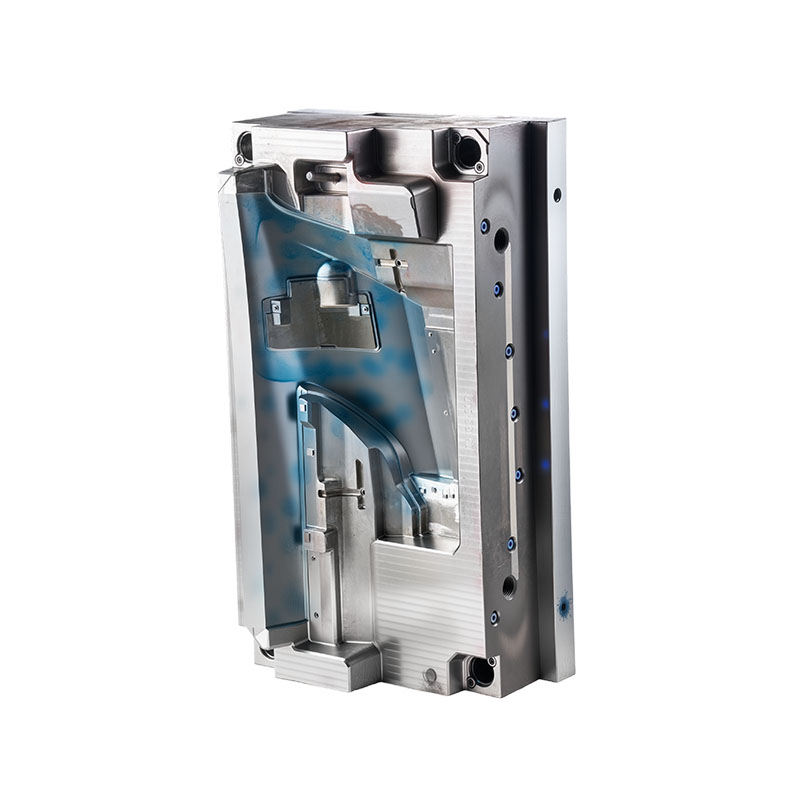
The shape of an automotive trim part can introduce manufacturing challenges, particularly when the component includes thin sections, complex curves, mounting features, or changes in wall thickness. These details may influence material flow, shrinkage, warpage, and dimensional stability.
A design review should examine whether the part geometry supports reliable molding and whether critical dimensions can be controlled during production. Depending on the component, adjustments to draft angles, wall thickness, ribs, or connection features may improve manufacturability without changing the intended appearance.
Early communication between the product designer and manufacturer helps identify these issues before tooling decisions become difficult to change. This is especially relevant for customized Auto Interior Trim Molding developed for a specific vehicle interior.
What Should Buyers Verify During Sample Approval?
A prototype should be evaluated against both design requirements and actual assembly conditions. Checking the part by itself may not reveal interference, installation difficulties, or visible gaps that appear only when it is fitted with surrounding components.
Before approving a sample, buyers should review:
- Key dimensions and mounting positions
- Fit with adjacent interior components
- Clip, fastener, and connection details
- Color, texture, gloss, and surface defects
- Installation sequence and removal requirements
- Material identification and agreed specifications
Any requested changes should be recorded clearly. A revised sample should then be checked against the updated requirements before the design is released for production.
How Can Manufacturers Keep Bulk Orders Consistent?
Once a sample is approved, the next challenge is maintaining the same requirements throughout repeated production. Changes in material batches, tooling condition, process settings, or handling can affect the final part if they are not properly controlled.
Manufacturers should establish a defined production reference that covers the approved drawing, material, surface finish, critical dimensions, and inspection criteria. Incoming material checks, in-process monitoring, and finished-part inspection can help identify deviations before they affect a larger quantity of products.
For buyers, agreeing on these controls before placing a bulk order makes expectations clearer and supports more efficient communication when a production issue needs to be investigated.
Why Does Early Collaboration Improve Interior Trim Projects?
A successful automotive trim project depends on the connection between design intent, material behavior, tooling, assembly, and appearance control. Treating these elements as separate decisions can leave important compatibility issues unresolved until later stages.
For procurement teams and automotive engineers, working closely with an Auto Interior Trim Molding manufacturer helps translate drawings and vehicle requirements into a production-ready component. Clear specifications, practical sample evaluation, and consistent manufacturing controls provide a stronger foundation for reliable fitment and repeatable quality across future orders.