English
 中文简体
 русский
 عربى
Automotive interior design must balance appearance, functionality, weight, and manufacturing requirements. As vehicle interiors incorporate different decorative panels, storage features, mounting structures, and integrated controls, the relationship between part design and production becomes increasingly important. A component that looks simple on a drawing may require complex tooling or create assembly difficulties once it enters production. For buyers sourcing Auto Interior Trim Molding, reviewing part geometry and manufacturing feasibility early can help reduce unnecessary complexity while preserving the intended interior design.
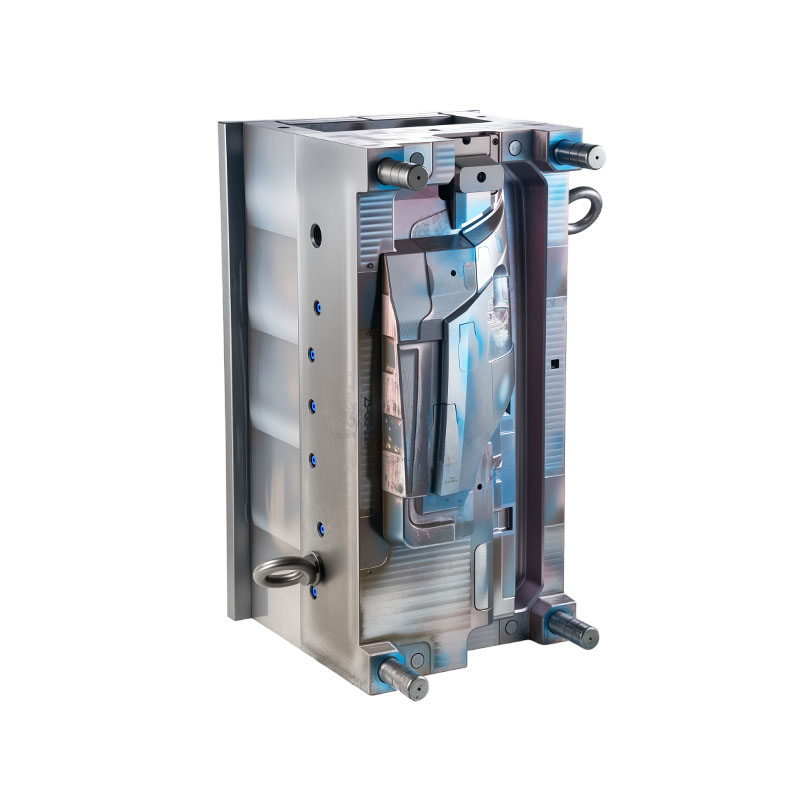
Why Does Part Geometry Matter Before Tooling?
The geometry of an interior trim component influences how material enters the mold, how the part cools, and how easily it can be removed after molding. Features such as deep recesses, narrow sections, sharp transitions, and complex curves may introduce additional manufacturing challenges.
Design reviews should consider draft angles, wall thickness, ribs, openings, and mounting features together. A design that is difficult to mold consistently may require tooling adjustments or additional inspection during production.
From a manufacturer's perspective, early engineering communication helps identify areas where the geometry could be simplified without compromising the part's function or appearance. Making these decisions before tooling is finalized can reduce the need for later modifications.
Can Component Integration Reduce Assembly Complexity?
Some interior designs use separate parts for decorative surfaces, mounting features, and supporting structures. In suitable applications, combining functions within a molded component may reduce the number of individual parts that need to be handled during assembly.
However, integration should be evaluated carefully. A more complex single component may require more demanding tooling, create repair difficulties, or limit flexibility when one feature changes.
Buyers should compare the complete production process rather than focusing only on part count. Relevant considerations include tooling complexity, installation sequence, fastening methods, service access, and the consequences of changing the design in the future.
How Can Material Use Be Optimized Without Weakening the Part?
Reducing unnecessary material can support weight-conscious interior design, but simply making every section thinner is not a reliable approach. Wall thickness, reinforcement ribs, mounting points, and local loading conditions all influence structural performance.
A well-planned molding design distributes material according to the function of each area. Sections that support clips or fastening points may need different structural treatment from broad decorative surfaces.
Manufacturers should review these requirements before confirming the mold design. Where appropriate, design adjustments and prototype evaluation can help determine whether material use can be improved while maintaining the required fit, rigidity, and surface quality.
What Should Buyers Know About Tooling and Customization?
Custom automotive trim projects often begin with drawings, reference samples, or specific requirements for appearance and installation. Before tooling starts, buyers should confirm which dimensions and visual details are fixed and which can be adjusted during engineering review.
Important points include:
- Overall dimensions and connection locations
- Required surface texture, color, and gloss
- Clip positions and fastening arrangements
- Material selection and molding requirements
- Acceptable dimensional and appearance tolerances
- Expected production volume and potential design revisions
Clear documentation gives the manufacturer a consistent basis for assessing tooling feasibility and estimating the work required to develop the component.
Why Should Prototype Evaluation Include Assembly Trials?
A molded sample can appear correct when inspected on its own but still create problems during installation. Tight clearances, difficult clip engagement, interference with adjacent panels, or an awkward assembly sequence may only become apparent when the part is fitted into the intended interior structure.
Prototype evaluation should therefore include both dimensional checks and practical assembly trials. Engineers should observe how the component is positioned, secured, and removed where service access is required.
Recording these findings helps separate design issues from manufacturing issues. It also gives the manufacturer specific feedback for adjusting the mold or part geometry before production approval.
How Can Production Controls Preserve the Approved Design?
Once tooling and samples are approved, the next challenge is reproducing the intended component across production runs. Changes in material condition, process settings, tooling wear, or handling can influence dimensions and appearance.
Manufacturers should establish a production reference covering the approved drawing, material specification, surface requirements, and critical inspection points. In-process checks can help identify deviations before they affect a larger batch, while final inspection confirms that finished parts meet the agreed requirements.
When a design is revised, the changes should be documented and reviewed before being introduced into production. This helps prevent different versions of the same component from being mixed during assembly or replenishment orders.
What Makes a Molding Project Easier to Manufacture?
Successful interior trim development requires a balance between design intent and production practicality. Part integration, material distribution, tooling feasibility, and assembly access should be considered together rather than treated as separate decisions.
For procurement teams and automotive engineers, working with an Auto Interior Trim Molding manufacturer early in the development process can help reveal production challenges before they become costly changes. Clear drawings, practical prototype trials, and defined quality requirements provide a stronger foundation for customized components that are easier to manufacture and integrate into the finished vehicle interior.