English
 中文简体
中文简体 русский
 عربى
عربىIntroduction
The global automotive industry is undergoing rapid transformation driven by advanced engineering, lightweight materials, and precision manufacturing technologies. At the core of this evolution is Automotive Parts Production, which plays a critical role in shaping vehicle performance, safety, and design efficiency. From exterior lighting systems to interior decorative components, every detail relies on highly engineered processes and specialized tooling.
This article explores key aspects of modern automotive manufacturing, including Automotive Parts Production, the structure and functionality of Parts Of A Car Light, and the importance of Car Interior Moulding in vehicle design. It also analyzes real-world applications, technical distinctions, and industry trends.
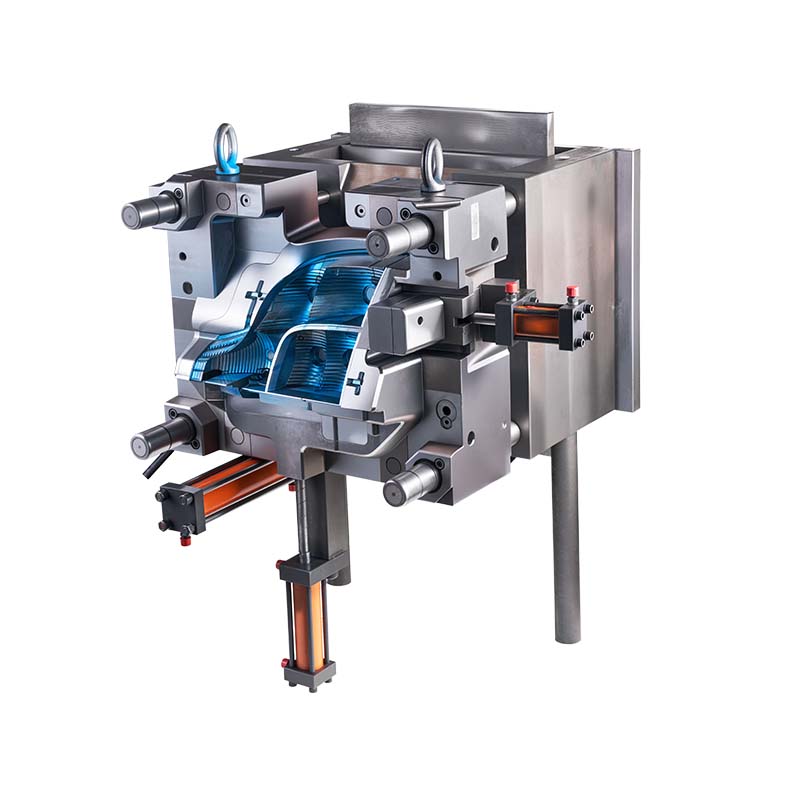
1. What is Automotive Parts Production?
Definition
Automotive Parts Production refers to the industrial process of designing, engineering, and manufacturing components used in vehicles. These parts include structural elements, mechanical systems, electrical components, lighting systems, and interior/exterior trims.
Modern automotive manufacturing relies heavily on precision tooling, injection moulding, die casting, and CNC machining to ensure high accuracy and durability.
Explanation
In today’s automotive supply chain, Automotive Parts Production is no longer limited to mass production. Instead, it integrates automation, CAD/CAM design systems, and smart manufacturing technologies. Manufacturers must ensure:
- High dimensional accuracy
- Material durability under extreme conditions
- Cost efficiency in mass production
- Compliance with global automotive standards
Common materials used include ABS plastic, polycarbonate, aluminum alloy, and composite polymers.
Industry Importance
The efficiency of Automotive Parts Production directly impacts:
- Vehicle safety performance
- Fuel efficiency (through lightweight design)
- Aesthetic quality
- Production cost control
As electric vehicles grow in popularity, demand for lightweight and precision-engineered components continues to rise.
2. Understanding Parts Of A Car Light
Definition
Parts Of A Car Light refers to the individual components that make up automotive lighting systems, including headlights, taillights, fog lights, and interior lighting assemblies.
Each lighting system is composed of multiple engineered parts such as:
- Lens cover
- Reflector
- Housing body
- LED or halogen light source
- Heat dissipation structure
- Wiring and connectors
Explanation
Modern automotive lighting is no longer a simple illumination system. It is a complex integration of optical engineering and electronic control systems. In Automotive Parts Production, lighting components require extremely high precision because even minor defects can affect visibility and safety.
For example:
- The lens must ensure uniform light distribution
- The reflector enhances brightness efficiency
- The housing protects internal components from vibration and moisture
LED technology has significantly changed the structure of Parts Of A Car Light, making them smaller, more energy-efficient, and longer-lasting.
Application Scenarios
Parts Of A Car Light are widely used in:
- Passenger vehicles (sedans, SUVs, trucks)
- Electric vehicles with adaptive lighting systems
- Luxury cars with dynamic lighting design
- Off-road vehicles requiring high-intensity illumination
In modern Automotive Parts Production, lighting systems are often customized for different vehicle models to match branding and performance requirements.
3. What is Car Interior Moulding?
Definition
Car Interior Moulding refers to the decorative and functional plastic components inside a vehicle’s cabin. These parts are typically manufactured using injection moulding processes and include dashboard trims, door panels, console covers, and pillar trims.
Explanation
In Automotive Parts Production, Car Interior Moulding plays a vital role in improving both aesthetics and user experience. These components are designed not only for appearance but also for functionality, durability, and safety.
Key characteristics include:
- Smooth surface finish
- Scratch and UV resistance
- Lightweight structure
- High dimensional consistency
Materials commonly used include ABS, PVC, PP, and soft-touch TPE materials.
Design Importance
Modern consumers expect a premium interior feel, even in mid-range vehicles. As a result, Car Interior Moulding has become a key differentiator in automotive design.
Manufacturers focus on:
- Seamless integration with electronic systems
- Ergonomic design
- Color and texture customization
- Noise reduction performance
4. Comparison: Exterior vs Interior Automotive Components
Understanding the relationship between Parts Of A Car Light and Car Interior Moulding helps illustrate how Automotive Parts Production serves different functional domains.
Functional Differences
- Parts Of A Car Light focus on visibility, safety, and road communication
- Car Interior Moulding focuses on comfort, aesthetics, and user interaction
Manufacturing Requirements
- Lighting components require optical precision and heat resistance
- Interior moulding requires surface quality and tactile refinement
Material Differences
- Lighting parts often use polycarbonate and reflective coatings
- Interior moulding uses thermoplastics with decorative finishes
Performance Expectations
- Lighting systems must perform under harsh environmental conditions
- Interior moulding must maintain appearance over long-term usage
Despite differences, both rely heavily on advanced Automotive Parts Production techniques such as injection moulding and precision tooling.
5. Role of Automotive Parts Production in Modern Vehicle Engineering
Technological Integration
Modern Automotive Parts Production is driven by:
- Automation and robotics
- 3D CAD modeling
- AI-assisted quality inspection
- Smart manufacturing systems
These technologies ensure consistent quality across large-scale production.
Customization Trends
Automakers now demand highly customized components, especially for:
- Electric vehicles (EVs)
- Luxury vehicle segments
- Concept cars and limited editions
Both Parts Of A Car Light and Car Interior Moulding are increasingly customized for branding and user experience.
Sustainability Factor
Sustainable manufacturing is becoming a major focus in Automotive Parts Production:
- Recyclable plastics
- Energy-efficient production lines
- Reduced material waste
- Lightweight design for fuel efficiency
6. Market Applications and Industry Use Cases
Automotive Lighting Systems
In modern vehicle design, Parts Of A Car Light are integrated with:
- Adaptive driving beams
- Smart sensor systems
- Daytime running lights (DRL)
- Matrix LED systems
These technologies improve safety and driving comfort.
Interior Automotive Design
Car Interior Moulding is widely used in:
Dashboard architecture
Door panel styling
Center console assemblies
Luxury trim enhancements
Manufacturers focus on premium finishes such as wood grain, carbon fiber texture, and matte coatings.
Global Manufacturing Demand
The demand for high-quality Automotive Parts Production continues to grow in:
North America
Europe
Asia-Pacific automotive hubs
OEMs and aftermarket suppliers both rely heavily on precision manufacturing.
7. Future Trends in Automotive Parts Production
The future of Automotive Parts Production is shaped by several key trends:
Electrification
Electric vehicles require:
- Lightweight components
- High-efficiency lighting systems
- Advanced interior integration
Smart Manufacturing
Factories are adopting:
- AI-driven defect detection
- Digital twin simulation
- Fully automated production lines
Design Innovation
Both Parts Of A Car Light and Car Interior Moulding are evolving toward:
- Minimalist design
- Integrated smart features
- Enhanced user interaction
Automotive Parts Production is the backbone of the global automotive industry, supporting innovation across lighting systems, interior design, and structural components. Understanding Parts Of A Car Light helps highlight the importance of safety and optical engineering, while Car Interior Moulding demonstrates the growing demand for comfort and aesthetic refinement.
As the automotive industry continues to evolve, manufacturers that invest in precision engineering, advanced materials, and smart production technologies will remain competitive in a rapidly changing global market.
In addition, global OEM suppliers are increasingly collaborating with specialized tooling manufacturers to improve efficiency in Automotive Parts Production. Advanced mold engineering ensures higher precision in both Parts Of A Car Light and Car Interior Moulding, reducing assembly errors and improving product consistency. This integration of design and manufacturing is becoming a key competitive advantage in the automotive supply chain worldwide, especially for high-performance and electric vehicle segments.